

 Istanbul
Chora Church (Kariye Mosque)
The Chora Church holds the finest late Byzantine mosaics and frescoes in the world, made around 1315-1321. It reopened as the Kariye Mosque in 2024, and foreign visitors now pay €20 to see the narthexes and the side chapel.
Tours that visit Chora Church
Best of Istanbul Private Tour, 1-3 Days with Professional Guide
A licensed private guide for 1, 2 or 3 days in Istanbul: the Old City, the Bosphorus and the Golden Horn, planned around your interests.
Best of Turkey Private Tour, 12 Days with Hotels
Twelve private days through Istanbul, Cappadocia, Hattusa, Ankara, Ephesus and Pamukkale, with expert guides and every transfer arranged.
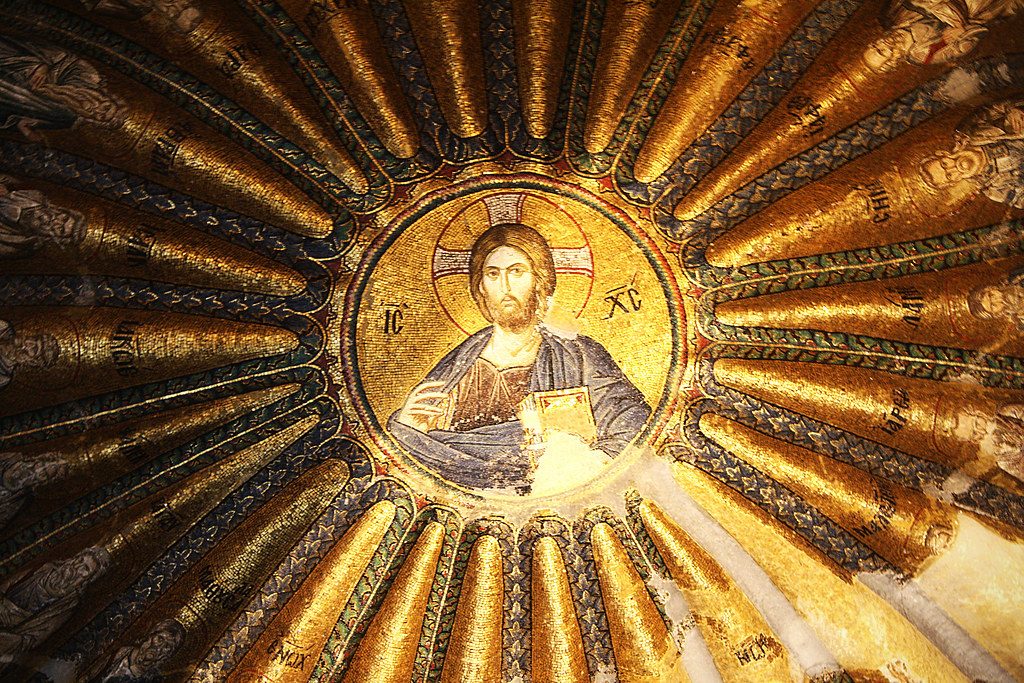
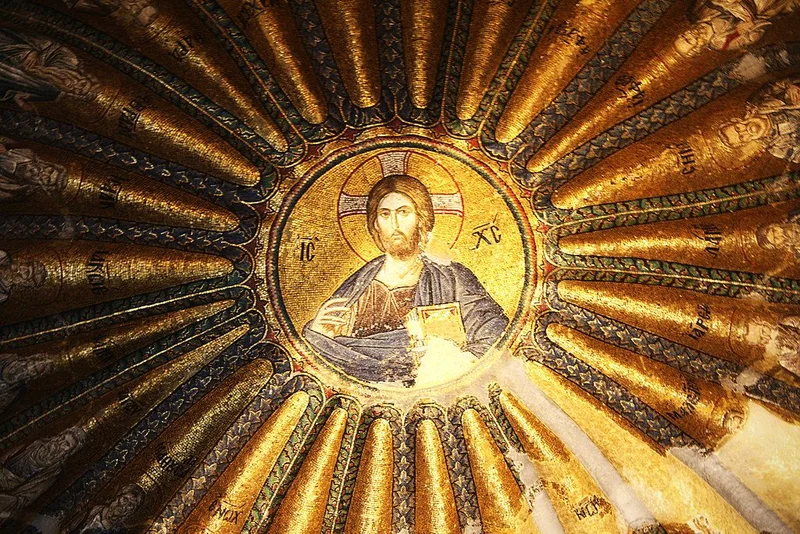
The Chora is about six kilometres from Sultanahmet, and that distance keeps the crowds down. Inside a small brick church near the old land walls are the best-preserved late Byzantine mosaics anywhere: gold-ground scenes of the lives of Christ and the Virgin, made around 1315-1321, and a side chapel painted with a fresco of the Resurrection that art historians travel across the world to see. Since May 2024 the building has been a working mosque, and tourists pay €20 to enter.
Quick facts
| Item | Details |
|---|---|
| Opening hours | About 09:00-18:00, paused around each prayer (as of October 2026) |
| Closed | Fridays are closed to tourist visits for the whole day |
| Ticket for foreign visitors | €20; children aged 8 and under free (as of October 2026). The Museum Pass is not valid |
| Time needed | 45-60 minutes |
| Location | Kariye Camii Sokak, Edirnekapi, Fatih. Taxi from Sultanahmet takes 20-30 minutes; bus or tram to Edirnekapi and a short walk |
| Dress code | Mosque dress code: shoulders and knees covered, women cover their hair |
A short history
A monastery stood here outside the city walls in the 5th century; chora means countryside. The church you see was rebuilt several times, and its present decoration was paid for by Theodore Metochites, a senior official and scholar of Emperor Andronikos II, in the early 14th century. You can see him kneeling in a mosaic above the entrance to the nave, offering the church to Christ. After the Ottoman conquest the building became a mosque in the early 16th century. The Republic turned it into a museum in 1945, and American restorers uncovered the mosaics in the 1950s. It closed for restoration in 2020 and reopened as a mosque in May 2024, with a paid visitor route.
What you can see now
The visitor route covers the two narthexes, the entrance halls, and the parekklesion, the burial chapel on the south side. The central prayer hall is used for worship, and its mosaics are partly screened.
- The outer narthex: the life of Christ, from the journey to Bethlehem to his miracles.
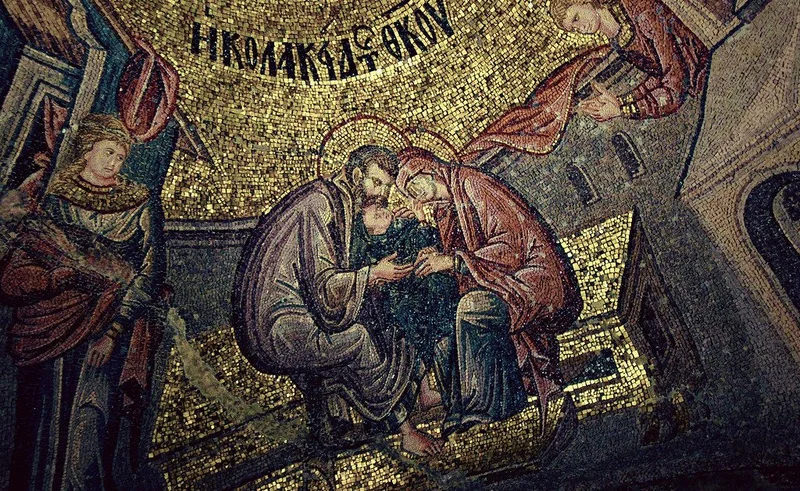
- The inner narthex: the life of the Virgin, based on the apocryphal Gospel of James. Look for Joachim and Anna embracing, and the first seven steps of the infant Mary.
- The two domes of the inner narthex, with Christ and the Virgin surrounded by their ancestors in radiating rows.
- The Metochites mosaic above the door into the nave.
- The Anastasis fresco in the apse of the parekklesion: Christ breaking the gates of hell and pulling Adam and Eve from their tombs. It is one of the great images of Byzantine art.
Best time to visit
Weekday mornings are best. Avoid Fridays completely, as tourist visits are not possible. Because the building is small, a single tour group can fill the inner narthex; if one arrives, step into the parekklesion and come back.
The Chora rarely appears on half-day tours because it is out of the way. Our Best of Istanbul: 1, 2 or 3-Day Private Guided Istanbul Tour usually places it on the day that covers the land walls, Balat and Fener, and the 6 Days Private Turkey Tour; Istanbul & Cappadocia includes it in the Istanbul days.
Tips
- Bring binoculars or use your phone's zoom; many of the finest mosaics are high in the vaults.
- Flash is not allowed and would not help anyway. Hold still in the low light.
- The streets around the church have wooden Ottoman houses and a few small cafés, useful for a tea while you wait out a prayer break.
- Combine the visit with the Theodosian Land Walls at Edirnekapi and a walk downhill to Balat and Fener.
- A taxi back to Sultanahmet costs more at rush hour; the traffic around the walls is slow from 16:30.
More Istanbul sights beyond Sultanahmet are on our Istanbul destination page.
Frequently Asked Questions
Is the Chora Church open to visitors?
Yes. It reopened as the Kariye Mosque in May 2024 and foreign visitors can enter with a €20 ticket outside prayer times. It is closed to tourists on Fridays.
Can you still see the mosaics in the Chora Church?
Yes. The mosaics in both narthexes and the frescoes in the side chapel are open to visitors. Some images in the central prayer hall are screened because that space is used for worship.
How much does it cost to visit the Chora Church?
Foreign visitors pay €20 as of October 2026. Children aged 8 and under enter free, and the Museum Pass is not accepted.
How do I get to the Chora Church from Sultanahmet?
A taxi takes 20 to 30 minutes depending on traffic. Public transport means a tram and bus connection to Edirnekapi, then a short walk.
Why is it called Kariye?
Kariye is the Turkish form of the Greek chora, meaning countryside, because the first monastery stood outside the early city walls.
More places to see in Istanbul
- Balat and Fener (Fener and Balat)
- Basilica Cistern (Yerebatan)
- Beylerbeyi Palace
- Blue Mosque (Sultanahmet Mosque)
- Bosphorus Strait (Bosphorus Cruise)
- Camlica Hill and Camlica Mosque
- Dolmabahce Palace
- Emirgan Park
- Fatih Mosque
- Fener Greek Orthodox Patriarchate (Aya Yorgi)
- Galata Bridge and Eminonu
- Galata Tower
- Grand Bazaar (Kapalıçarşı)
- Hagia Irene (Aya Irini)
- Hagia Sophia (Ayasofya)
- Hippodrome of Constantinople (Hippodrome Square)
- Istanbul Archaeology Museums
- Istanbul Modern
- Istiklal Avenue and Taksim (Istiklal Street)
- Kadikoy and Moda
- Little Hagia Sophia (Kucuk Ayasofya)
- Maiden's Tower (Kız Kulesi)
- Miniaturk
- Nuruosmaniye Mosque
- Ortakoy Mosque (Buyuk Mecidiye Mosque)
- Pera Museum
- Pierre Loti Hill and Eyup Sultan Mosque
- Princes' Islands (Adalar)
- Rumeli Fortress (Rumelihisarı)
- Rustem Pasha Mosque
- Spice Bazaar (Egyptian Bazaar)
- Suleymaniye Mosque
- Sultanahmet Square
- Topkapi Palace
- Turkish-Islamic Arts Museum (Ibrahim Pasha Palace)
- Yildiz Palace and Yildiz Park