

 Istanbul
Turkish-Islamic Arts Museum (Ibrahim Pasha Palace)
The Museum of Turkish and Islamic Arts fills Ibrahim Pasha Palace on the Hippodrome in Sultanahmet, with one of the world's finest collections of early Turkish carpets. Entry costs €17 for foreign visitors in 2026, and it is open every day from 09:00 to 18:30.
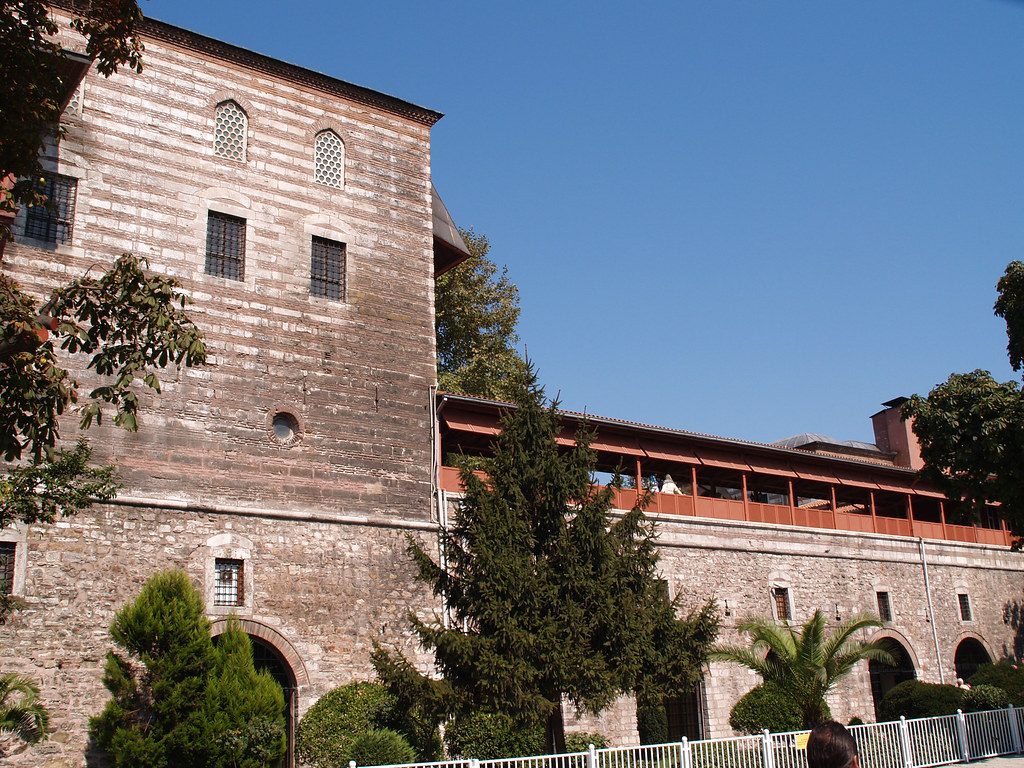
Right across the Hippodrome from the Blue Mosque, in a long stone palace most visitors walk past, is one of the best museums in Istanbul. The Museum of Turkish and Islamic Arts holds carpets that art historians travel from abroad to see, alongside manuscripts, woodwork, metalwork and a hall of nomadic life. Entry costs €17 for foreign visitors in 2026. It is rarely crowded, even when the Blue Mosque queue stretches across the square.
Quick facts
| Item | Details |
|---|---|
| Opening hours | 09:00-18:30, ticket office closes at 17:30 (as of October 2026, muze.gov.tr) |
| Closed | Open every day |
| Ticket for foreign visitors | €17; the Museum Pass Istanbul is valid (as of October 2026) |
| Time needed | 1.5-2 hours |
| Location | At Meydani Sokak, on the west side of the Hippodrome, Sultanahmet. Tram T1 Sultanahmet |
| Dress code | None |
A short history
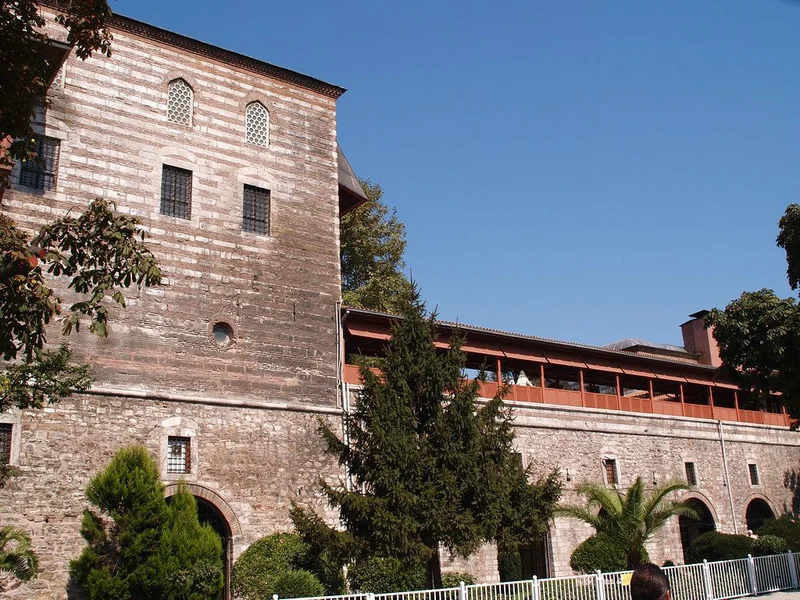
The building is the palace of Ibrahim Pasha, the boyhood friend of Suleiman the Magnificent who rose to become his grand vizier. It was built in the 1520s around a large courtyard facing the Hippodrome, and it was one of the grandest private homes in the city. Ibrahim's power ended suddenly: he was executed on the sultan's orders in 1536, and the palace passed to the state. Over the following centuries it served as barracks, offices and even a prison, and parts of it were lost.
The museum itself was founded in 1914 in the soup kitchen of the Suleymaniye complex, one of the first museums in the Ottoman world devoted to Islamic art. After a long restoration of the palace, the collection moved here in 1983.
What to see
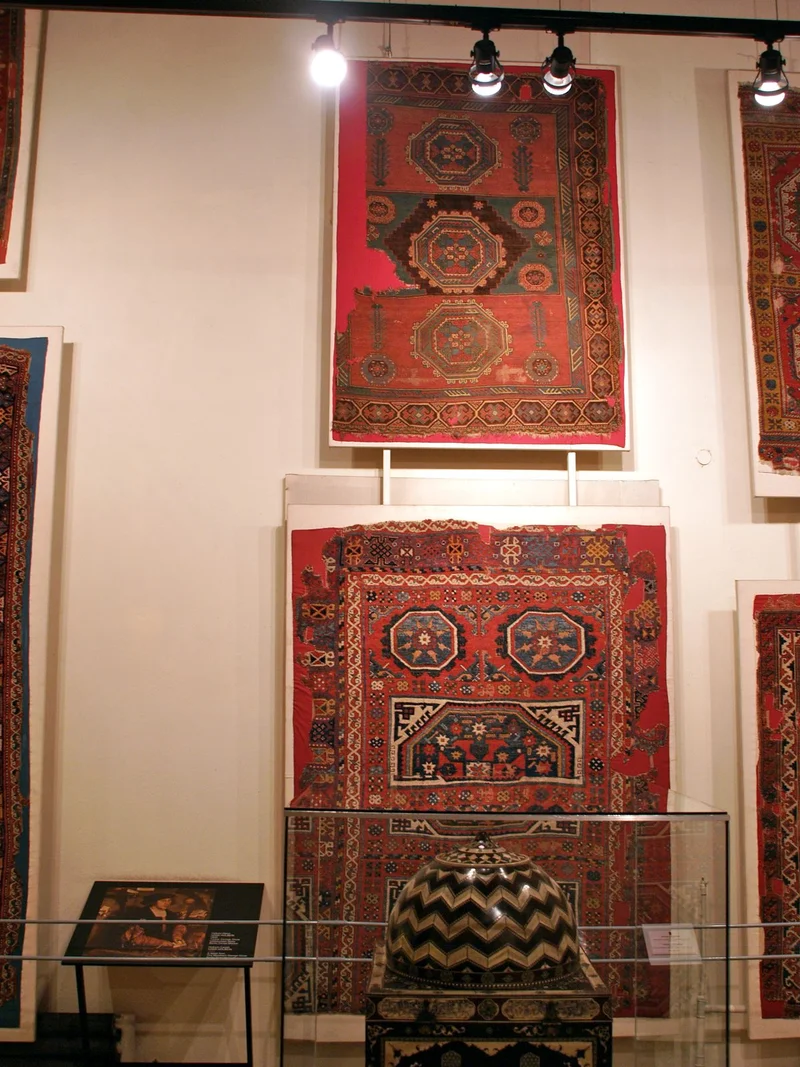
- The carpets. The highlight. The collection includes Seljuk carpets from the 13th century, among the oldest surviving Turkish carpets, and the patterns later made famous in the paintings of Holbein and Lotto. The great hall, where the vizier received visitors, is hung with huge Ottoman palace and mosque carpets.
- Manuscripts and calligraphy. Quran manuscripts from across the Islamic world, some centuries old, with gold illumination and fine bindings.
- Wood, stone and metal. Carved doors, lecterns, candlesticks and ceramics from the Seljuk and Ottoman periods.
- The ethnography section. On the lower floor, a black goat-hair nomad tent, a village house interior and displays on weaving and dyeing show how the carpets were made.
- The courtyard and café. A quiet terrace with a view of the Hippodrome and the Blue Mosque's minarets.
How to read a Turkish carpet
A few pointers help in the carpet halls. Look closely at the weave: early village carpets have fewer, larger knots and bold geometric shapes, while court carpets have fine knots and flowing floral designs. Study the borders, which often carry the oldest motifs. Notice the colours: madder red, indigo blue and yellow from weld were the main natural dyes, and their slightly uneven tones are a sign of age. Prayer rugs have a niche shape at one end that points towards Mecca when laid out.
Best time to visit
Any time is fine; it is one of the calmest museums in Sultanahmet. The best plan is to come in the late morning, when the queues at Hagia Sophia and the Blue Mosque are longest, or in the late afternoon when the light in the carpet hall is soft. It takes one and a half to two hours to see well.
None of our tours goes inside the museum, but several stop at the Hippodrome right in front of it. The Private Istanbul Heritage Tour: Ottoman & Byzantine Highlights spends a private day at the main Old City sights, from US$200, and a private guide can add the museum on request. The Istanbul Full-Day Old City Tour, Tickets & Lunch and the Hagia Sophia, Blue Mosque & Grand Bazaar Group Tour both start at the Hippodrome.
Tips
- Pick up the audio guide; the labels are brief and the carpets make much more sense with some background.
- Photography without flash is allowed in most rooms.
- The museum is a good place to learn about carpets before you visit the Grand Bazaar. You will recognise the patterns and the quality.
- Some stairs are steep; ask staff about access if you have limited mobility.
More sights around the Hippodrome are on our Istanbul destination page.
Frequently Asked Questions
How much is the Turkish and Islamic Arts Museum ticket?
It costs €17 for foreign visitors as of October 2026, paid in Turkish lira at the day's rate. The Museum Pass Istanbul is valid.
What are the opening hours of the Turkish and Islamic Arts Museum?
It is open every day from 09:00 to 18:30, and the ticket office closes at 17:30.
Is the Turkish and Islamic Arts Museum worth it?
Yes, particularly for anyone interested in carpets, calligraphy or Ottoman history. It is also much quieter than the big sights around it.
Where is the Museum of Turkish and Islamic Arts?
On the west side of the Hippodrome in Sultanahmet, facing the Blue Mosque, in the 16th-century palace of Ibrahim Pasha.
How long do you need at the museum?
Plan on one and a half to two hours to see the carpets, manuscripts and ethnography section without rushing.
More places to see in Istanbul
- Balat and Fener (Fener and Balat)
- Basilica Cistern (Yerebatan)
- Beylerbeyi Palace
- Blue Mosque (Sultanahmet Mosque)
- Bosphorus Strait (Bosphorus Cruise)
- Camlica Hill and Camlica Mosque
- Chora Church (Kariye Mosque)
- Dolmabahce Palace
- Emirgan Park
- Fatih Mosque
- Fener Greek Orthodox Patriarchate (Aya Yorgi)
- Galata Bridge and Eminonu
- Galata Tower
- Grand Bazaar (Kapalıçarşı)
- Hagia Irene (Aya Irini)
- Hagia Sophia (Ayasofya)
- Hippodrome of Constantinople (Hippodrome Square)
- Istanbul Archaeology Museums
- Istanbul Modern
- Istiklal Avenue and Taksim (Istiklal Street)
- Kadikoy and Moda
- Little Hagia Sophia (Kucuk Ayasofya)
- Maiden's Tower (Kız Kulesi)
- Miniaturk
- Nuruosmaniye Mosque
- Ortakoy Mosque (Buyuk Mecidiye Mosque)
- Pera Museum
- Pierre Loti Hill and Eyup Sultan Mosque
- Princes' Islands (Adalar)
- Rumeli Fortress (Rumelihisarı)
- Rustem Pasha Mosque
- Spice Bazaar (Egyptian Bazaar)
- Suleymaniye Mosque
- Sultanahmet Square
- Topkapi Palace
- Yildiz Palace and Yildiz Park