

 Istanbul
Rumeli Fortress (Rumelihisarı)
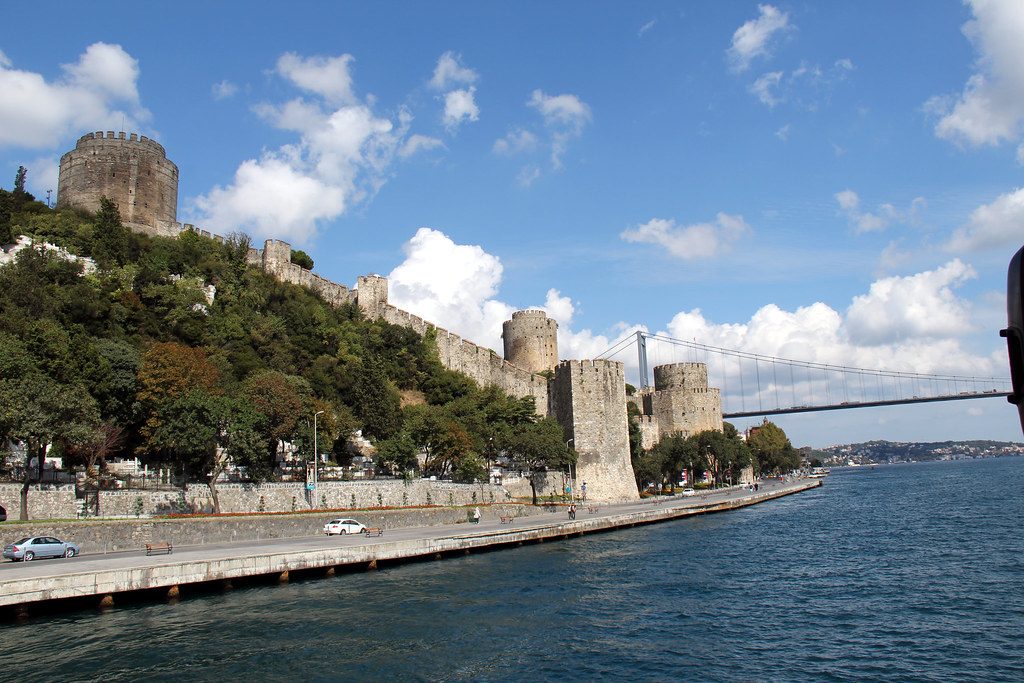
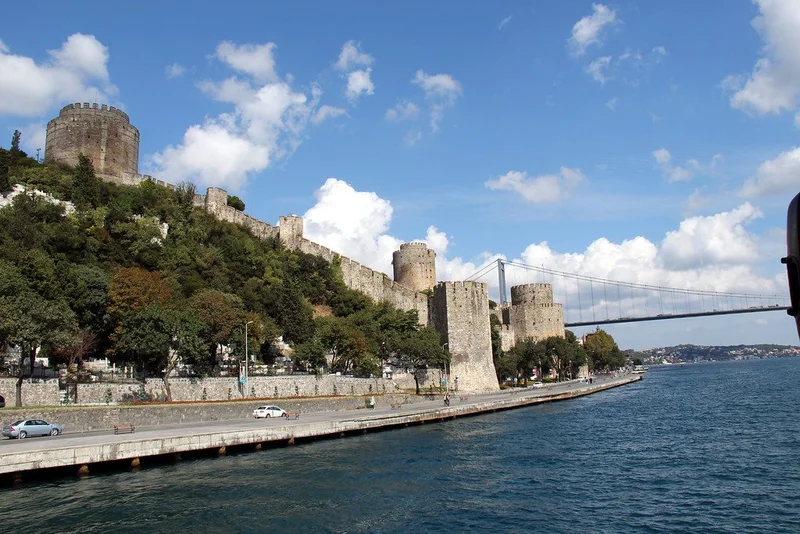
Rumeli Fortress is the castle Mehmed II built on the European shore of the Bosphorus in 1452, in about four months, to cut off Constantinople before the siege. It is now a museum with towers and walls you can climb, and a view over the narrowest part of the strait.
Tours that visit Rumeli Fortress
Bosphorus Private Yacht Tour, Istanbul: Up to 12 Guests
Your own luxury yacht on the Bosphorus for up to 12 people, with captain, crew and soft drinks included: $299 per hour, minimum 2 hours.
2-Hour Private Bosphorus Yacht Cruise for Your Group
Two hours on a private luxury yacht along the Bosphorus, with snacks on board and a professional guide telling the story of the city.
Mehmed II was 20 years old when he ordered Rumeli Fortress built in the spring of 1452. Work began in April and was finished by the end of August, in about four months. Across the water stood the older Anatolian Fortress. Together the two castles controlled the narrowest stretch of the Bosphorus, about 660 metres wide, and cut Constantinople off from Black Sea grain the year before the city fell.
Quick facts
| Item | Details |
|---|---|
| Opening hours | 09:00-18:00, ticket office closes at 17:00 (as of October 2026, muze.gov.tr) |
| Closed | Mondays |
| Ticket for foreign visitors | About €6; children under 12 free; the Museum Pass is valid (as of October 2026) |
| Time needed | 1-1.5 hours |
| Location | Yahya Kemal Caddesi, Rumelihisari, Sariyer. Bus along the shore road from Kabatas or Besiktas, or a taxi; the Bosphorus ferries also stop at nearby piers |
| Dress code | None; wear shoes with grip for the steep paths |
A short history
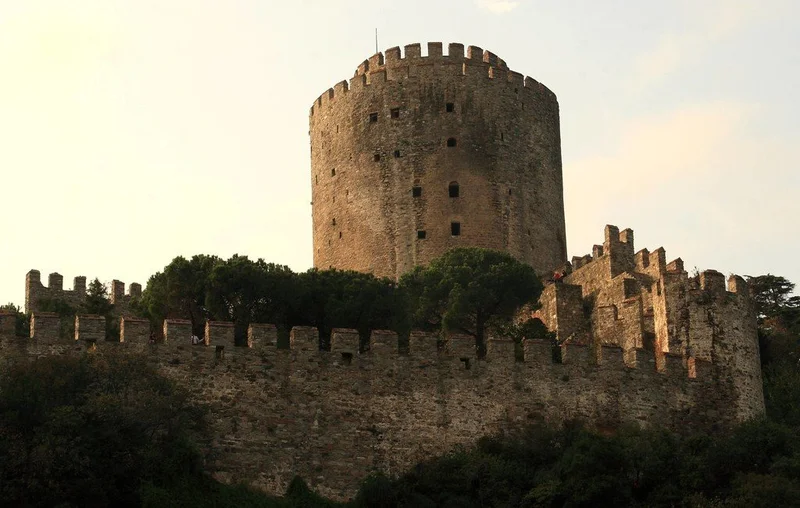
The Ottomans called it Bogazkesen, the throat-cutter, a pun on the Turkish word for strait. Mehmed divided the work between himself and three of his viziers, and each vizier built one of the great towers, which still carry their names: Saruca Pasha, Halil Pasha and Zaganos Pasha. Cannon on the shore sank a Venetian ship that tried to pass without paying in November 1452. After the conquest in 1453 the fortress lost its military role and served as a customs post and a prison. The Turkish Republic restored it in the 1950s, and it became a museum.
What to see
- The three main towers, which you can see from the paths inside the walls; access to the upper levels depends on restoration work, so ask at the gate.
- The curtain walls and wall walks, with stairs that are steep and often uneven, some without handrails.
- The inner grounds, planted with trees and used in summer for concerts in the open-air theatre.
- Cannon and cannonballs displayed near the entrance, including balls of the size used during the siege.
- The view of the Fatih Sultan Mehmet Bridge, built in 1988 almost on top of the old crossing point, and of the Anatolian Fortress directly opposite.
Best time to visit
Weekday mornings and late afternoons. In summer the walls are hot and exposed, so avoid midday. Spring is the best season, when the Judas trees on the Bosphorus hills turn pink. Check the museum's announcements before you go: parts of the walls may be closed for restoration or for events, and the fortress is closed on Mondays.
From the water you understand the fortress best, because you see how it runs down the hill to the shore. Our 2-Hour Private Bosphorus Yacht Cruise turns near the fortress and passes both castles, with a guide on board and hotel or Galataport transfers. The Istanbul Bosphorus Lunch Cruise Experience is a three-hour option with lunch served as you pass Rumelihisari.
Tips
- The paths inside are steep. Visitors with limited mobility will see the lower grounds only.
- Children love the walls, but some sections have no railings. Keep hold of small hands.
- The village of Rumelihisari below the walls has breakfast cafés along the water, popular with Istanbul families at weekends.
- Combine the visit with a walk south along the shore to Bebek, about 20 minutes, for cafés and a Bosphorus promenade.
- Bosphorus University's campus sits on the hill above the fortress, and the road can be busy at the start and end of the school day.
Rumeli and Anatolian fortresses compared
The Anatolian Fortress (Anadoluhisari) on the Asian shore is older and much smaller. Sultan Bayezid I built it in the 1390s, and Mehmed II's castle was designed to complete the pincer from the European side. Anadoluhisari is mostly seen from the outside or from the water, while Rumeli is the one you can walk through. If you cross to the Asian shore, the small Goksu stream beside Anadoluhisari and the Kucuksu Pavilion next to it make a quiet hour away from the crowds. Seen together from a boat, the two castles show exactly why this stretch of water was the key to the city in 1452.
More Bosphorus sights are on our Istanbul destination page.
Frequently Asked Questions
How long did it take to build Rumeli Fortress?
About four months. Construction began in April 1452 and finished by the end of August 1452, less than a year before the conquest of Constantinople.
Is Rumeli Fortress open on Monday?
No, it is closed on Mondays. The rest of the week it opens from 09:00 to 18:00, with the ticket office closing at 17:00.
How much does it cost to visit Rumeli Fortress?
The ticket for foreign visitors is about €6 as of October 2026, and children under 12 enter free. The Museum Pass Istanbul is accepted.
Why was Rumeli Fortress built?
Mehmed II built it to control the narrowest point of the Bosphorus and stop ships bringing supplies to Constantinople from the Black Sea before his siege of 1453.
How do I get to Rumeli Fortress?
Buses run along the European shore road from Kabatas and Besiktas; a taxi from Taksim takes about 25 minutes without traffic. Bosphorus boat tours pass it from the water.
More places to see in Istanbul
- Balat and Fener (Fener and Balat)
- Basilica Cistern (Yerebatan)
- Beylerbeyi Palace
- Blue Mosque (Sultanahmet Mosque)
- Bosphorus Strait (Bosphorus Cruise)
- Camlica Hill and Camlica Mosque
- Chora Church (Kariye Mosque)
- Dolmabahce Palace
- Emirgan Park
- Fatih Mosque
- Fener Greek Orthodox Patriarchate (Aya Yorgi)
- Galata Bridge and Eminonu
- Galata Tower
- Grand Bazaar (Kapalıçarşı)
- Hagia Irene (Aya Irini)
- Hagia Sophia (Ayasofya)
- Hippodrome of Constantinople (Hippodrome Square)
- Istanbul Archaeology Museums
- Istanbul Modern
- Istiklal Avenue and Taksim (Istiklal Street)
- Kadikoy and Moda
- Little Hagia Sophia (Kucuk Ayasofya)
- Maiden's Tower (Kız Kulesi)
- Miniaturk
- Nuruosmaniye Mosque
- Ortakoy Mosque (Buyuk Mecidiye Mosque)
- Pera Museum
- Pierre Loti Hill and Eyup Sultan Mosque
- Princes' Islands (Adalar)
- Rustem Pasha Mosque
- Spice Bazaar (Egyptian Bazaar)
- Suleymaniye Mosque
- Sultanahmet Square
- Topkapi Palace
- Turkish-Islamic Arts Museum (Ibrahim Pasha Palace)
- Yildiz Palace and Yildiz Park