Travel TipsIstanbul23 October 202613 min read
Turkish Phrases for Tourists: 70 Basics with Easy Pronunciation
Turkish phrases for tourists: 70 basics for greetings, restaurants, bargaining, taxis and emergencies, with simple pronunciation and when locals use them.
In this article
- How to pronounce Turkish: the 8 letters that matter
- Turkish phrases for tourists: greetings and politeness
- Phrases Turks use that English does not have
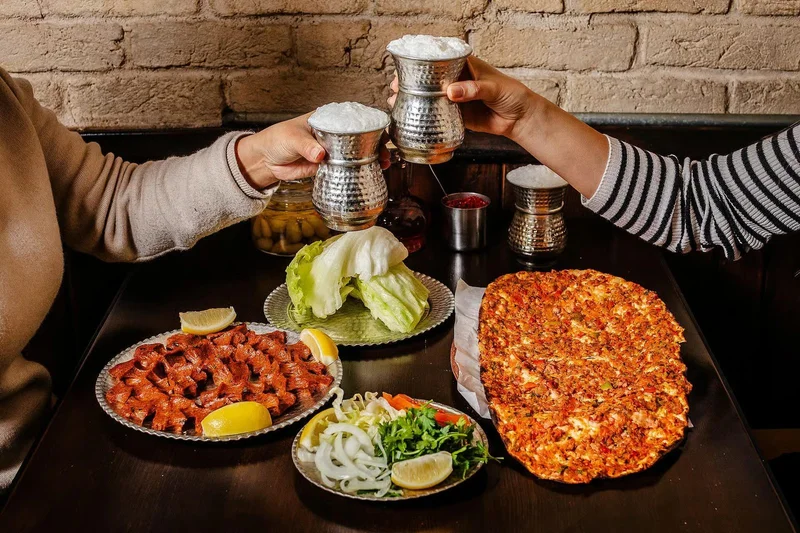
- Turkish phrases for restaurants and cafés
- Shopping and bargaining phrases
- Numbers, prices and money
- Taxi, tram and getting around
- At the hotel, hamam and mosque
- When you need help
- How much English is spoken, and how much Turkish you need
- Travelling from abroad
- Frequently Asked Questions
Ten Turkish phrases for tourists cover most of a holiday: merhaba (hello), teşekkürler (thanks), lütfen (please), evet / hayır (yes / no), ne kadar? (how much?), hesap lütfen (the bill, please), affedersiniz (excuse me), nerede? (where is?), anlamıyorum (I don't understand) and kolay gelsin (a friendly "may it be easy" for anyone at work). Learn those, add the 60 or so below for taxis, shops, restaurants and emergencies, and you will get a visibly warmer reaction in Istanbul, Cappadocia or a beach town.
The good news for English speakers is that Turkish is spelled exactly as it sounds. Once you know eight letters, you can read any sign, menu or tram stop out loud correctly, which is more than you can say for English. The tables below give each of these Turkish phrases for tourists in Turkish, a simple "say it like" guide and the meaning. The pronunciation guides are approximations written for English speakers; our guides in Istanbul use the same tricks when they teach guests on the first morning of a tour.
| Quick facts | Detail |
|---|---|
| Alphabet | Latin, 29 letters, phonetic since the 1928 alphabet reform |
| Letters to learn | ç, ş, ğ, ı, ö, ü, c, plus a rolled r |
| Stress | usually on the last syllable |
| Formal vs informal | use the polite -siniz / -sınız forms with strangers |
| Most useful word | lütfen (please), followed by teşekkürler (thanks) |
| Emergency number | 112 for ambulance, police and fire |
How to pronounce Turkish: the 8 letters that matter
Turkish has no silent letters, except one that is nearly silent. Every other letter is pronounced the same way every time. These are the ones that trip English speakers:
| Letter | Sounds like | Example | Say it like |
|---|---|---|---|
| c | j in "jam" | cami (mosque) | jah-mee |
| ç | ch in "chair" | çay (tea) | chai |
| ş | sh in "ship" | şiş (skewer) | sheesh |
| ğ | silent, lengthens the vowel before it | dağ (mountain) | daa |
| ı (no dot) | the "e" in "taken", a short schwa | ılık (lukewarm) | uh-luhk |
| ö | like German ö, "ur" in "fur" without the r | göz (eye) | gurz |
| ü | like German ü, "ew" in "few" | üç (three) | ewch |
| r | lightly rolled, softer at the end of words | bir (one) | beer |
Two more rules make everything easier. First, the stress usually falls on the last syllable: ar-ka-daş (friend), mer-ha-BA. Place names are the exception, which is why locals say IS-tan-bul with the weight on the first syllable, or simply "Stanbul". Second, every vowel is pronounced: Beşiktaş is besh-eek-tash, Kadıköy is kah-duh-koy, Üsküdar is ews-kew-dar.
Turkish phrases for tourists: greetings and politeness
If you learn only one table, learn this one. Turkish politeness has a few set phrases that have no direct English equivalent, and using them signals that you have made an effort.
| Turkish | Say it like | Meaning |
|---|---|---|
| Merhaba | mer-ha-ba | Hello (any time of day) |
| Günaydın | gew-nai-duhn | Good morning |
| İyi akşamlar | ee-yee ak-sham-lar | Good evening |
| İyi geceler | ee-yee geh-jeh-ler | Good night |
| Hoşça kalın | hosh-cha ka-luhn | Goodbye (said by the person leaving) |
| Güle güle | gew-leh gew-leh | Goodbye (said by the person staying) |
| Teşekkürler | teh-shek-kewr-ler | Thanks |
| Teşekkür ederim | teh-shek-kewr eh-deh-reem | Thank you (more formal) |
| Sağ olun | saa oh-lun | Thanks (warm, everyday) |
| Lütfen | lewt-fen | Please |
| Rica ederim | ree-ja eh-deh-reem | You're welcome |
| Affedersiniz | af-feh-der-see-neez | Excuse me / sorry |
| Pardon | par-don | Sorry, excuse me (casual) |
| Evet / Hayır | eh-vet / ha-yuhr | Yes / No |
| Tamam | ta-mam | OK |
| Nasılsınız? | na-suhl-suh-nuhz | How are you? |
| İyiyim, siz? | ee-yee-yeem, seez | I'm fine, and you? |
A small but useful detail: teşekkürler is what most people say day to day. Sağ olun sounds friendlier and is common with shopkeepers and drivers. When someone says "teşekkürler" to you, the answer is rica ederim, or simply ne demek (not at all).
Phrases Turks use that English does not have
These are the phrases that make a Turkish shopkeeper smile, because tourists almost never use them. They carry social meaning rather than literal content.
| Turkish | Say it like | When to use it |
|---|---|---|
| Kolay gelsin | ko-lai gel-seen | To anyone working: a waiter, a cleaner, a guide. "May it be easy." |
| Afiyet olsun | ah-fee-yet ol-sun | Before or during a meal: "enjoy your food" |
| Elinize sağlık | eh-lee-nee-zeh saa-luhk | After a meal someone cooked: "health to your hands" |
| Geçmiş olsun | gech-meesh ol-sun | When someone is ill or has had bad luck: "may it pass" |
| Kolay gelsin, iyi çalışmalar | ko-lai gel-seen, ee-yee cha-luhsh-ma-lar | Leaving a shop or office |
| Hayırlı olsun | ha-yuhr-luh ol-sun | Congratulations on a new purchase or new job |
| Maşallah | ma-shal-lah | Admiring a baby, a view or something beautiful |
| İnşallah | een-shal-lah | "Hopefully", about any future plan |
If you take one phrase from this page into the Grand Bazaar, take kolay gelsin. Said on the way into a shop, it sets a friendly tone before any price is mentioned.
Turkish phrases for restaurants and cafés
Menus in tourist areas of Istanbul usually have English, but the people serving you often speak less of it than the menu suggests, especially in neighbourhood places in Kadıköy, Fatih or Balat. These phrases cover a whole meal, from sitting down to paying.
| Turkish | Say it like | Meaning |
|---|---|---|
| İki kişilik masa var mı? | ee-kee kee-shee-leek ma-sa var muh | Is there a table for two? |
| Menü alabilir miyim? | meh-new a-la-bee-leer mee-yeem | Can I have the menu? |
| Bu ne? | boo neh | What is this? |
| Bunu alayım | boo-noo a-la-yuhm | I'll have this one |
| Su, lütfen | soo, lewt-fen | Water, please |
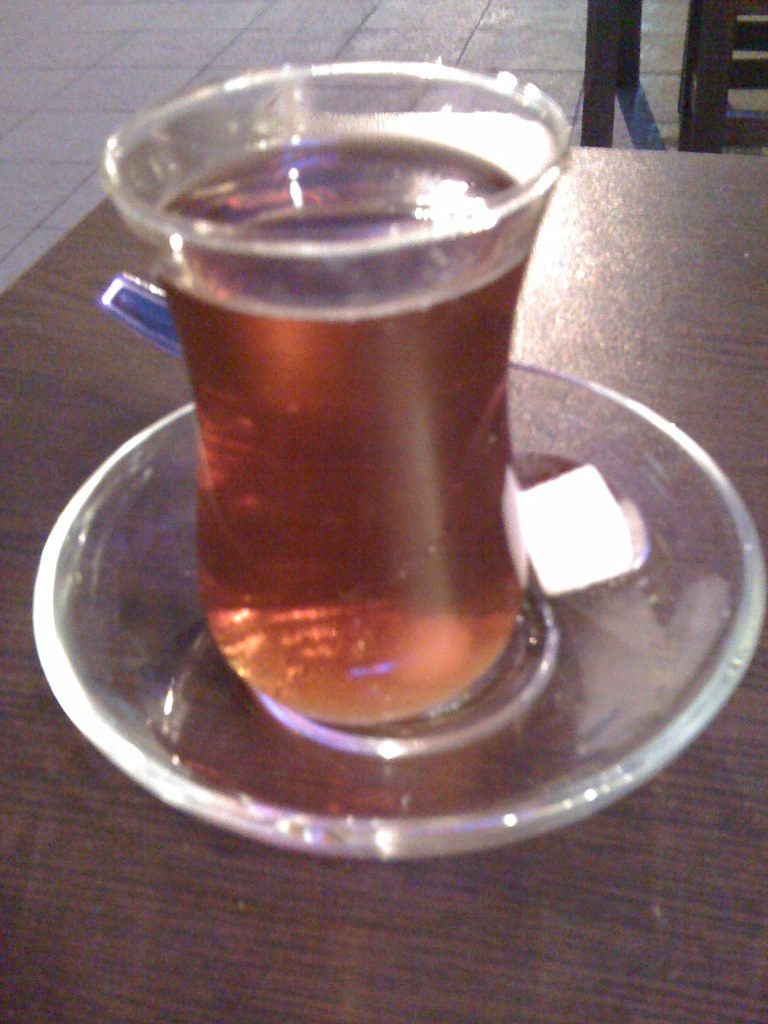
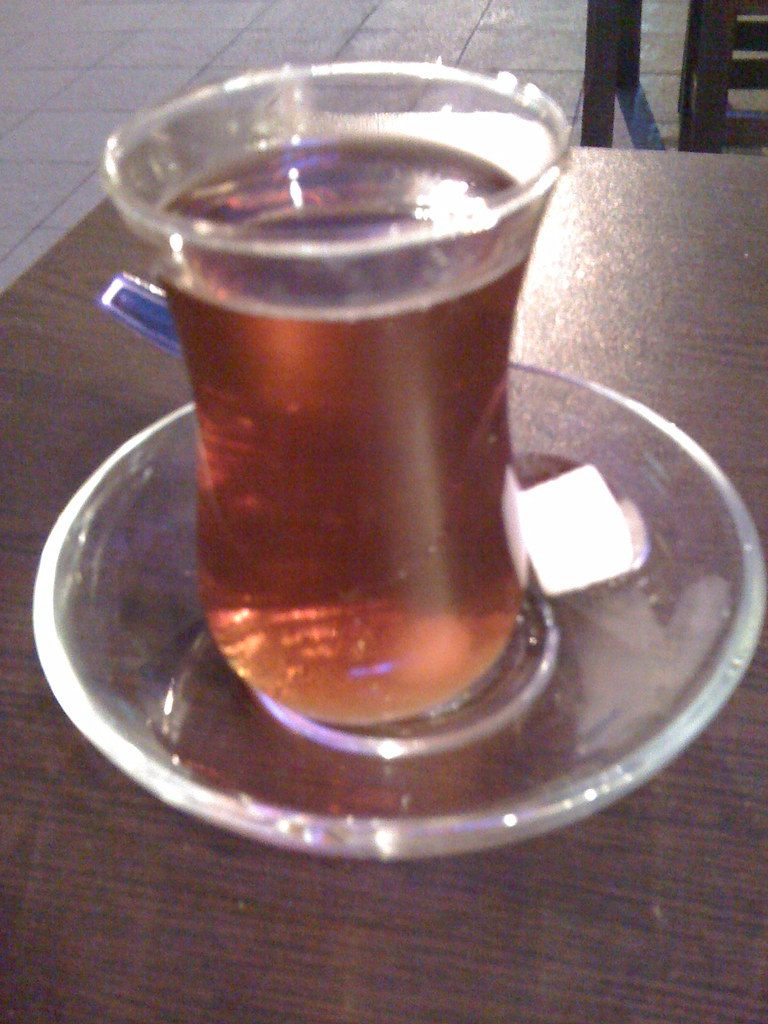
| Bir çay, lütfen | beer chai, lewt-fen | One tea, please |
| Acı olmasın | a-juh ol-ma-suhn | Not spicy, please |
| Et yemiyorum | et yeh-mee-yo-rum | I don't eat meat |
| Vejetaryen yemek var mı? | veh-zheh-tar-yen yeh-mek var muh | Is there vegetarian food? |
| Fıstık alerjim var | fuhs-tuhk a-ler-zheem var | I have a nut allergy |
| Çok lezzetli | chok lez-zet-lee | Very tasty |
| Hesap, lütfen | heh-sap, lewt-fen | The bill, please |
| Kartla ödeyebilir miyim? | kart-la ur-deh-yeh-bee-leer mee-yeem | Can I pay by card? |
Asking for the bill with a small writing gesture in the air works everywhere, but hesap lütfen is faster. Service charges are rarely added to the bill in Turkey; a tip of 5 to 10 percent is normal in sit-down restaurants, and our guide to tipping in Turkey explains the rest. If you would rather eat with someone who orders for you, our Istanbul street food tour ($90) is the easy way to try twenty things without a dictionary.
Shopping and bargaining phrases
In shops with price tags, which means most of the city, you pay the marked price. In the Grand Bazaar, carpet shops and souvenir stalls, polite bargaining is expected. These phrases do the work:
| Turkish | Say it like | Meaning |
|---|---|---|
| Ne kadar? | neh ka-dar | How much? |
| Bu ne kadar? | boo neh ka-dar | How much is this? |
| Çok pahalı | chok pa-ha-luh | Too expensive |
| Son fiyat ne? | son fee-yat neh | What is the last price? |
| İndirim yapar mısınız? | een-dee-reem ya-par muh-suh-nuhz | Can you give a discount? |
| Sadece bakıyorum | sa-deh-jeh ba-kuh-yo-rum | I'm just looking |
| Başka renk var mı? | bash-ka renk var muh | Is there another colour? |
| Poşet, lütfen | po-shet, lewt-fen | A bag, please |
| Fiş alabilir miyim? | feesh a-la-bee-leer mee-yeem | Can I have a receipt? |
Bags at supermarkets cost a small fee, so poşet is a word you will use. Ask for a fiş (receipt) on large purchases if you want to reclaim VAT at the airport. Before you start, read our Grand Bazaar guide to gates and bargaining, which includes how far prices usually move.
Numbers, prices and money
Prices in Turkey are in Turkish lira (TL, written ₺). Many hotels and tour companies, ours included, quote in dollars or euros, but markets, taxis, ferries and cafés use lira. Hearing a number is easier if you know the basic Turkish words that build every price:
| Number | Turkish | Say it like |
|---|---|---|
| 1 / 2 / 3 | bir / iki / üç | beer / ee-kee / ewch |
| 4 / 5 / 6 | dört / beş / altı | durt / besh / al-tuh |
| 7 / 8 / 9 / 10 | yedi / sekiz / dokuz / on | yeh-dee / seh-keez / do-kuz / on |
| 20 / 50 / 100 | yirmi / elli / yüz | yeer-mee / el-lee / yewz |
| 500 / 1,000 | beş yüz / bin | besh yewz / been |
Numbers are built like Lego: 150 is yüz elli, 250 is iki yüz elli, 1,500 is bin beş yüz. If a number goes past you, say yazar mısınız? (yah-zar muh-suh-nuhz, "could you write it?"). Phone calculators are the universal fallback in the bazaar. For where to change money and which cash machines charge fees, see our guide to exchanging money in Istanbul.
Taxi, tram and getting around
Most problems tourists have with Istanbul taxis are about the meter or the route, and two phrases prevent most of them.
| Turkish | Say it like | Meaning |
|---|---|---|
| Taksimetreyi açar mısınız? | tak-see-meh-treh-yee a-char muh-suh-nuhz | Could you turn on the meter? |
| ...'a gitmek istiyorum | ...a geet-mek ees-tee-yo-rum | I want to go to ... |
| Burada durabilir misiniz? | boo-ra-da du-ra-bee-leer mee-see-neez | Can you stop here? |
| Sağa / sola / düz | saa / so-la / dewz | Right / left / straight on |
| ... nerede? | ... neh-reh-deh | Where is ...? |
| Tuvalet nerede? | too-va-let neh-reh-deh | Where is the toilet? |
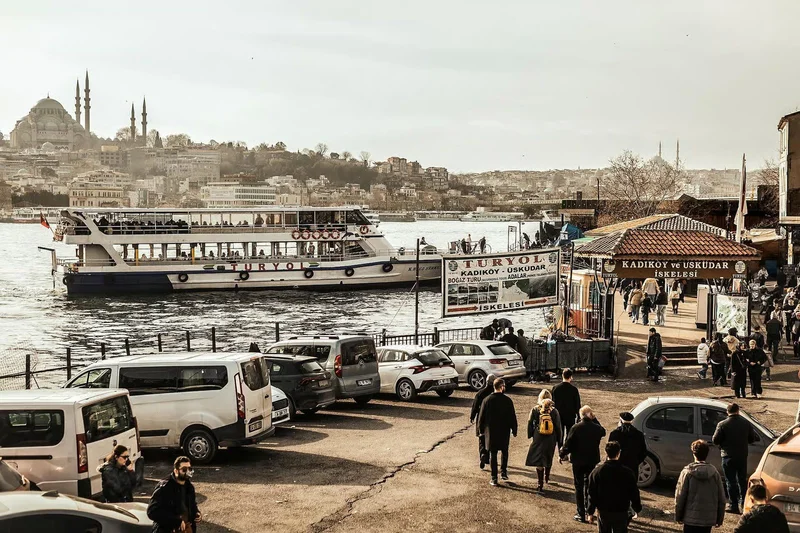
| İskele | ees-keh-leh | Ferry pier |
| Durak | du-rak | Stop (bus, tram, taxi rank) |
| Giriş / Çıkış | gee-reesh / chuh-kuhsh | Entrance / Exit |
| İnecek var | ee-neh-jek var | Someone's getting off (in a minibus) |
On a dolmuş, the shared minibus, you say inecek var loudly when you want to get off, and the driver pulls over at the next safe spot. On trams and ferries you tap your İstanbulkart and say nothing at all. Signs that help: Çıkış (exit) in every metro station and Giriş (entrance) at museum gates.
At the hotel, hamam and mosque
A few situations have their own vocabulary. At the hotel you will hear oda (room), anahtar (key) and kahvaltı (breakfast); kahvaltı saat kaçta? (kah-val-tuh sa-at kach-ta) asks what time breakfast is. In a hamam, the attendant who scrubs you is the natır for women and the tellak for men, and yavaş, lütfen (ya-vash, lewt-fen, "gently, please") is the most useful phrase in the building.
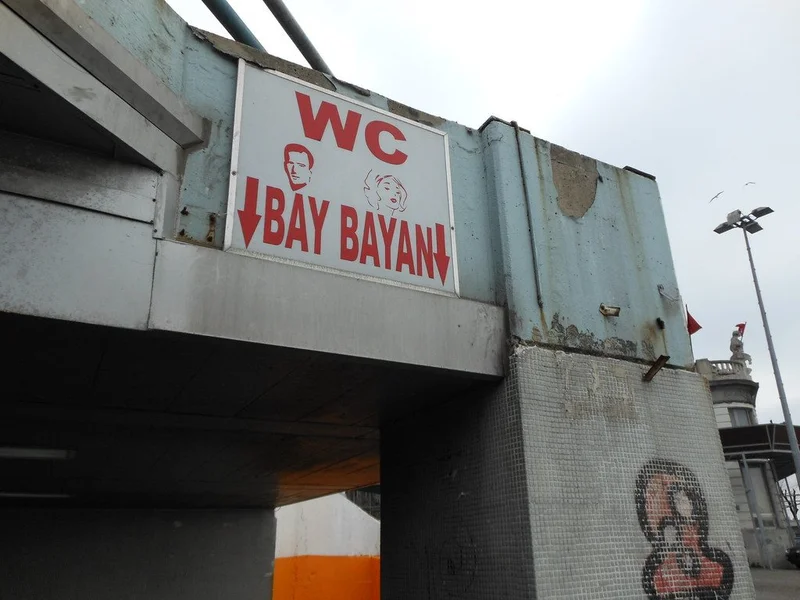
At a mosque, the words you need are on signs rather than in conversation: Ziyaretçi girişi marks the visitor entrance, and namaz vakti means prayer time, when the visitor door is closed. Women can ask for a head covering with örtü var mı? (ur-tew var muh). On toilet doors everywhere, Bay means men and Bayan means women, and WC or Tuvalet marks the way. For when the doors close at the Blue Mosque, our guide to Blue Mosque visiting hours has the prayer timetable.
When you need help
You will probably never use these, but they belong on your phone just in case. Turkey uses one emergency number, 112, for ambulance, police and fire.
| Turkish | Say it like | Meaning |
|---|---|---|
| Yardım edin | yar-duhm eh-deen | Help |
| İngilizce biliyor musunuz? | een-gee-leez-jeh bee-lee-yor mu-su-nuz | Do you speak English? |
| Anlamıyorum | an-la-muh-yo-rum | I don't understand |
| Yavaş konuşur musunuz? | ya-vash ko-nu-shur mu-su-nuz | Could you speak slowly? |
| Kayboldum | kai-bol-dum | I'm lost |
| Doktor lazım | dok-tor la-zuhm | I need a doctor |
| Eczane nerede? | ej-za-neh neh-reh-deh | Where is a pharmacy? |
| Polis | po-lees | Police |
Pharmacies (eczane, with a red E sign) are everywhere, and pharmacists often speak some English. Our page on hospitals and pharmacies in Istanbul for tourists lists the hospitals with English-speaking emergency rooms.
How much English is spoken, and how much Turkish you need
In the Old City, Galata, Karaköy, the big hotels and every museum ticket desk, you can manage in English. Tour guides in Turkey must pass a licence exam that includes their working language, so a licensed guide is fluent. Outside the tourist core, on the Asian side, in local restaurants, in taxis and in small towns in Cappadocia, English drops off fast, and a few Turkish words become genuinely useful rather than just polite.
The realistic goal is not conversation. It is the ten Turkish phrases for tourists at the top of this page, the numbers up to a thousand and the restaurant table. That takes about an hour with a pronunciation video and pays back every day of the trip. A translation app with offline Turkish downloaded covers the rest, and a local SIM or eSIM keeps it working; see our guide to the Istanbul SIM card for tourists.
Travelling from abroad
Visitors from the UK, Germany and most of the EU can enter Turkey visa-free for short stays, while travellers from India and some other countries need an e-visa; check your passport in our country-by-country update on Turkey visa rules for 2027. Whatever your passport, Turkish is the one language every Turk shares, and a guide who speaks yours makes the first days easier. We arrange private Istanbul tours with licensed guides in English, German, Spanish, Russian, Arabic, French and other languages; all options are on our Istanbul tours page, and the Istanbul destination guide covers the city district by district.
Frequently Asked Questions
How do you say thank you in Turkish?
You say thank you in Turkish with "teşekkürler" (teh-shek-kewr-ler), or more formally "teşekkür ederim" (teh-shek-kewr eh-deh-reem). A warmer everyday version is "sağ olun" (saa oh-lun), often used with drivers and shopkeepers. The usual answer to thanks is "rica ederim", which means you're welcome.
How do you say hello in Turkish?
You say hello in Turkish with "merhaba" (mer-ha-ba), which works at any time of day with anyone. For a more specific greeting, use "günaydın" (good morning) until about noon and "iyi akşamlar" (good evening) after dark. Among friends, people often just say "selam", the casual form of hello.
What does teşekkürler mean?
"Teşekkürler" means "thanks" in Turkish. It is the short, everyday form of "teşekkür ederim" (thank you) and is the version you will hear most in shops, cafés and taxis. It is pronounced teh-shek-kewr-ler, with the ş sounding like "sh" and the ü like the "ew" in "few".
How do I ask for the bill in Turkish?
To ask for the bill in Turkish, say "hesap, lütfen" (heh-sap, lewt-fen), which means "the bill, please". Waiters in Turkey usually bring it only when asked. To check whether a card is accepted, add "kartla ödeyebilir miyim?" (can I pay by card?), which works in most restaurants and cafés.
Is Turkish hard to pronounce?
Turkish is not hard to pronounce for English speakers, because it is written exactly as it is spoken, with one sound per letter and no silent letters except the soft ğ. After learning about eight unfamiliar letters, such as ç, ş, ı, ö and ü, you can read any Turkish word aloud correctly. Grammar is harder than pronunciation.
Do Turks appreciate tourists speaking Turkish?
Yes, Turks generally appreciate tourists speaking even a little Turkish, and a simple "merhaba", "teşekkürler" or "kolay gelsin" usually earns a smile and a friendlier conversation. Mistakes are not a problem; people tend to help and correct you kindly. Shopkeepers in markets are especially pleased when a visitor tries.
Written by the Get Istanbul Tours team: licensed local guides and trip planners based in Istanbul.
Leave a Comment
Private tours in Istanbul
Istanbul Street Food Tour with a Local Guide, 6 Hours
Taste Turkish street food, baklava, tea and coffee with a local guide on a walk through Istanbul's authentic neighbourhoods and markets.
Best of Istanbul Private Tour, 1-3 Days with Professional Guide
A licensed private guide for 1, 2 or 3 days in Istanbul: the Old City, the Bosphorus and the Golden Horn, planned around your interests.
Related articles
 Travel Tips
Where to Eat in Taksim 2027: Istiklal Street, Side Streets and What to Order, with Prices
Where to eat in Taksim: grill houses, meyhane streets, lokanta lunches and street food, with what to order and dinner costs of 1,200 to 3,000 TL.
Read More Itineraries
Istanbul 8 Day Itinerary 2027: Day by Day with Bosphorus, Islands, Bursa and Costs
Istanbul 8 day itinerary: Old City, Topkapi, Bosphorus, Princes' Islands and a Bursa day trip, with entrance fees and our 8-day private package from $1,499.
Read More Istanbul
Where to Eat in Beyoğlu 2027: Istiklal, Galata and Cihangir – Dishes, Prices, Streets
Where to eat in Beyoğlu by street and hour: Cihangir breakfast, Karaköy lunch and baklava, Nevizade meyhane dinner, with reported 2026 prices and a food tour from $90.
Read More