

Travel Tips9 November 202612 min read
Turkey Travel Tips 2027: 25 Things First-Time Visitors Should Know
25 Turkey travel tips for first-timers: visa-free 90 days for US citizens, paying in lira, mosque dress, taxis, SIM, tipping and safety, each with a deeper guide.
In this article
- Before you go (tips 1 to 6)
- Money (tips 7 to 10)
- Phone, arrival and getting around (tips 11 to 16)
- Mosques, clothes and manners (tips 17 to 20)
- Food and drink (tips 21 and 22)
- Safety and health (tips 23 to 25)
- Your first 48 hours: what first-timers get wrong
- Which first trip fits you
- Frequently Asked Questions
The 25 Turkey travel tips that matter most for a first visit are about visas, money, mosques, taxis and food, and the short version is this: US citizens need no visa for up to 90 days, pay in lira rather than dollars, cover your shoulders and knees in mosques, use a taxi app, and eat where locals eat. Everything below is checked against official or dated sources, and each tip links to the page that goes deeper.
We run tours in Istanbul and across Turkey every day as a licensed TÜRSAB agency (A-group, no. 15751, since 2010), so the tips come from what guests actually ask on arrival. Lira figures were checked in October and November 2026 at roughly 50 lira to the US dollar and 55.5 to the euro. Lira prices change every few months, so treat each as a guide.
| Quick facts | Turkey for first-time visitors, 2027 |
|---|---|
| Visa for US citizens | None, up to 90 days in any 180 (travel.state.gov) |
| Passport | Valid six months beyond entry, one blank page (State Department) |
| Currency | Turkish lira; about 50 TL = $1 in early November 2026 |
| Best months | April to early June, mid-September to October |
| Emergency number | 112 |
| Time zone | UTC+3 all year |
| Days for a first trip | 10 to 14 for Istanbul, Cappadocia and the coast |
Before you go (tips 1 to 6)
1. You do not need a visa if you hold a US passport. Ordinary US passport holders can stay up to 90 days in any 180-day period without a visa, according to the State Department. Other nationalities differ, so check evisa.gov.tr before booking. Our Turkey travel requirements for US citizens page has the details.
2. Check your passport dates. The State Department asks for a passport valid for six months beyond your entry date, with at least one blank page for stamps. Turkish law only requires 60 days beyond your stay, but airlines apply the stricter rule, so renew early.
3. Pick the season before the airline. April to early June and mid-September to October are the most comfortable. July and August are hot, with daytime highs around 30°C in the cities and inland. Our best time to visit Turkey guide gives the months region by region.
4. Give a first trip 10 to 14 days. That covers Istanbul, Cappadocia and a stretch of coast with Ephesus or Pamukkale. With 5 to 7 days, choose Istanbul and Cappadocia. Our how many days in Turkey guide shows the routes, and our Istanbul and Cappadocia tour package puts the two together.
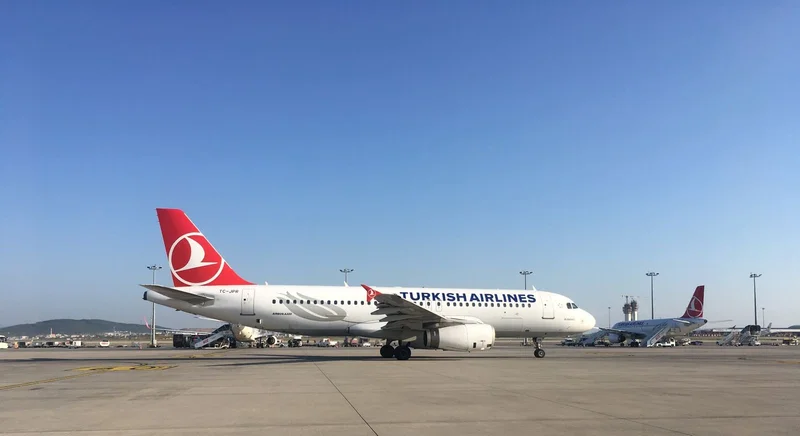
5. Fly nonstop if you can. Turkish Airlines flies nonstop to Istanbul from a number of US cities, and the schedule changes by season. See our flights to Istanbul from the USA page for routes and typical times.
6. Check the holiday calendar. In 2027 Ramadan runs 8 February to 8 March, Eid al-Fitr is 9 to 11 March and Eid al-Adha 16 to 19 May. The Grand Bazaar and Spice Bazaar close for most of each Eid. Our Turkey public holidays 2027 guide lists every closure.
Money (tips 7 to 10)
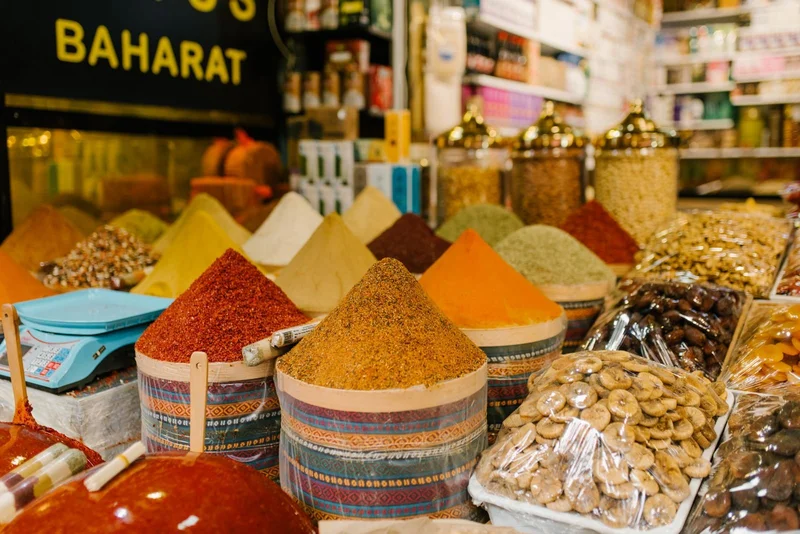
7. Pay in lira, and carry some cash. Cards work in hotels, restaurants and shops, but markets, ferries and small lokantas still prefer cash. When a card machine offers to charge you in dollars or euros, refuse; the rate is worse. Some bank ATMs charge nothing and others charge 50 to 150 lira, so check the screen before you confirm. Our guide to exchanging money in Istanbul names the best places.
8. Tipping is voluntary but expected. Restaurants cannot add a service charge since 30 January 2026, so 5 to 10% for good service is normal. A guide on a small group is usually tipped $20 to $40 a day for the whole group, and taxi fares are rounded up. See tipping in Turkey for the full table.
9. Bargain in bazaars, not in shops with price tags. Asking for a better price is normal in the Grand Bazaar, which is open Monday to Saturday and closed on Sundays. Buy modern replicas rather than "antiques": taking antiquities out of Turkey is a crime. Our Grand Bazaar guide shows which gates to use, and the shopping guide lists fair prices.
10. Claim the VAT back. Non-residents can reclaim VAT on purchases of 1,000 lira or more per form from a shop with a tax-free sign; you typically net back about 10 to 12% on standard goods. Get the form stamped at customs before you check in. See tax-free shopping in Turkey.
Phone, arrival and getting around (tips 11 to 16)
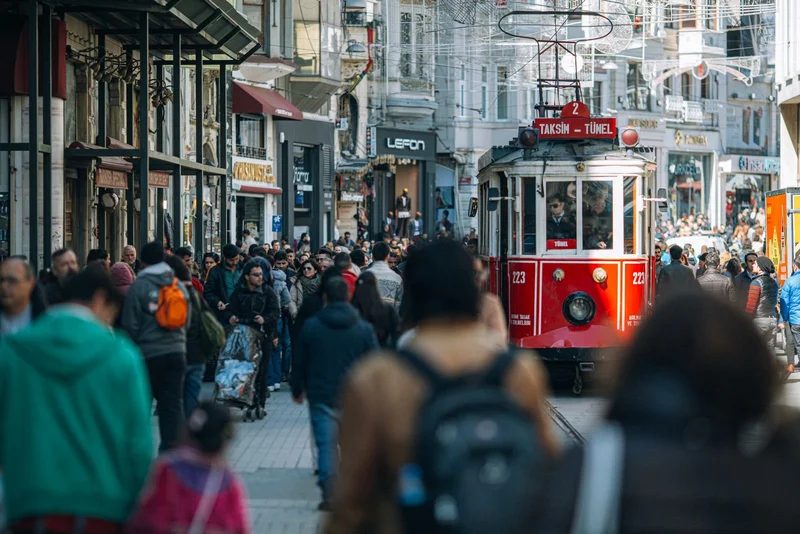
11. Install an eSIM before you land. An eSIM costs about $10 to $23 for 20 GB, against 1,000 to 1,800 lira ($20 to $36) for a Turkish SIM. Turkey has blocked the websites of several foreign eSIM sellers inside the country, so buy and install before you fly. Our SIM card and eSIM guide compares the options. Turkey uses standard European two-pin plugs at 230V.
12. Know how you get from the airport. Istanbul Airport (IST) is about 45 to 90 minutes from the centre depending on traffic. The Havaist bus to Taksim was about 470 lira in October 2026 and the M11 metro runs to Gayrettepe. Our airport arrival guide covers passport control, baggage and transfers, and a private transfer is from $60 per vehicle (airport transfers).
13. Buy an Istanbulkart on day one. The card costs 165 lira and each metro, tram or ferry ride is 46.20 lira (about 92 cents). It pays for itself after about nine rides. See how to buy and top up an Istanbulkart.
14. Book taxis on an app. BiTaksi, iTaksi, Uber and Yandex Go all use the official meter, which starts at 71.94 lira with a 230 lira minimum. Never accept a taxi that refuses the meter. Our taxi app guide explains foreign-card payment.
15. Fly for the long hops. Istanbul to Cappadocia is an hour by air and many hours by bus or car. Our Istanbul to Cappadocia comparison lists times and prices. Our 2-day Cappadocia flight package from Istanbul is from $599 per person.
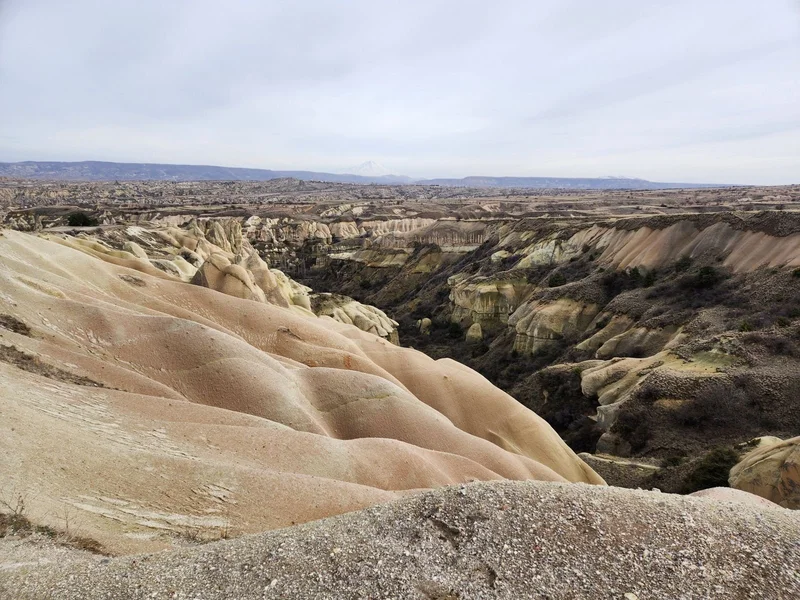
16. Hire a licensed guide for the big sights. Licensed guides carry a Ministry work card, and they know the closing days: Topkapi on Tuesdays, Dolmabahçe on Mondays. A private guide in English is $199 per group per day; other languages are $199 to $250 a day depending on language and season. Our page on licensed tour guides in Turkey explains the card.
Mosques, clothes and manners (tips 17 to 20)
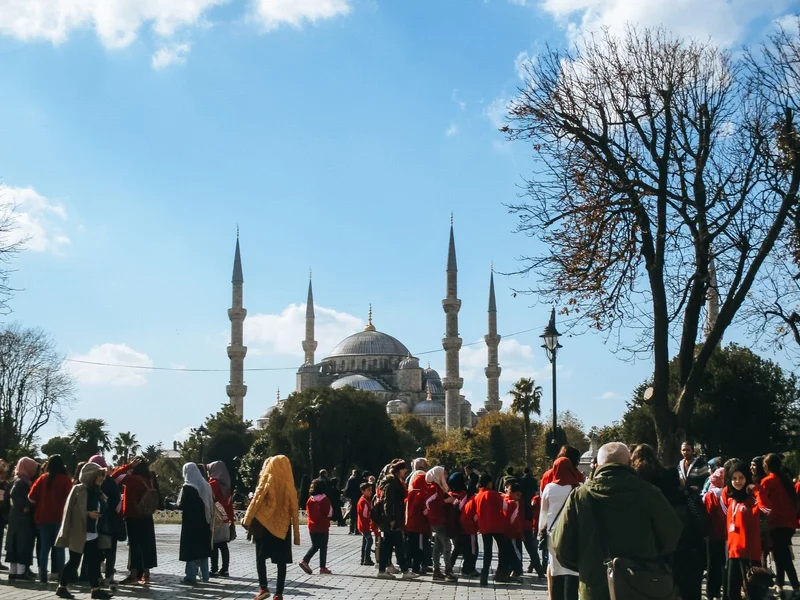
17. Cover up and take your shoes off in mosques. Shoulders and knees covered for everyone, and women cover their hair with a scarf. The Blue Mosque is free but closes to visitors during the daytime prayers and until about 14:30 on Friday. Our Blue Mosque visiting hours guide has the prayer times.
18. Dress for the city, not the beach. Istanbul is cosmopolitan and shorts are common in summer, but shoulders-and-knees clothing is more comfortable in the Old City and in smaller towns. Bring comfortable shoes for cobbled hills. See what to wear in Istanbul.
19. Learn ten words. English works in tourist areas and hotels, less so in lokantas and taxis. "Teşekkür ederim" (thank you) and "merhaba" (hello) go a long way. Our Turkish phrases for tourists gives 70 with pronunciation.
20. Respect the flag and Atatürk. Insulting the Turkish flag or Atatürk is a criminal offence, and Turks take it seriously. Photograph soldiers and police checkpoints only if signs allow it.
Food and drink (tips 21 and 22)
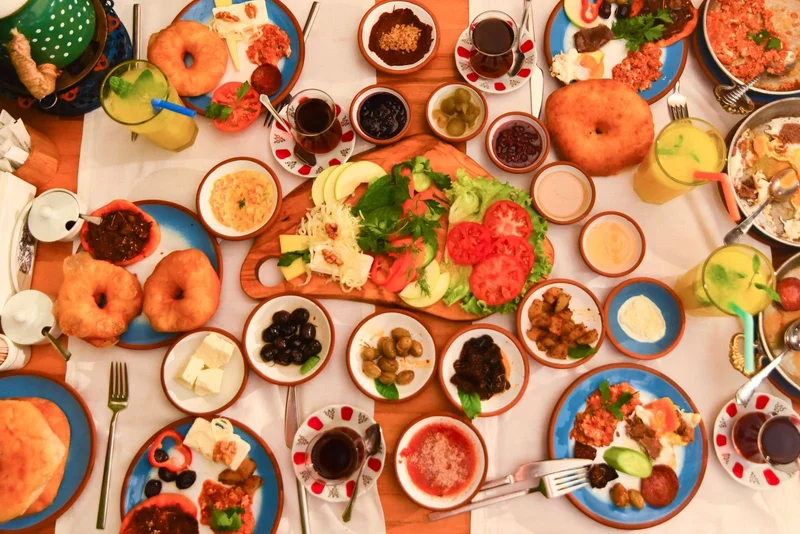
21. Drink bottled water. The Istanbul water utility says the water leaves its plants within drinking standards, but most locals use bottled water or filters because of old building pipes and roof tanks. A half-litre bottle is about 8 lira. Details in our Istanbul tap water guide.
22. Eat halal-style and drink in licensed places. Most meat in Turkey is halal, pork is rare, and alcohol is served in licensed restaurants and bars. Shops are barred from selling alcohol between 22:00 and 06:00, under the 2013 rule. Our is food in Turkey halal page covers vegetarians too.
Safety and health (tips 23 to 25)
23. Read the travel advisory, then keep the context. The US State Department rates Türkiye at Level 2 (exercise increased caution) and flags higher risk near the Syrian and Iraqi borders; the usual first-trip regions are far from them. Our is Istanbul safe for Americans page explains what changes at night, with a night safety guide.
24. Know the nine scams, and the pickpocket spots. The common ones are the dropped shoe brush, the friendly stranger who invites you to a bar, taxis without a meter and menus without prices. Pickpockets work the T1 tram, Istiklal Avenue and the Grand Bazaar: front pocket, zipped bag. See Istanbul scams to avoid.
25. Buy travel insurance, and save 112. Medical care in private hospitals is good but billed to foreigners, so insurance matters. The emergency number for police, ambulance and fire is 112. Our guides cover travel insurance for Turkey and hospitals for tourists in Istanbul.
Your first 48 hours: what first-timers get wrong
Most first-trip mistakes happen in the first two days, when jet lag meets a new city. Istanbul is 8 hours ahead of New York and 11 hours ahead of Los Angeles in winter (7 and 10 in US summer time), since Türkiye stays on UTC+3 all year, so the body clock is the first thing to manage.
- Do not book the Old City for the morning after a night flight. Our packages keep the arrival day free for this reason, and a late start suits Hagia Sophia, which is quietest after the morning rush.
- Do not change money at the airport. Take enough lira from a bank ATM for the taxi or the Istanbulkart, and exchange the rest near the Grand Bazaar.
- Do not plan Tuesday for Topkapi or Monday for Dolmabahçe. Both palaces are closed on those days, and the Grand Bazaar is shut on Sundays.
- Do not follow the friendly stranger. A man who "happens" to be going your way and knows a good bar is the oldest trick in Sultanahmet and on Istiklal Avenue.
- Do not skip the ferry. A public ferry from Eminönü or Karaköy to Kadıköy costs about 60 lira and is the cheapest cruise in the city.
The simplest first day is a short one: the transfer, the hotel, a walk to the Blue Mosque and Hagia Sophia from outside, dinner in a lokanta and an early night. The guided Old City day follows the next morning, when the closing days and prayer times are already on your side. Our 4-day Istanbul City Tour Package is built exactly this way, with a free arrival evening.
Which first trip fits you
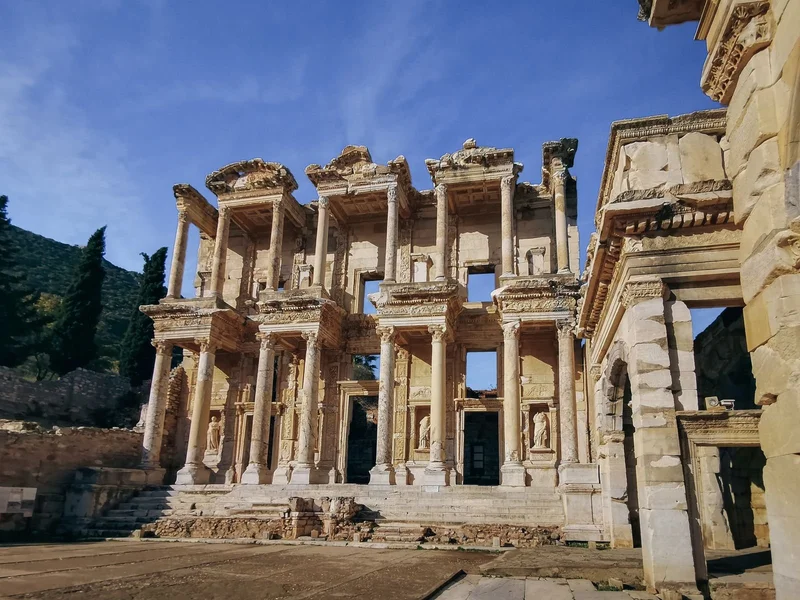
A first-time visit usually lands in one of four shapes. The price is the one on our tour page in November 2026, per person, and varies by season, hotel and what is included, so ask us for today's price.
| Trip | Days | From, per person |
|---|---|---|
| Istanbul City Tour Package | 4 days / 3 nights | $699 |
| Istanbul and Cappadocia Tour Package | 8 days / 7 nights | $2,400 |
| Grand Turkey Tour Package | 10 days / 9 nights | $2,800 |
| Best of Turkey Tour Package | 15 days / 14 nights | $3,980 |
A balloon flight is booked separately; the standard basket is from $199 and flights depend on the wind. Browse every route on our tour packages page or the Istanbul tours list. For the whole country, our sister site getturkiyetours.com lists Turkey-wide tours. If you want the short version of this article, read our Turkey travel tips page.
Frequently Asked Questions
Do Americans need a visa for Turkey?
No. US citizens with an ordinary passport can stay up to 90 days in any 180-day period without a visa, according to the State Department. Your passport should be valid for six months beyond entry, with at least one blank page. Other nationalities should check evisa.gov.tr.
What is the best month to visit Turkey for the first time?
May and late September to October are the most comfortable for Istanbul, Cappadocia and the coast together. July and August are hot, and November to March is cooler and cheaper, with fewer crowds at Hagia Sophia and the Grand Bazaar.
How many days do you need in Turkey?
Ten to fourteen days is enough for Istanbul, Cappadocia and a stretch of coast with Ephesus or Pamukkale. With five to seven days, choose Istanbul and Cappadocia. Our packages run from 4 to 15 days, from $699 per person.
Is it safe to travel to Turkey?
Yes in the regions most visitors use. The State Department rates Türkiye Level 2 and advises extra caution near the Syrian and Iraqi borders. In Istanbul the risks are scams, bad taxis and pickpockets, not violence against tourists; our night safety guide explains the details.
Can I use US dollars in Turkey?
Prices are in lira, and shops and restaurants expect lira. Some hotels and tour operators quote in dollars or euros, but you pay a worse rate when a machine converts for you. Pay in lira by card and withdraw lira from a bank ATM.
Do I need to tip in Turkey?
Tipping is voluntary. Restaurants cannot add a service charge since 30 January 2026, so 5 to 10% is customary for good service, a small-group guide is usually tipped $20 to $40 a day for the whole group, and taxi fares are rounded up.
What should I wear in Turkey?
Cover your shoulders and knees in mosques, take your shoes off, and women should carry a scarf for their hair. In Istanbul and on the coast ordinary summer clothes are fine; in smaller inland towns, lighter long sleeves and trousers are more comfortable.
Is tap water safe in Turkey?
Drink bottled water. The Istanbul utility says its water meets national standards, but old building pipes and roof tanks are the weak point, and most locals buy bottled water or use filters. It is fine for brushing teeth and for tea and coffee.
Written by the Get Istanbul Tours team: licensed local guides and trip planners based in Istanbul.
Leave a Comment
Our private tours
Cappadocia 2-Day Tour from Istanbul: Flights, Cave Hotel & Transfers
An overnight Cappadocia trip from Istanbul with round-trip flights, a cave hotel night, transfers and an optional sunrise balloon flight.
Best of Istanbul Private Tour, 1-3 Days with Professional Guide
A licensed private guide for 1, 2 or 3 days in Istanbul: the Old City, the Bosphorus and the Golden Horn, planned around your interests.
Related articles
 Travel Tips
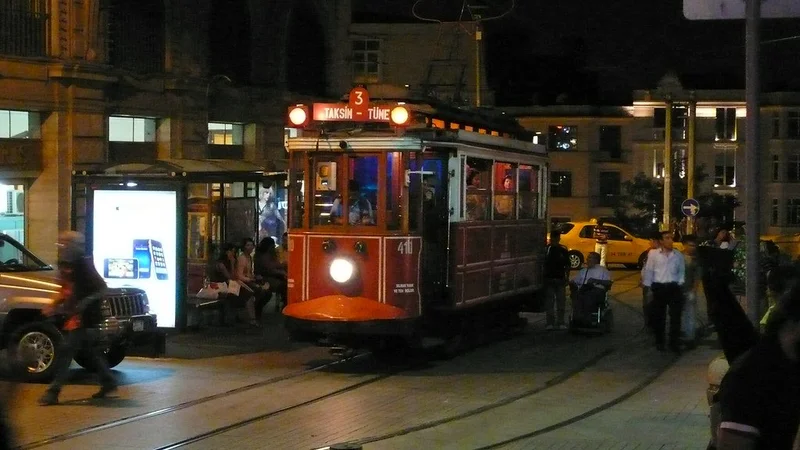
Where to Eat in Taksim 2027: Istiklal Street, Side Streets and What to Order, with Prices
Where to eat in Taksim: grill houses, meyhane streets, lokanta lunches and street food, with what to order and dinner costs of 1,200 to 3,000 TL.
Read More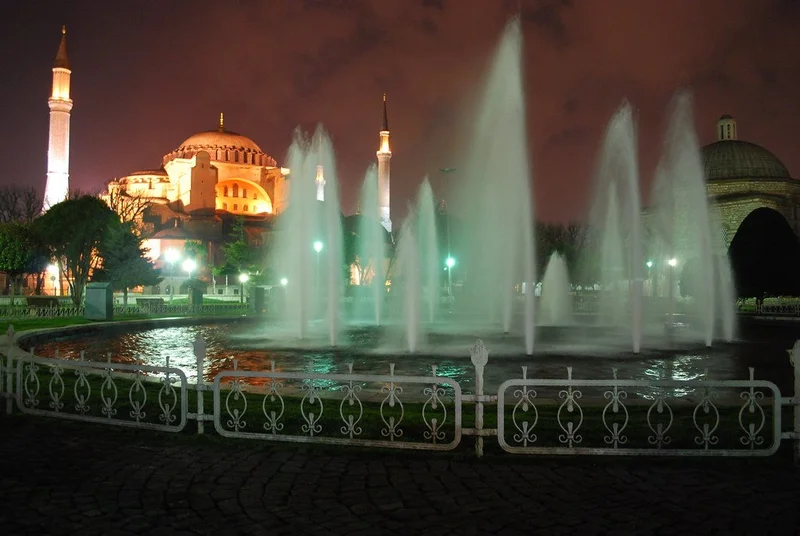 Travel Tips
Is Turkey Safe to Visit in 2027? Current Travel Advisories, Areas to Avoid and Tourist Tips
Turkey is Level 2 for the US and the UK warns only against the 10 km Syrian border zone. What the advisories say, scams in Istanbul and tips for a safe trip.
Read More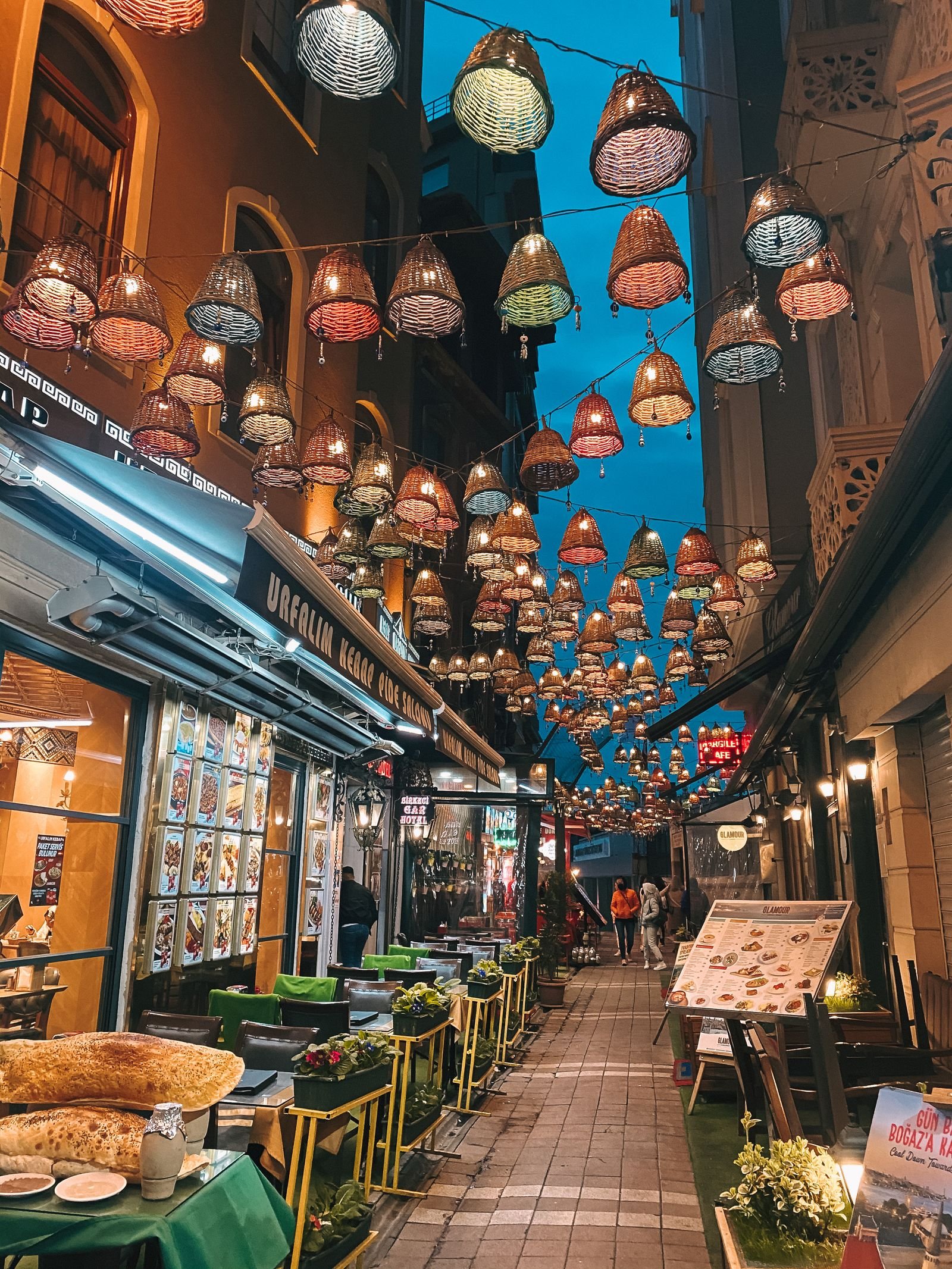 Travel Tips
Kadıköy Restaurants 2027: Where to Eat, from Fish to Meyhane
Kadıköy restaurants checked against 2026 sources: 17 places for market lunch, fish, breakfast, street food, Moda ice cream and meyhane, with hours and approximate prices.
Read More