Travel TipsIstanbul30 October 202612 min read
Istanbul Tap Water in 2027: Safe to Drink, or Buy Bottles?
Istanbul tap water is treated and tested, yet locals buy bottles. What İSKİ says, teeth and ice, and 2026 water prices from 8 TL a bottle to 150 TL a jug.
In this article
- Is Istanbul tap water safe to drink? What İSKİ says
- Why locals still buy bottled water
- Istanbul tap water for brushing teeth, ice, tea and coffee
- Bottled water prices in Istanbul in 2026
- Where to buy water in Istanbul
- Ottoman fountains and Istanbul's old water system
- How much water to carry on a sightseeing day
- Tap water elsewhere in Turkey
- If you get an upset stomach in Istanbul
- Travelling from abroad
- Frequently Asked Questions
Istanbul tap water leaves the treatment plants clean and chlorinated, and the city utility İSKİ says it meets Turkey's drinking-water rules, but almost nobody in the city drinks it straight from the tap. The weak point is the last few metres: rooftop tanks and old pipes inside apartment buildings. For a short trip the practical answer is simple. Brush your teeth with tap water, drink tea and coffee without worry, and buy bottled water, which costs well under a euro for half a litre in any supermarket. If you are touring the Old City with us, water is the least of your worries; our Istanbul tours build in regular stops in shade and cafés.
Below is what İSKİ actually said in October 2026, why locals still carry 19-litre jugs up their stairs, what water costs, and how to stay hydrated on a hot sightseeing day without paying monument-kiosk prices.
| Quick facts | Istanbul tap water 2027 |
|---|---|
| Official status | Treated, chlorinated and tested by İSKİ; meets national drinking-water rules |
| Do locals drink it? | Rarely; most homes use 19-litre bottled jugs or a filter |
| Brushing teeth, showering | Fine |
| Tea, coffee, ice in restaurants | Generally fine; tea water is boiled, ice usually comes from filtered machines |
| 19-litre jug, Hamidiye | 150 TL returnable (from January 2026) |
| Half-litre bottles | about 8 TL each in a 12-pack at supermarket prices (2026) |
| Hot months | June to September; carry at least 1.5 litres for a day of walking |
Is Istanbul tap water safe to drink? What İSKİ says
İSKİ, the Istanbul Water and Sewerage Administration, supplies around 16 million people from reservoirs such as Ömerli, Terkos and Alibey, plus water piped from the Melen river. The water is filtered and chlorinated at treatment plants and then checked at points across the network. On 17 October 2026, answering social media claims that sewage had mixed into the mains, İSKİ said the claims did not reflect reality, that water quality parameters are monitored around the clock, and that water which fails the legal criteria is not released into the network. The Provincial Health Directorate also takes its own independent samples, according to the same statement.
İSKİ publishes its water quality results every month on its website, district by district. Those results describe the water at the network level, before it reaches your building. That distinction matters, and İSKİ's own managers have said so. In interviews in 2021 and 2023, the utility's general manager said tap water can be drunk comfortably as long as the building's tanks are clean and its pipes are not old.
So the honest answer is: the water İSKİ delivers is drinkable; whether the water from the tap in your rented flat or hotel room is equally good depends on a tank on the roof you cannot inspect.
Why locals still buy bottled water
Walk through any residential street in the morning and you will see the delivery man with a 19-litre damacana on his shoulder. Bottled water at home is so normal in Istanbul that most kitchens have a dispenser or a pump on top of a jug. There are four reasons, and only one of them is about safety.
The first is the building tanks. Many apartment blocks store water in a rooftop or basement tank to keep pressure up and bridge supply cuts. If the tank is not cleaned regularly, the water sitting in it is not the water İSKİ sent. The second is old plumbing, especially in the historic districts of Fatih, Beyoğlu and Üsküdar, where pipes can be decades old. The third is taste: the chlorine is noticeable, and many people simply do not like it. The fourth is habit. A generation grew up after years of water shortages and murky supply in the 1990s, and the damacana became part of daily life.
Visitors notice the same thing in restaurants. Ask for water and you get a small sealed bottle, opened at the table and added to the bill, not a jug from the tap. That is normal, not a scam.
Istanbul tap water for brushing teeth, ice, tea and coffee
Most travellers worry about the small daily uses more than the glass of water itself. Here is how locals and long-stay visitors handle them.
- Brushing teeth: tap water is fine. People with a very sensitive stomach use bottled water for the first few days, but that is caution, not necessity.
- Showering: no issue at all.
- Tea: Turkish tea is brewed from boiled water in a double kettle, so the glass of tea a shopkeeper offers you is safe whatever the source.
- Turkish coffee: also boiled, in a small copper pot.
- Ice: restaurants, bars and hotels mostly use ice machines on filtered water. If a small street stall is selling iced drinks in summer and you have a delicate stomach, skip the ice.
- Fresh juice: the orange and pomegranate juice pressed on the street contains no added water.
- Salads and fruit: washed in tap water in restaurants, and eaten daily by millions of people without trouble.
The rule of thumb many expats use is this: drink bottled, cook and wash with tap.
Bottled water prices in Istanbul in 2026
Water is cheap in Istanbul if you buy it where residents do. The table shows prices reported in 2026; they rise with inflation, so treat them as a guide.
| Size | Typical price (2026) | Where |
|---|---|---|
| 19-litre jug, Hamidiye, returnable | 150 TL | home delivery, Hamidiye price from January 2026 |
| 19-litre jug, other brands, returnable | about 170 TL | home delivery |
| 19-litre jug, non-returnable | about 240 TL | home delivery |
| 5-litre bottle | about 60 TL | supermarket |
| 12 × 0.5 litre pack | 99.90 TL (about 8 TL a bottle) | supermarket, price listed on Akakçe |
| 0.5 litre single bottle | a little more than the pack price | corner shop (bakkal) or kiosk (büfe) |
| 0.33 to 0.5 litre at a restaurant | varies, added to the bill | restaurants and cafés |
Hamidiye is the city's own water company, owned by the Istanbul Metropolitan Municipality, and the January 2026 price rise of up to 25% made national news. Other big brands you will see on shelves are Erikli, Sırma, Saka, Pınar and Damla. They are all spring or drinking water bottled under Turkish rules; the differences are mostly taste and mineral content.
The expensive water is at the monuments. Kiosks outside Hagia Sophia, in Sultanahmet Square and at the Galata Tower charge several times the supermarket price for a cold bottle. It is not a fortune, but over a week it adds up.
Where to buy water in Istanbul
The cheapest places are the discount chains BİM, A101 and Şok, which you will find every few hundred metres in residential areas, including streets just behind Sultanahmet and around Taksim. Migros and CarrefourSA are larger and have more choice. A bakkal (corner shop) or büfe (kiosk) charges a little more but is open late.

Most hotels leave one or two free bottles in the room every day; ask at reception if yours does not. If you are staying a week or more in an apartment, ask the owner whether there is a dispenser and which local shop delivers jugs. A delivery usually arrives within the hour, and you pay a deposit on the first jug.
A refillable bottle helps too. Fill it from the big bottle in your room in the morning, add a 5-litre bottle from the supermarket on day one, and you will rarely need to buy at the monuments.
Ottoman fountains and Istanbul's old water system
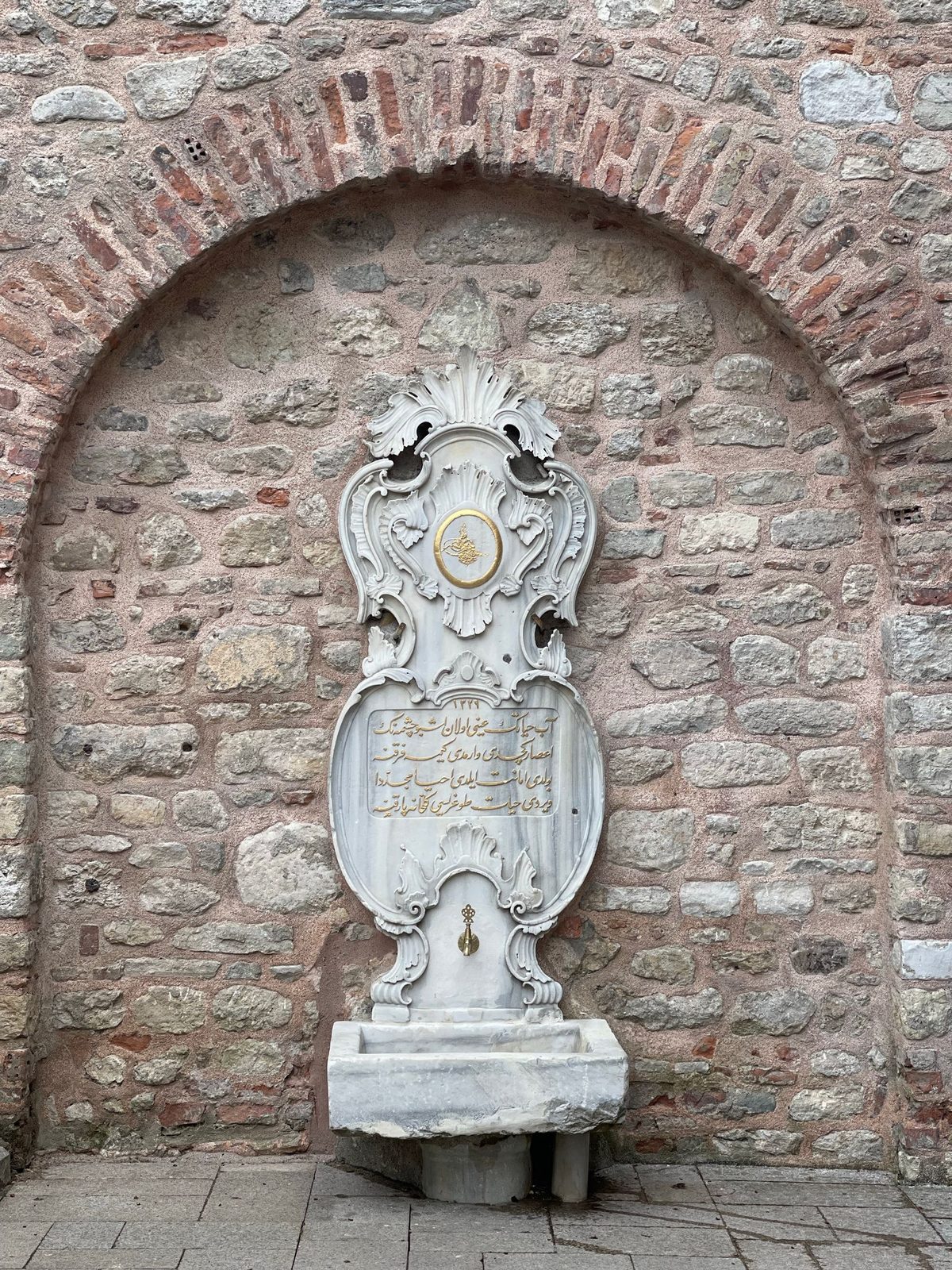
Istanbul has worried about water for 1,600 years. The Romans built the Valens Aqueduct, finished in the late 4th century, whose arches still cross Atatürk Boulevard in Fatih. The Byzantines stored water underground in cisterns; the largest, the Basilica Cistern, held around 80,000 cubic metres beneath Sultanahmet and is now one of the city's most visited sights. The Ottomans added hundreds of public fountains (çeşme) and sebils, kiosks where attendants handed out water and sherbet for free as an act of charity.
The finest is the Fountain of Ahmed III, built in 1728 outside the Imperial Gate of Topkapı Palace, with marble panels of poetry and floral carving. You will also pass small carved fountains in the walls of Gülhane Park, on the way to the Süleymaniye Mosque and in the backstreets of Balat.

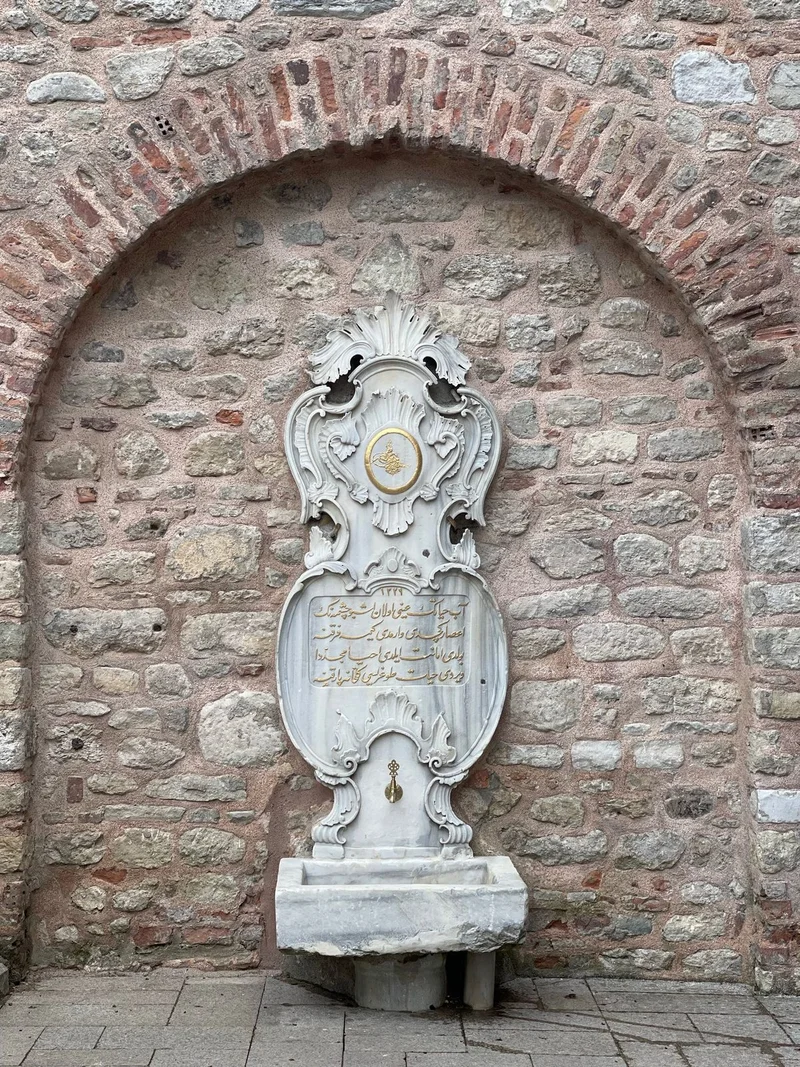
These fountains are monuments now. Most are dry, and the few that run are not maintained as drinking points, so look but do not fill your bottle. The taps in mosque courtyards are for ablutions before prayer, not for drinking either. On our Istanbul full-day Old City small-group tour you pass the Fountain of Ahmed III at the Imperial Gate on the way into Topkapı and Hagia Irene, and the morning Old City highlights small-group tour starts in the Hippodrome beside the German Fountain, the domed gift of Kaiser Wilhelm II completed in 1900.
How much water to carry on a sightseeing day
From June to September, afternoon temperatures in Istanbul are often around 30 °C, and the humidity makes it feel hotter. A typical Old City day covers 8 to 12 kilometres on foot, with long stretches in courtyards without shade: the Hippodrome, the Blue Mosque courtyard, the outer gardens of Topkapı. Carry at least 1.5 litres per person and refill at lunch.
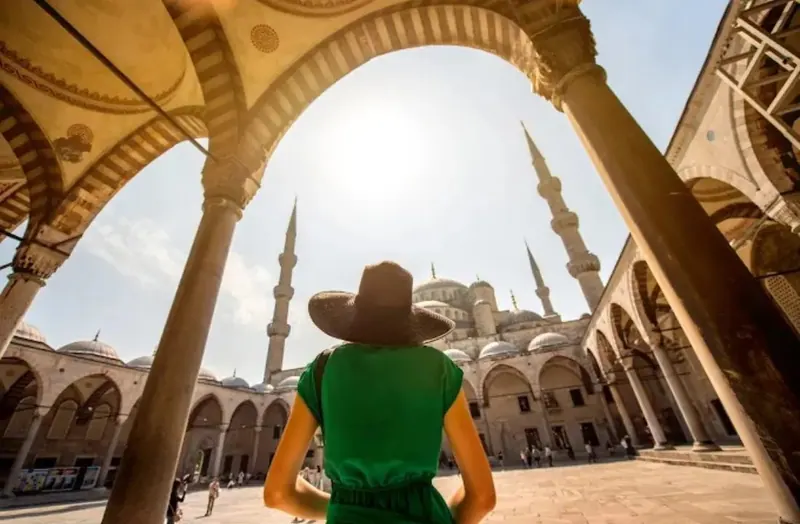
Inside mosques you can carry a closed bottle in your bag but should not drink in the prayer hall. At Hagia Sophia the security check accepts small bottles. In the Grand Bazaar and the Spice Bazaar, shopkeepers will often offer tea; it is fine to accept and fine to decline.
On a private tour the pressure drops. With a private driver and car, the bottles stay cold in the vehicle and the driver meets you at the next sight, so you do not carry anything heavy. For more on dressing for the heat and for mosque visits, see our guide on what to wear in Istanbul, and for general advice before you fly, our Turkey travel tips.
Tap water elsewhere in Turkey
The pattern is the same across the country: municipal water is treated, locals drink bottled. In Cappadocia the water is hard and tastes of minerals; hotels in Göreme and Ürgüp provide bottles, and you will want them on a valley walk in July. On the Antalya coast the tap water is very hard and most resorts tell guests to drink bottled. At Ephesus, summer temperatures pass 35 °C and there is little shade between the Magnesian Gate and the Library of Celsus; carry two bottles, because the kiosks inside the site are expensive.
If you are joining a multi-day trip, our Cappadocia tours and Ephesus and Kuşadası tours run with vehicles that carry water between stops, and all our Turkey tour packages include hotels where bottled water is easy to get.
If you get an upset stomach in Istanbul
A day or two of upset stomach is usually caused by a change of food, rich meals or heat rather than tap water. Pharmacies (eczane, marked with a red E) are everywhere, pharmacists often speak some English, and oral rehydration salts are sold over the counter. At night and on Sundays one pharmacy in each district stays open as the nöbetçi eczane, the duty pharmacy; its address is posted on the door of every closed pharmacy nearby.
If symptoms are severe or last more than a couple of days, see a doctor. Private hospitals in Istanbul have international patient departments that work with travel insurance. This is general information, not medical advice.
Travelling from abroad
Visitors from the UK and the EU can enter Turkey without a visa for tourist stays of up to 90 days; US citizens also do not need a visa for tourism, according to the Turkish Ministry of Foreign Affairs list. Travellers from India need a visa or an e-Visa, depending on the documents they hold. Rules change, so check the official e-Visa site (evisa.gov.tr) before you book. Whatever your passport, the advice about water is the same, and the first supermarket you pass on the way from the airport will sell it.
For the bigger picture of what a stay costs, from tickets to meals and water, see our breakdown of the Istanbul trip cost. If you want a day in the Old City with someone else handling the logistics, book a guided day on our Istanbul tours page or message us on WhatsApp.
Frequently Asked Questions
Can you drink tap water in Istanbul?
Istanbul tap water is treated, chlorinated and tested by İSKİ and meets Turkey's drinking-water rules when it leaves the network, but most residents do not drink it because building tanks and old pipes can affect it. Visitors are best served by drinking bottled water and using tap water for brushing teeth and showering.
Is Istanbul tap water safe for brushing teeth?
Yes, Istanbul tap water is safe for brushing teeth and showering, and locals use it for both every day. Travellers with a very sensitive stomach sometimes use bottled water for the first few days, but this is extra caution rather than a necessity.
Is the ice safe in Istanbul?
Ice in Istanbul restaurants, bars and hotels is generally safe, because most use ice machines connected to filtered water. If you have a delicate stomach, you may want to skip ice at small street stalls in summer, where the source is less clear.
How much is a bottle of water in Istanbul?
A half-litre bottle of water costs about 8 TL when bought in a 12-pack at supermarket prices in 2026, and a little more as a single bottle from a corner shop. Kiosks at major monuments charge several times as much, and restaurants add sealed bottles to the bill.
Why don't people drink tap water in Turkey?
People in Turkey mostly avoid tap water because of rooftop tanks and old pipes in buildings, the taste of chlorine, and a habit formed during water shortages in the past. City utilities say the water they supply meets drinking-water standards, but bottled 19-litre jugs remain normal at home.
Do Istanbul hotels give free water?
Many Istanbul hotels leave one or two free bottles of water in the room each day, especially four- and five-star hotels. Smaller guesthouses may not, so ask at reception, and buy a 5-litre bottle from a supermarket such as BİM, A101 or Migros on your first day.
Written by the Get Istanbul Tours team: licensed local guides and trip planners based in Istanbul.
Leave a Comment
Private tours in Istanbul
Istanbul Old City Full-Day Tour, Tickets & Lunch Included
A full-day small-group tour of Hagia Sophia, the Blue Mosque, Hippodrome, Topkapi Palace, Hagia Irene and the Grand Bazaar.
Hagia Sophia (Ticket Included), Blue Mosque & Grand Bazaar Tour
A small-group tour of the Hippodrome, Blue Mosque, Hagia Sophia and Grand Bazaar with hotel pick-up and entrance fees.
Related articles
 Travel Tips
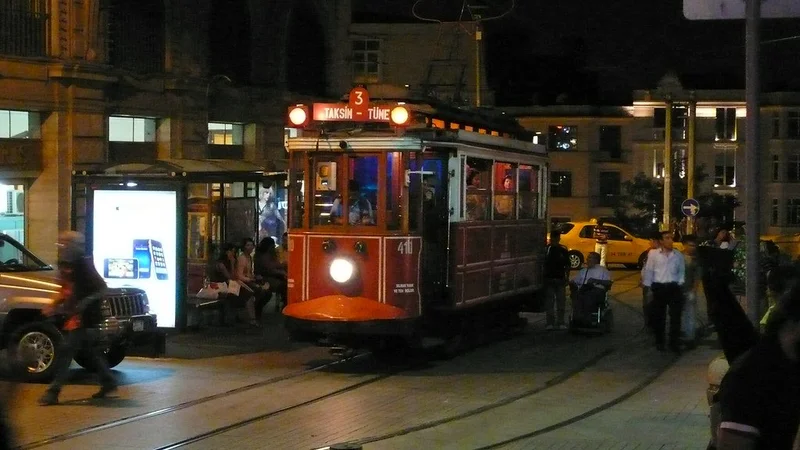
Where to Eat in Taksim 2027: Istiklal Street, Side Streets and What to Order, with Prices
Where to eat in Taksim: grill houses, meyhane streets, lokanta lunches and street food, with what to order and dinner costs of 1,200 to 3,000 TL.
Read More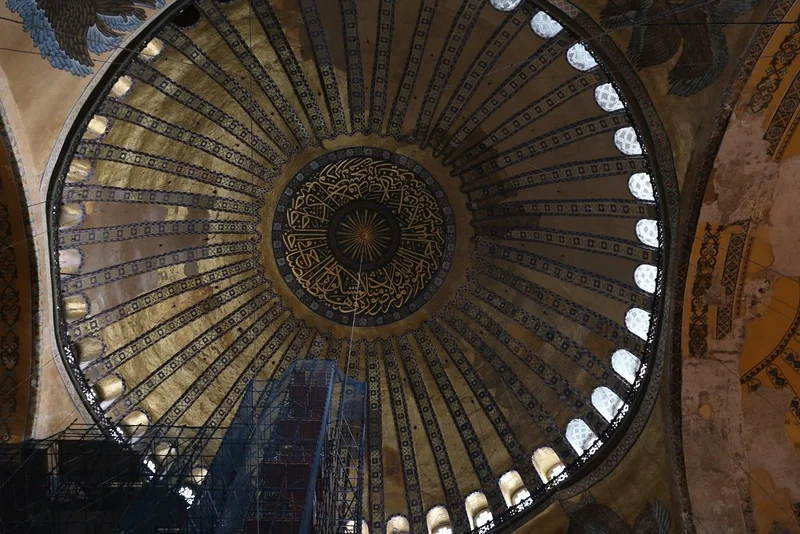 Itineraries
Istanbul 8 Day Itinerary 2027: Day by Day with Bosphorus, Islands, Bursa and Costs
Istanbul 8 day itinerary: Old City, Topkapi, Bosphorus, Princes' Islands and a Bursa day trip, with entrance fees and our 8-day private package from $1,499.
Read More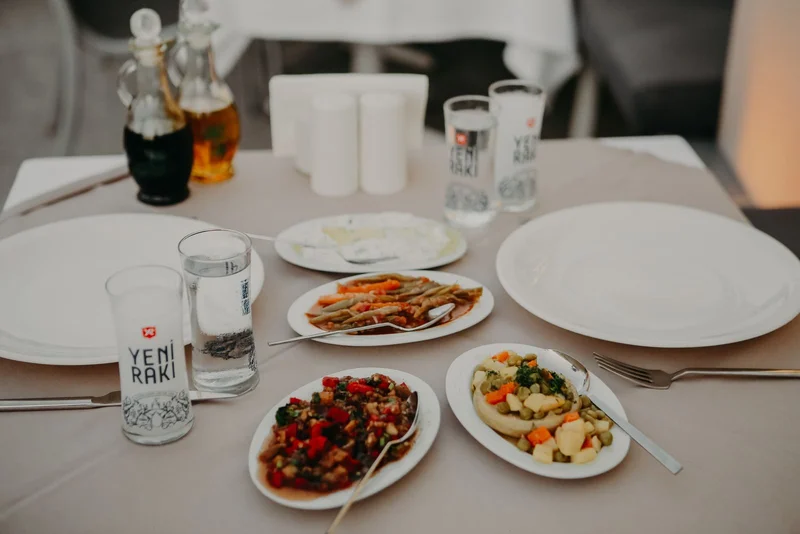 Istanbul
Where to Eat in Beyoğlu 2027: Istiklal, Galata and Cihangir – Dishes, Prices, Streets
Where to eat in Beyoğlu by street and hour: Cihangir breakfast, Karaköy lunch and baklava, Nevizade meyhane dinner, with reported 2026 prices and a food tour from $90.
Read More