

 Packing
What to Wear in Istanbul: Mosque Rules, Seasons and a Packing List
Dress as in any European city, plus one rule: in mosques women cover hair, shoulders and knees, men their knees. Pack a scarf and long trousers.
Browse our tours
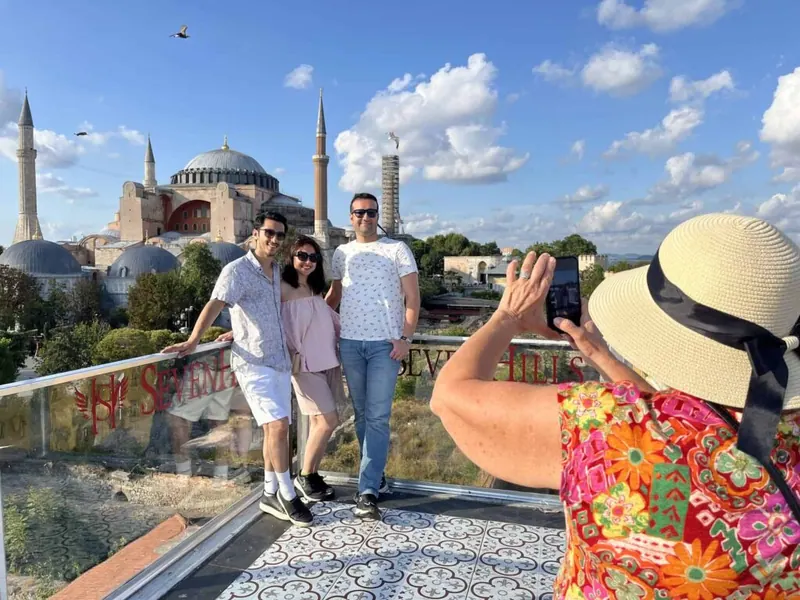
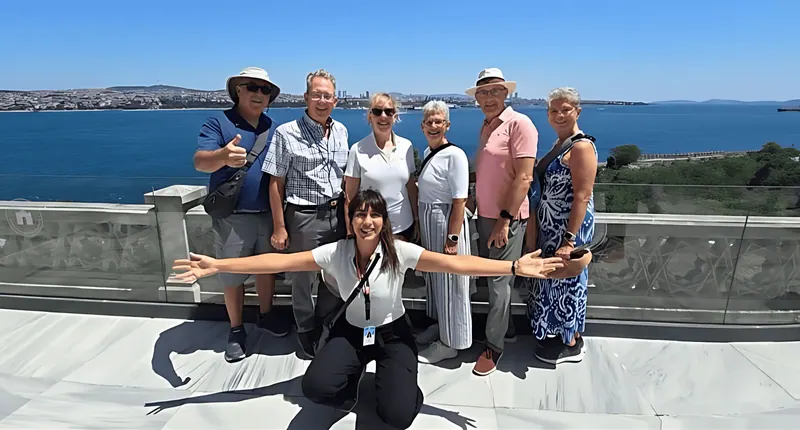
Wear what you would wear in Rome or Barcelona, plus one rule: for the mosques, women cover hair, shoulders and knees, and men cover their knees. A light scarf in your day bag and trousers or a long skirt solve almost every situation in Istanbul. The rest depends on the month: Istanbul averages a high of about 30°C (85°F) in July and about 10°C (49°F) in January, and Cappadocia before a sunrise balloon can be below freezing in winter.
Mosque dress code in Istanbul: the short version
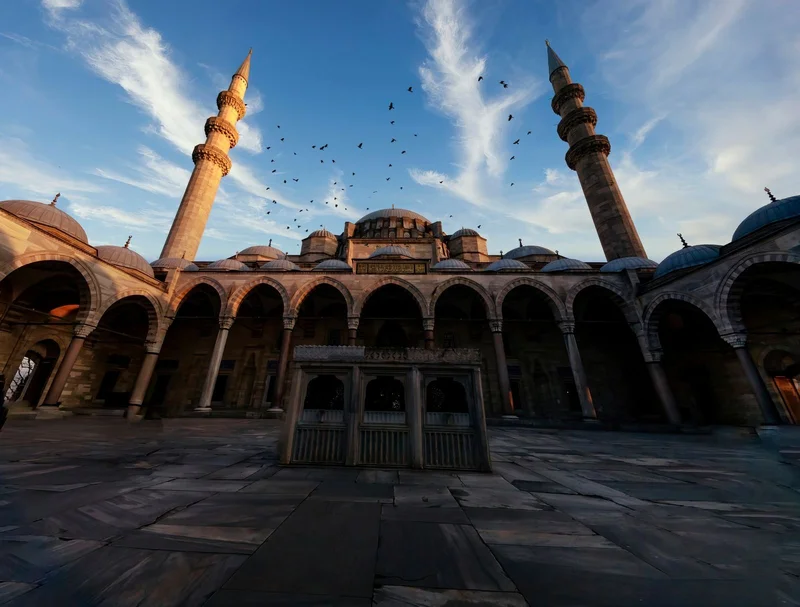
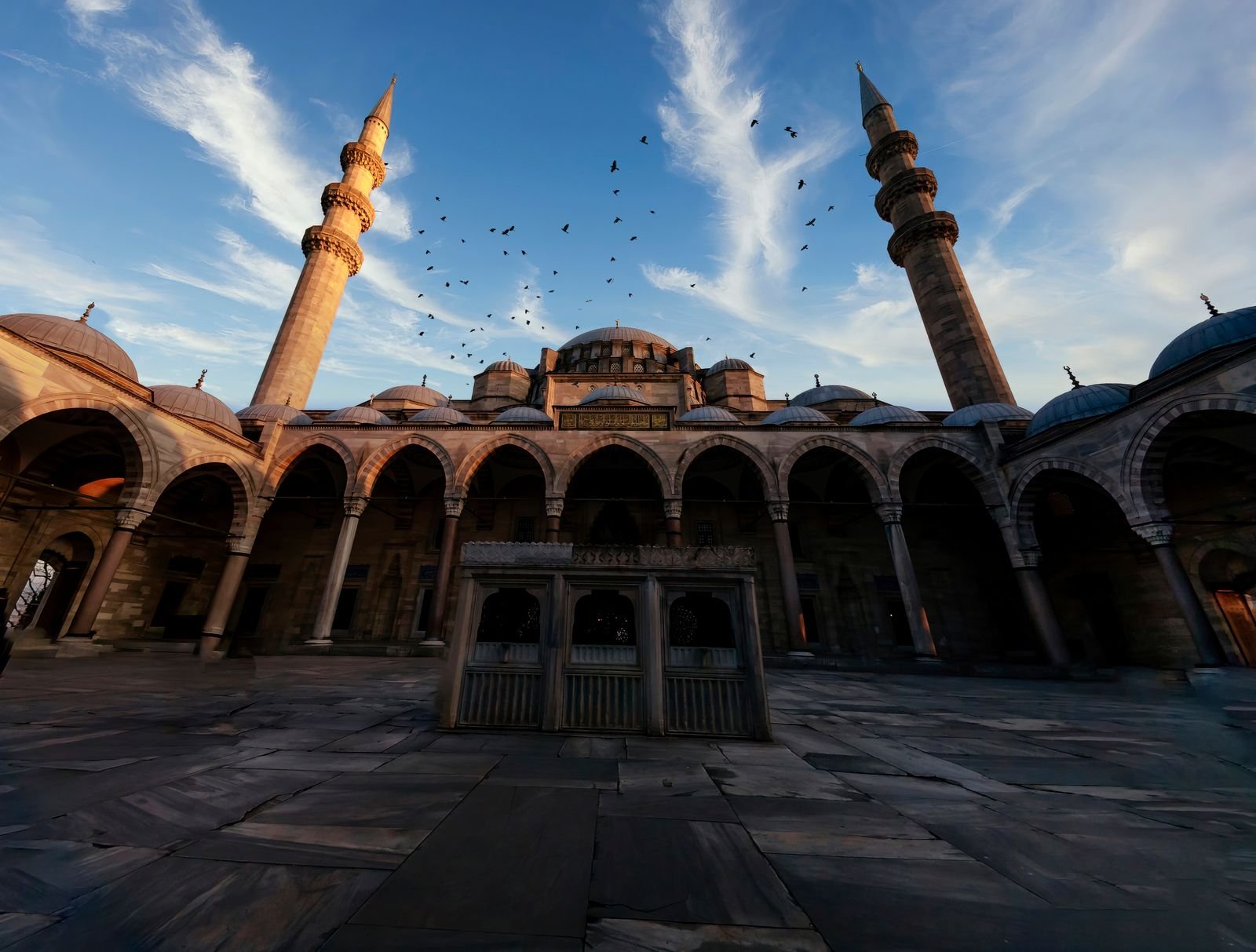
Every working mosque in Istanbul applies the same basic rules to visitors, and they are not negotiable at the door:
| Who | Must cover | Fine to wear | Not allowed inside |
|---|---|---|---|
| Women | Hair (a scarf, loosely tied is fine), shoulders, upper arms, knees | Long skirt or loose trousers, long-sleeved top or a shirt over a T-shirt | Shorts, mini skirts, tank tops, see-through fabric |
| Men | Knees and shoulders | Long trousers, T-shirt | Shorts above the knee, sleeveless shirts |
| Everyone | Feet go bare or in socks on the carpet | Shoes you can slip off in a queue | Shoes on the prayer carpet |
Shoes come off at the carpet line. Most mosques hand out plastic bags so you can carry them with you; a pair of clean socks is worth having in winter, when the marble outside is cold. The Blue Mosque lends headscarves and wraps at the visitor entrance, but the queue for them moves slowly and the wraps are shared, so bring your own scarf. Our Istanbul mosques tour takes a full day of 6 to 8 hours and covers four or five mosques with a guide.
Mosques close to sightseers during the five daily prayers, and the Friday noon prayer is the longest pause. Our guides on the Istanbul private tours plan the day around prayer times, so the dress code is the only part you have to think about.
What to wear in Hagia Sophia and the Blue Mosque
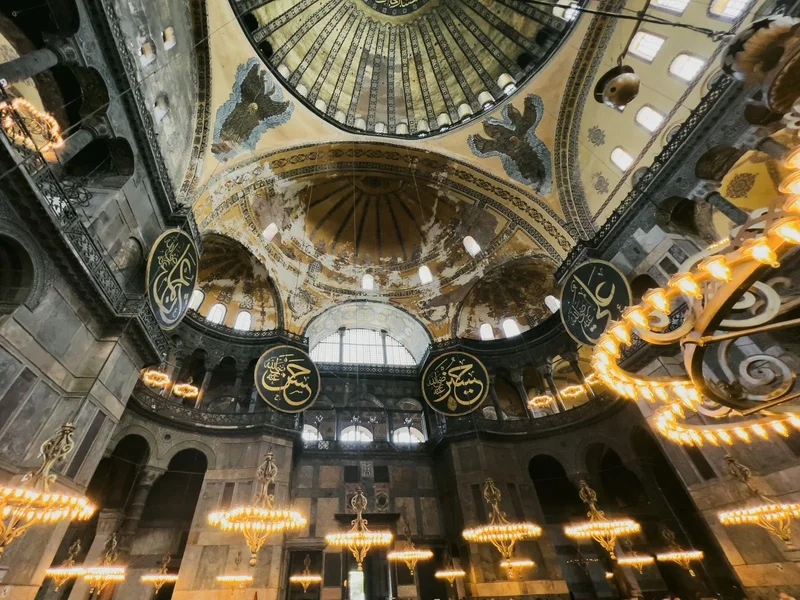
Hagia Sophia is a working mosque, so the same rules apply. Since 2024 foreign visitors enter on a separate route to the upper galleries with a ticket (€25 in 2026, prices change), while worshippers use the ground floor. The dress code is checked at the entrance; a T-shirt and shorts will get you turned away even with a ticket in hand.
The Blue Mosque is free to enter and checks clothing just as closely. The two buildings face each other across Sultanahmet Square, so most people visit both in one morning: dress once, for the stricter of the two, and you will not have to change.
What works for a woman on a warm day: a loose midi or maxi skirt, a linen shirt over a vest top, a cotton scarf. For a man: light chinos instead of shorts. On our Old City morning tour in a small group (6 hours, from $120 per person, Hagia Sophia ticket included), the guide reminds the group before each mosque, but there is nowhere to buy a skirt between the two buildings except tourist shops at tourist prices.
Churches, synagogues and Eyüp Sultan
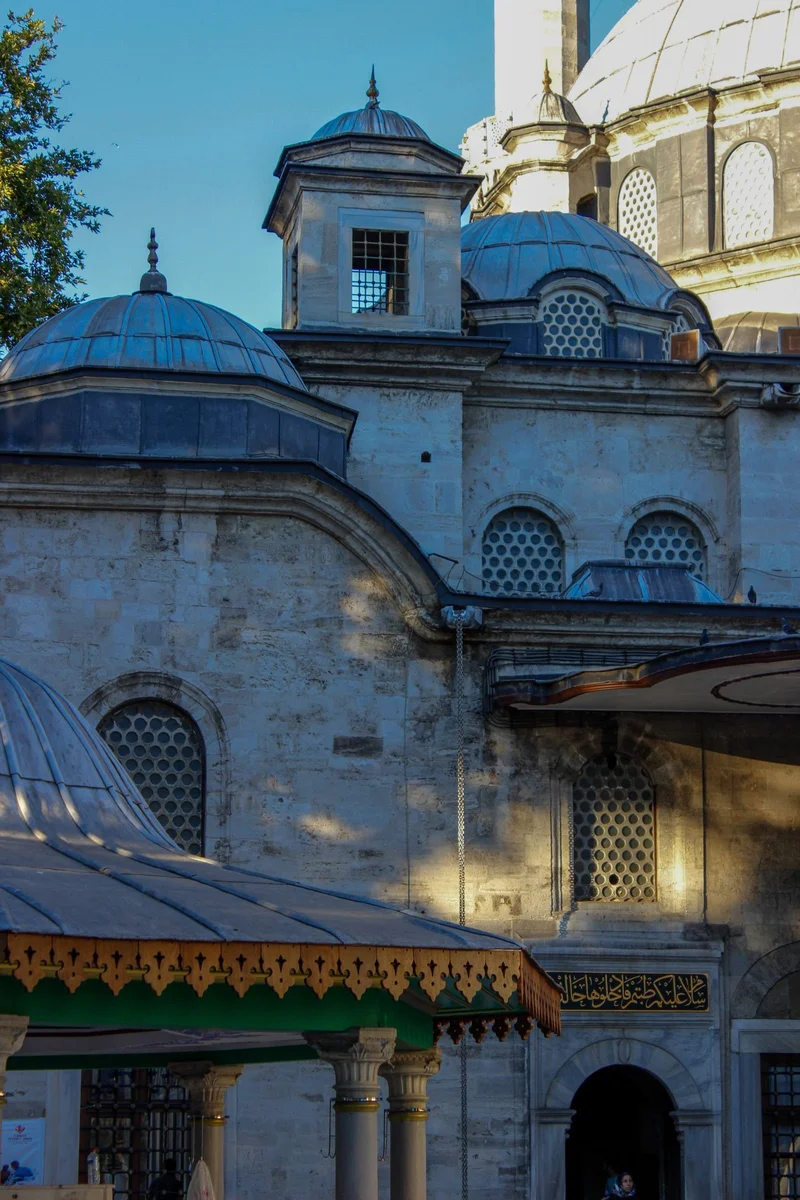
Greek Orthodox and Armenian churches in Istanbul ask for modest clothing, covered shoulders and no shorts, but women are not required to cover their hair. The Ecumenical Patriarchate in Fener is a working church with services, and visitors in beachwear are noticed. Our religious tours of Istanbul include a private day of active churches, from the Patriarchate in Fener to the churches on Istiklal Street (7 hours, from $180 per person, tickets and private van included).
Eyüp Sultan Mosque, at the top of the Golden Horn, is one of the most visited mosques in Istanbul and noticeably more conservative than Sultanahmet. Dress here as you would at Hagia Sophia, and keep the headscarf on in the courtyard as well. The full list of faith-based day tours is on the religious and biblical tours page.
What to wear in Istanbul by season
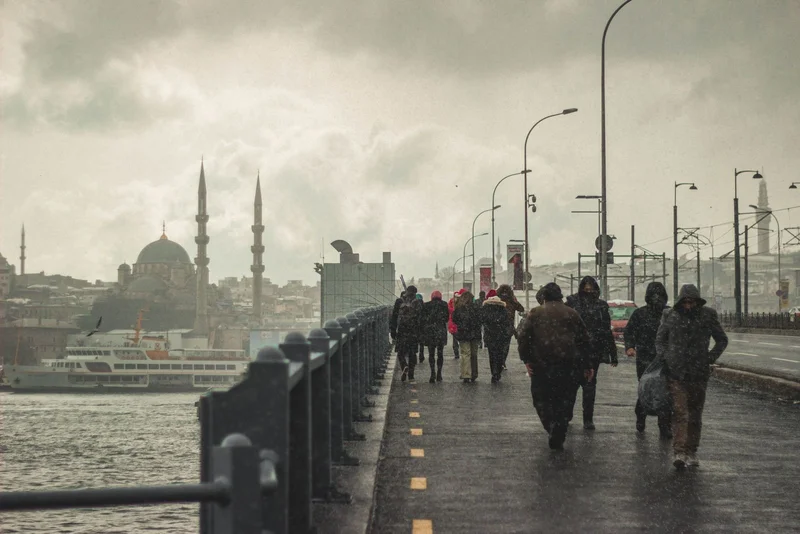
Istanbul is on the sea and gets wind from the Black Sea, so it feels colder than the number on your phone in winter and stickier in summer. Long-term averages from the Turkish State Meteorological Service (1950–2025):
| Months | Avg high / low | Rainy days a month | What to pack |
|---|---|---|---|
| December–February | 10–12°C / 4–7°C (49–53°F / 40–44°F) | 14–16 | Warm waterproof jacket, sweater, boots that cope with puddles, umbrella |
| March–April | 12–17°C / 6–9°C (54–63°F / 42–49°F) | 10–13 | Layers, light down or fleece, scarf |
| May–June | 22–27°C / 14–18°C (72–81°F / 56–64°F) | 5–8 | T-shirts, light trousers, one sweater for evenings on the water |
| July–August | about 30°C / 21°C (85°F / 69°F) | 3–4 | Linen, hat, sunscreen, a scarf for mosques that also keeps the sun off |
| September–October | 21–26°C / 14–18°C (69–79°F / 57–64°F) | 6–9 | Summer clothes plus a jacket for October evenings |
| November | 16°C / 10°C (61°F / 50°F) | 11 | Waterproof jacket, closed shoes |
Spring is the most misjudged season. April afternoons in the sun feel like summer, then the wind turns at sunset and a Bosphorus cruise needs a jacket. For a 4-day trip in March or April, pack for two seasons.
Summer in Istanbul: heat, mosques and the cruise
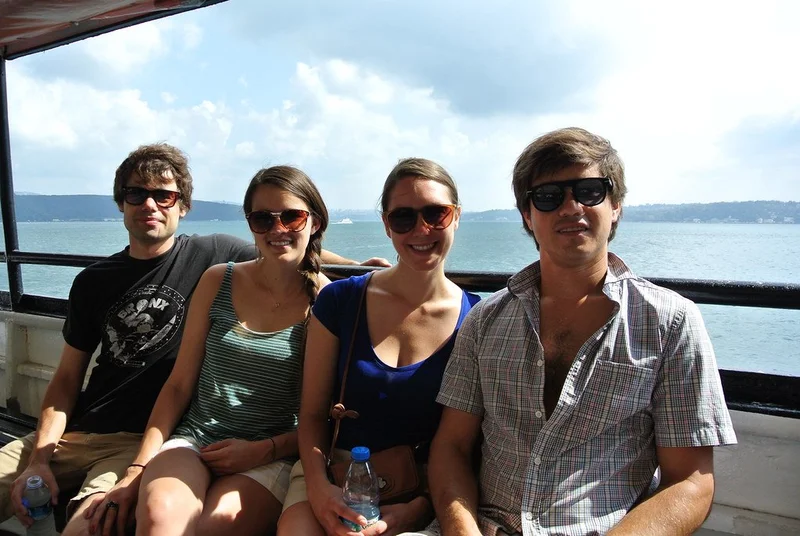
July and August are humid, and the Old City has little shade between Topkapi Palace and the Grand Bazaar. Shorts and sleeveless tops are normal on the street, in Karaköy cafés and on the ferries; nobody stares. The problem is only the mosques, and changing in and out of clothes all day is tiresome. The practical answer is wide linen trousers or a long cotton skirt that you wear all day, with a scarf in your bag.
Men who refuse to give up shorts on a hot day can wear knee-length ones, which pass at most mosques, or carry a pair of light trousers. Women who wear a sleeveless dress can put a shirt over it at the door.
Evening cruises are the exception to the heat. On the water after sunset it is several degrees cooler and windy, so a light sweater earns its space. The Bosphorus cruises in our Istanbul packages run in all seasons, and the dinner cruise in a 4-day package is the one evening when most travellers dress up a little.
Winter and rain: coats, boots and wet marble
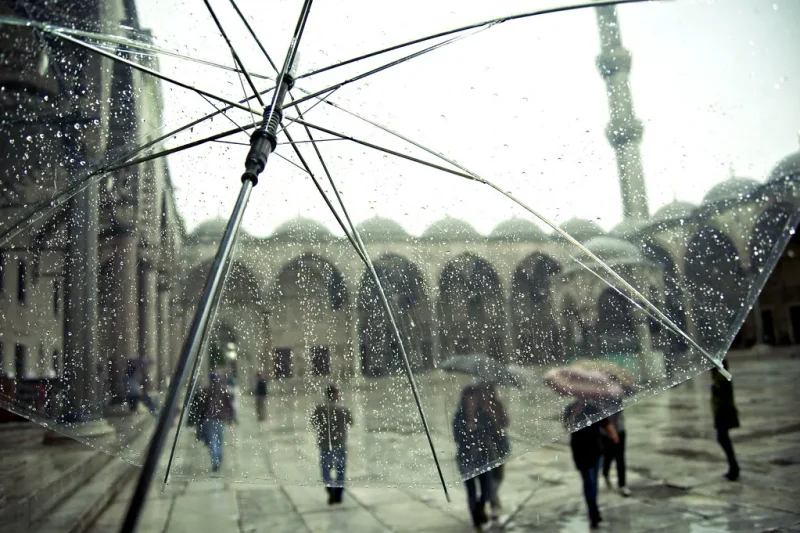
From December to February, Istanbul is grey and wet more often than snowy; the city averages around 15 rainy days a month. A waterproof jacket with a hood beats an umbrella on windy days by the water. Snow falls on some winter days and stops the city for a day or two, but it rarely lasts.
The marble in mosque courtyards and the old stone pavements are slippery when wet. Shoes with a rubber sole matter more in winter than a warm coat does. Because shoes come off at every mosque, lace-up boots are slow; ankle boots with a zip are easier.
Winter is cheap and quiet, with short queues at Topkapi and Hagia Sophia. Our page on things to do in Istanbul in winter covers what stays open and what is better indoors.
Shoes for hills, stairs and cobblestones
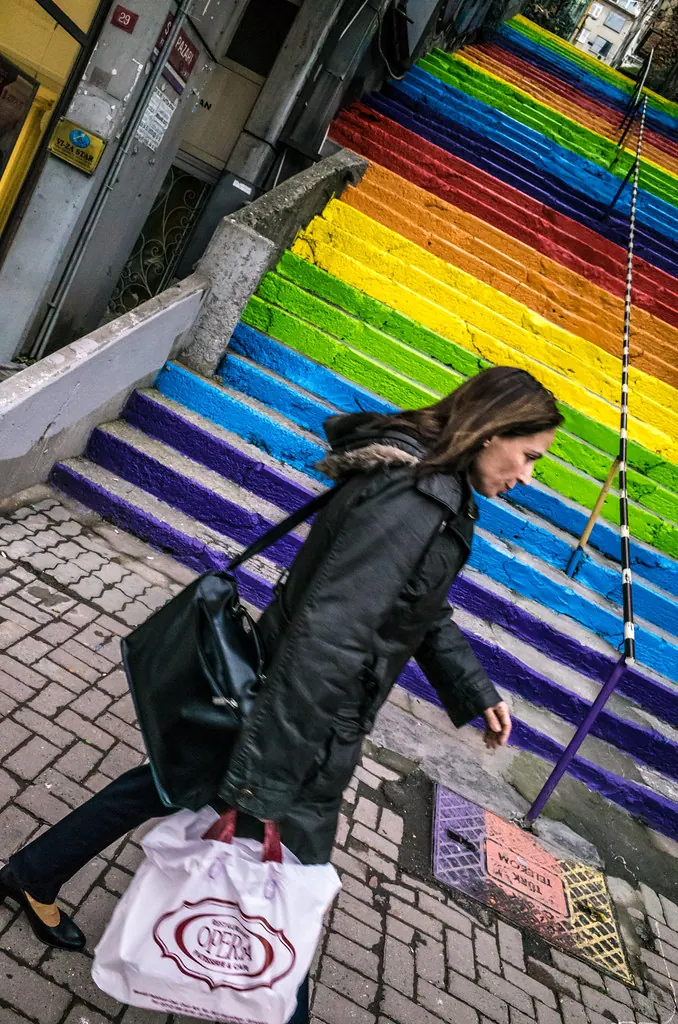
Istanbul is built on hills. The walk from Karaköy up to Galata Tower, Cihangir's stairs, the climb in Balat and the uneven stones around the Grand Bazaar all punish thin soles. A full day in the Old City is easily 15,000 steps. Bring comfortable walking shoes you have already worn in; this is not the trip to break in new ones.
Sandals are fine in summer if they have a back strap. Heels are hard work on cobblestones, and in the evening most restaurants, even smart ones on the Bosphorus, accept clean trainers or flat shoes.
If walking is a concern, a private car changes the day. The Istanbul trips on our Istanbul private tours page include versions with a Mercedes Vito and driver, so you can leave the coat or the shopping in the car and skip the climbs.
Cappadocia, Pamukkale and the coast: packing beyond Istanbul
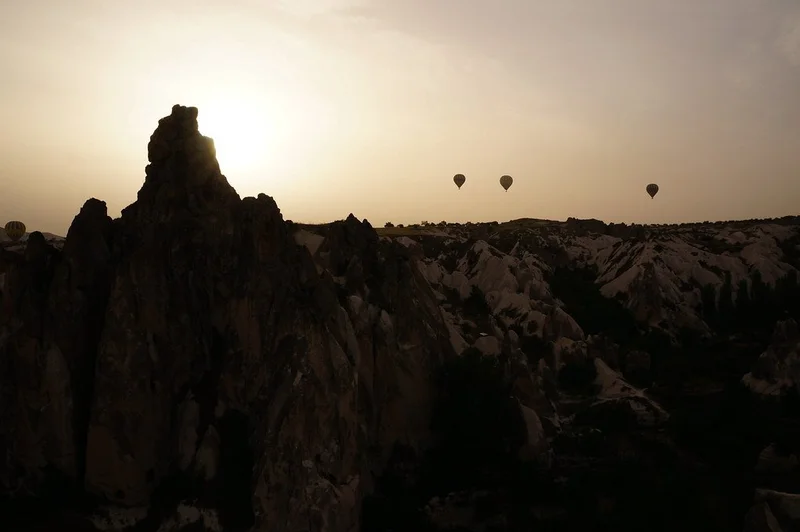
If your trip continues to Cappadocia, pack for a different climate. It sits on a high plateau, and the average low in Nevşehir is about 7°C (44°F) in October, 3°C (37°F) in November and -4°C (26°F) in January. Balloon pick-ups are before dawn, so even in summer, when the low is around 14°C (57°F), a fleece or a warm jacket is needed for the first hour. In winter, add gloves and a hat. Flat shoes with grip help in the valleys and the underground cities.
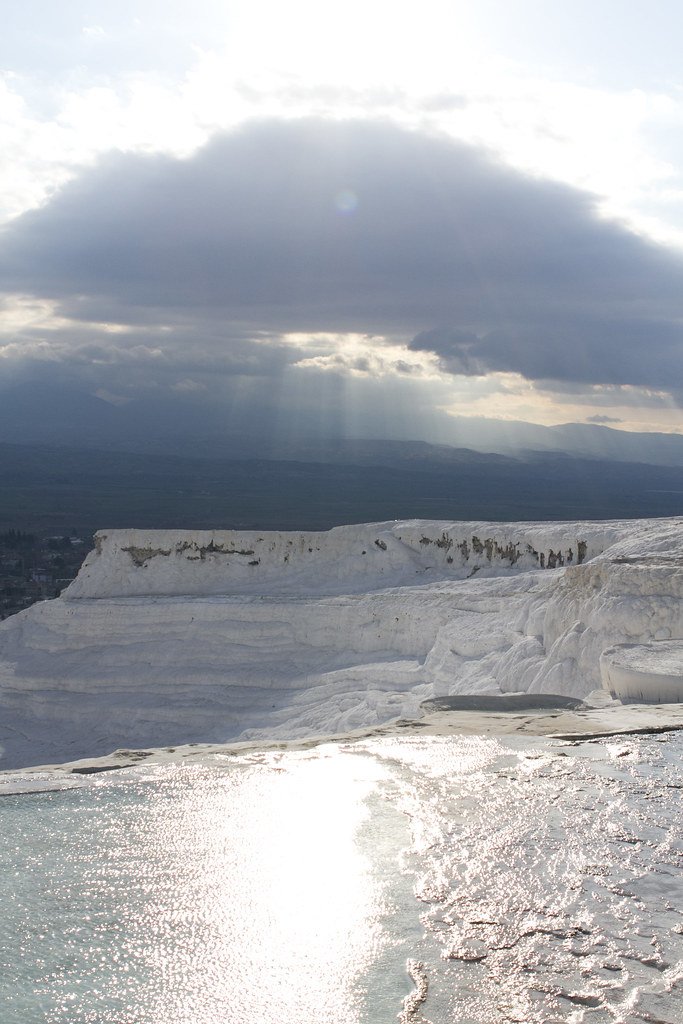
At Pamukkale, shoes are not allowed on the white travertine terraces; you walk barefoot, and the calcium surface is rough in places. Wear sandals you can carry, and a swimsuit under your clothes if you want to wade in the pools. Ephesus is a big open site of marble streets with almost no shade: hat, sunscreen and water from May to September.
On the coast (Antalya, Bodrum, Kuşadası), beach clothes are normal in resort areas. Cover up when you walk into town or visit a mosque. Most of our Istanbul packages can be extended to Cappadocia, and the full multi-city routes list each region's plan day by day.
A packing list for Turkey
Seasonal clothing aside, this is what we would put in the case for a 7- to 10-day trip from North America or Spain:
- A large scarf or pashmina, the most useful item on the list: headscarf, shoulder cover, sun shade, warm layer on the plane.
- Two pairs of long, light trousers or long skirts, even in August.
- One jacket that blocks wind, and a fleece or sweater for Cappadocia mornings.
- Walking shoes you have worn before, plus sandals or slip-ons for mosques and Pamukkale.
- Socks without holes: shoes come off at every mosque, and in some traditional restaurants and homes.
- Swimsuit, for a Turkish bath, Pamukkale's pools and the coast. In a hammam you are given a cotton wrap.
- Power adapter: Turkey uses the European two-pin plug, 230 V. Travellers from the USA, Canada and Mexico need an adapter; from Spain you do not.
Turks dress neatly in the cities, and in Istanbul you will see everything from headscarves to crop tops on the same tram. Visitors are not expected to look local, only to follow the rules at religious sites.
Frequently Asked Questions
Do women have to cover their hair in Istanbul?
Only inside mosques, including Hagia Sophia and the Blue Mosque, and in their courtyards at the more conservative ones such as Eyüp Sultan. On the street, in museums, restaurants and churches, there is no rule. Carry a scarf in your day bag so you can put it on at the door.
Can I wear shorts in Istanbul?
Yes, on the street, in cafés, on ferries and at most museums. Not inside mosques: men need trousers or shorts that cover the knee, and women need clothing to the knee or longer. Many visitors wear light long trousers all day to avoid changing.
What should I wear to Hagia Sophia?
Women: a headscarf, covered shoulders and arms, and a skirt or trousers below the knee. Men: long trousers or knee-length shorts and a shirt with sleeves. Visitors follow the same rules as worshippers, and staff check clothing at the entrance.
Is there a dress code for the Topkapi Palace?
No. Topkapi Palace and the Basilica Cistern are museums, so normal summer clothes are fine. The dress code applies to working mosques, and Topkapi is often visited on the same day, so plan your outfit for the mosque.
What should I pack for Istanbul in October?
Summer clothes for the day, when highs average about 21°C (69°F), plus a jacket for evenings, which fall to about 14°C (57°F), and a light waterproof layer for the rainier second half of the month. If you go on to Cappadocia, add a warm jacket for early mornings.
Do I need special clothes for a Turkish bath?
No. The hammam gives you a cotton wrap and slippers, and many people wear swimwear underneath. Bring a change of underwear and a comb; the rest is provided.
Private tours in Istanbul
Hagia Sophia (Ticket Included), Blue Mosque & Grand Bazaar Tour
A small-group tour of the Hippodrome, Blue Mosque, Hagia Sophia and Grand Bazaar with hotel pick-up and entrance fees.
Best of Istanbul Private Tour, 1-3 Days with Professional Guide
A licensed private guide for 1, 2 or 3 days in Istanbul: the Old City, the Bosphorus and the Golden Horn, planned around your interests.
Related guides
- Wheelchair Accessible Transfer in Istanbul: Ramp Vans for Airports and Tours
- Where to Stay in Istanbul: 6 Areas Compared, with Our Hotels
- Whirling Dervish Show Istanbul Tickets 2027: Book Seats for Tonight from $60
- White-Label Turkey Tours for Resellers: Your Brand, Our Operation
- Yacht Party Istanbul 2027: Birthday, Proposal and Event Yachts
- Yacht Rental in Istanbul 2027: Hourly Prices, Bosphorus Route and Booking for Russian Travellers
- Yacht Rental Istanbul 2027: Prices from $190 per Hour, Boats and Piers
- Yacht Tour Istanbul 2027: Private Bosphorus Yacht Tours, Routes and Hourly Prices
- Yacht Wedding Istanbul 2027: Bosphorus Boat Weddings for 2 to 72 Guests, Prices and Plan
- 3-Day Istanbul Private Tour: Day-by-Day Itinerary with a Guide
- Abant and Bolu from Istanbul 2027: Day Trip by Private Car
- Arabic-Speaking Guide in Istanbul: Private Tours with a Driver