Travel TipsIstanbul24 October 202611 min read
Is Food in Turkey Halal? Meat, Pork, Alcohol and What to Check
Is food in Turkey halal? Meat is Islamic-slaughtered in practice, but certification is voluntary. Pork labels, alcohol-free places, gelatin and 7 Turkish words.
In this article
- Is food in Turkey halal? What "halal" means here
- Is all meat in Turkey halal?
- Pork in Turkey: where it is and how it is labelled
- Do restaurants in Turkey serve alcohol?
- How to find halal-certified restaurants in Istanbul
- Fast food, sweets and gelatin: the hidden questions
- Why processed meat deserves a second look
- Muslim-friendly hotels, breakfast and prayer
- A short Turkish food vocabulary for halal eating
- Eating halal in Istanbul with a local guide
- Travelling from Malaysia, Indonesia, Pakistan and the Gulf
- Frequently Asked Questions
Yes, in practice almost all the beef, lamb and chicken you eat in Turkey is halal, because Turkish slaughterhouses use the Islamic method as standard and pork is rare and clearly labelled. But is food in Turkey halal in the strict sense a certified traveller expects? Not automatically: halal certification is voluntary, many restaurants serve alcohol, and the Ministry of Agriculture's own fraud list has found pork in processed meat more than once.
That gap between "practically halal" and "certified halal" is what most Muslim visitors from Malaysia, Indonesia, Pakistan and the Gulf ask us about before they arrive. The short answer is that a normal kebab house in Istanbul is fine for most travellers, and that a few simple checks cover the rest.
| Quick facts | Halal food in Turkey |
|---|---|
| Beef, lamb, chicken | Islamic slaughter is the standard practice |
| Pork | rare; sold in a few licensed shops and labelled domuz |
| Alcohol | served in many restaurants, absent in many others |
| Halal certificates | voluntary; bodies accredited by HAK issue them |
| Fast-food chains | no pork on menus; certificates vary by brand |
| Turkish delight | traditionally made with starch, not gelatin |
| Words to know | helal, domuz, alkolsüz, alkol var mı? |
Is food in Turkey halal? What "halal" means here
Turkey is a secular state with a Muslim-majority population, and that shapes the food in two ways. On one side, the meat supply grew up around Muslim customers. Butchers, slaughterhouses and kebab houses work with beef, lamb, veal and chicken, and nobody in a normal Turkish kitchen expects to handle pork. On the other side, the state does not police religious rules at the table. Alcohol is legal and widely served, and a restaurant does not need any halal paperwork to open.
So the useful question is not whether Turkey is halal, but which parts of a meal you want to verify. For most Muslim travellers that means three things: how the meat was slaughtered, whether there is pork in processed products, and whether alcohol is served at the table or used in the cooking.
Turkish home cooking almost never uses wine in sauces, unlike French or Italian cuisine. The risk of alcohol in your plate is low in Turkish restaurants and higher in international ones, such as Italian or fusion places in Beyoğlu and Nişantaşı.
Is all meat in Turkey halal?
In everyday practice, yes. Animals in Turkish slaughterhouses are slaughtered by Muslim workers who say the tekbir, and the meat in an ordinary döner shop, köfte house or lokanta comes from that chain. When locals say "everything here is halal", this is what they mean. Travelling with children? See our list of places to visit in Istanbul with family, with private tour prices.
There is a caveat, and it comes from the halal sector itself. GİMDES, one of Turkey's private halal certifiers, has said publicly that many people assume all meat is halal because Turkey is a Muslim country, while some slaughter practices, such as some ways of making the animal unconscious before the cut, do not meet its criteria. For travellers who follow a strict standard, the answer is a certified restaurant or a certified supplier; for most visitors, a busy local restaurant is enough.
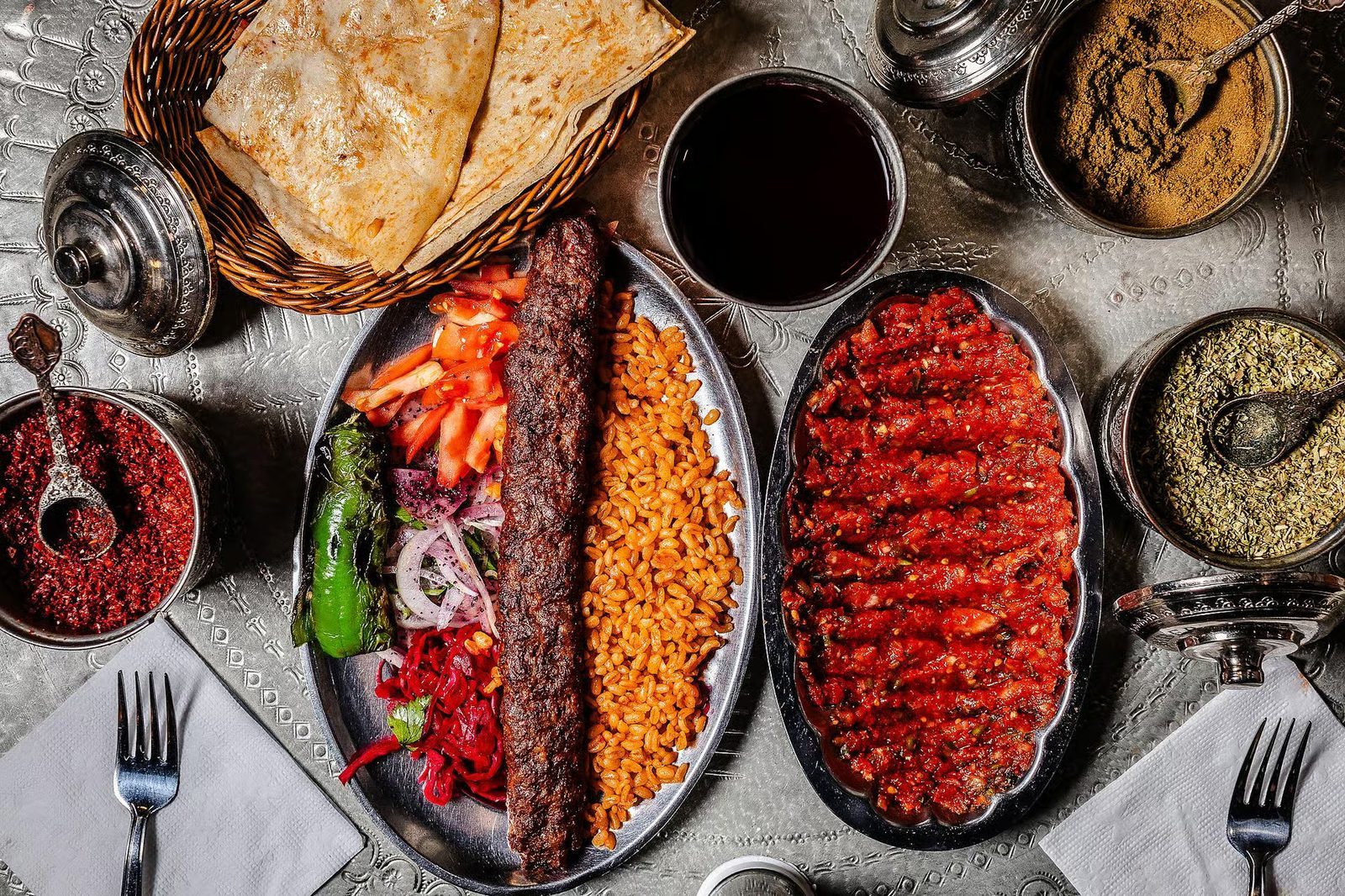
Chicken and processed meat deserve the most attention. Large poultry plants are industrial, and stricter travellers often prefer red meat cut in front of them, such as Adana kebab or şiş, over nuggets or ready-made products.
Pork in Turkey: where it is and how it is labelled
Pork exists in Turkey but stays on the margins. According to the trade journal Pig Progress, the agriculture ministry has refused new applications for pig farms since 2004, and pork mainly reaches Christian minorities, foreign residents and tourists. In Istanbul it is sold in a handful of licensed delicatessens and in some international supermarket sections, always behind a sign that reads domuz eti (pork).
On menus, the word to watch is the same: domuz. It appears in a few Italian, Spanish or German restaurants, mainly in Beyoğlu, Cihangir, Nişantaşı and the expat parts of the city. A Turkish kebab house, pide salon or fish restaurant will not have it.
Two words confuse visitors. Jambon in a Turkish supermarket usually means turkey or beef ham; the packet says hindi (turkey) or dana (beef) on the front. Bacon on hotel breakfast buffets is almost always beef bacon, labelled dana bacon. If the label does not say which animal, ask.
Do restaurants in Turkey serve alcohol?
Many do, and this is the biggest practical difference from the Gulf or Malaysia. Fish restaurants and meyhanes are built around rakı, and tourist restaurants in Sultanahmet, Taksim and Karaköy usually have beer and wine on the menu. Hotel bars are standard.
At the same time, a large share of Istanbul's eateries are completely alcohol-free. Kebab houses, lokantas serving home-style dishes, pide and lahmacun salons, pudding shops, baklava shops and most breakfast cafés do not serve alcohol at all. Whole districts lean that way: around Fatih, Eyüp, Üsküdar and Çarşamba it is hard to find a beer.
To check quickly, look at the drinks section of the menu or the fridge by the door. If you see ayran, şalgam and soft drinks but no Efes beer or rakı, the place is dry. Or ask the waiter "alkol var mı?" (is there alcohol?). Restaurants that cater to Gulf visitors sometimes advertise alkolsüz (alcohol-free) on the window.
How to find halal-certified restaurants in Istanbul
Certification in Turkey has two layers. The state body Helal Akreditasyon Kurumu (HAK), set up in 2017, does not certify restaurants itself. According to its own statements, it accredits the certification bodies that do, and it publishes their names and scopes on hak.gov.tr. The certificates you see on restaurant walls come from those bodies, for example the Turkish Standards Institution (TSE) or private certifiers such as GİMDES.
In practice, certified restaurants are a minority. You will find certificates more often at hotels and chains that target Gulf and Southeast Asian visitors, at some large kebab and köfte chains, and at food producers that export. A framed certificate should show the certifier's name, the scope (restaurant, slaughter or product) and a validity date. If it has expired, ask why.
For most of our Malaysian, Indonesian and Gulf guests, the workable middle path is simple: eat at busy local kebab houses and lokantas, avoid processed meat from unknown brands, and choose alcohol-free places when that matters to you. Our guides know which ones in each area fit that description.
Fast food, sweets and gelatin: the hidden questions
Global chains in Turkey such as McDonald's, Burger King and KFC do not have pork on their Turkish menus, and they buy meat from Turkish suppliers. Whether a specific chain holds a current halal certificate is a different matter, and we could not find published certificates for every brand. If you follow a strict standard, ask at the counter or check the brand's Turkish website before you order.
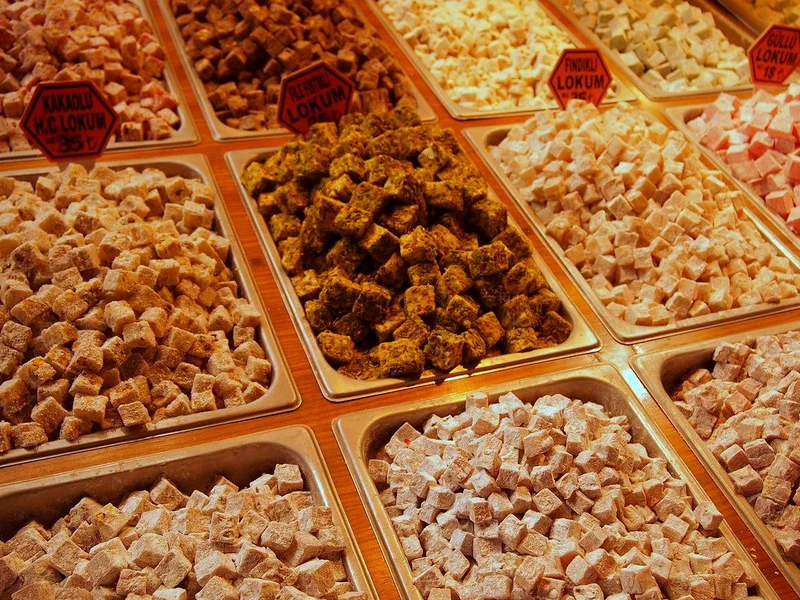
Sweets are easier than many visitors fear. Traditional Turkish delight (lokum) is made from sugar and starch, with nuts or rosewater; gelatin is not part of the classic recipe. Baklava is pastry, butter or oil, nuts and syrup. Gummy sweets are the one area to check. Turkey has domestic producers of certified bovine gelatin, and Haribo says its products made in Turkey use 100 percent beef gelatin. Turkey's Presidency of Religious Affairs (Diyanet) has ruled that gelatin of unknown origin should not be used in food for Muslims, so imported sweets without a clear label are worth skipping.
Yoghurt, cheese and ice cream are generally made locally, but imported desserts in international cafés can contain gelatin. Turkish packaging lists it as jelatin, often with the source: sığır (bovine) or domuz (pork).
Why processed meat deserves a second look
Turkey's Ministry of Agriculture and Forestry publishes a public list of adulterated foods at guvenilirgida.tarimorman.gov.tr, naming the company, the product and the problem. The list is updated through the year; Hürriyet reported that 29 new products were added on 3 July 2026 alone. Pork has appeared on it in products sold as beef, mostly in salami, sausages, köfte and döner. In October 2024 the ministry listed a national köfte chain after tests found pork in samples, which the company disputed in court.
This does not mean Turkish meat is unsafe for Muslim travellers. It means the risk sits in cheap processed products, not in whole cuts. Our practical rule for guests is short:
- Prefer meat you can see being cut or grilled: şiş, Adana, chops, iskender from a visible döner.
- Buy sucuk (spicy sausage) and salami from known brands or certified shops.
- Be wary of very cheap döner in tourist strips.
- If you want to check a brand, search its name on the ministry list.
Muslim-friendly hotels, breakfast and prayer
Turkish hotel breakfasts are mostly safe ground: eggs, cheeses, olives, honey, bread and beef sucuk. The items to check are cold cuts and bacon, which in international chains may be labelled only in English. Ask for the label or skip them.
For families who want more, Turkey has a large market of conservative or "halal-concept" hotels, especially on the Antalya and Alanya coast, with no alcohol, separate pools and spa hours for women, and halal-certified kitchens. In Istanbul, a number of hotels in Fatih and Sultanahmet are alcohol-free, and nearly all hotels can tell you the qibla direction and lend a prayer mat.
Prayer is easy on the road. There is a mosque in every neighbourhood, and every motorway service area has a prayer room (mescit). On our tours, guides plan stops around prayer times on request, which our Muslim-friendly Turkey tours page explains in more detail. In Ramadan the rhythm of the city changes again; see our guide to Istanbul during Ramadan.
A short Turkish food vocabulary for halal eating
| Turkish | English | Use it when |
|---|---|---|
| Helal mi? | Is it halal? | asking about meat |
| Domuz eti | pork | reading labels and menus |
| Dana / kuzu / tavuk | beef / lamb / chicken | choosing a dish |
| Alkol var mı? | Is there alcohol? | checking a restaurant |
| Alkolsüz | alcohol-free | reading signs |
| Jelatin (sığır) | gelatin (bovine) | reading sweet packets |
| Mescit nerede? | Where is the prayer room? | malls, service areas |
Most waiters in central Istanbul understand the English word halal anyway, but the Turkish questions get faster and more specific answers outside the tourist areas.
Eating halal in Istanbul with a local guide
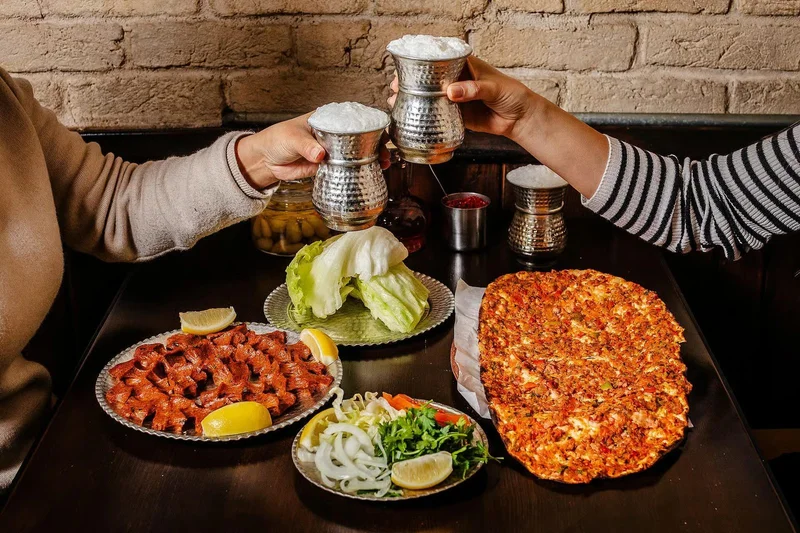
If the question of whether food in Turkey is halal still worries you, the easiest way to eat well and without doubts is to let someone who lives here choose. Our Istanbul street food tour runs for six hours through local neighbourhoods and dessert shops, from $90, with stops at alcohol-free kebab houses, lokantas and baklava makers. We can run it fully alcohol-free on request. For a fully private version, see our private Istanbul food tour, and our list of 15 Istanbul street foods with prices shows what to order.
Many of our Muslim guests combine food with mosques: a morning at the Süleymaniye and the Blue Mosque, lunch at a lokanta nearby, and an afternoon in the Spice Bazaar. Prices for our tours change with the season and group size, so message us for today's price. All city options are on our Istanbul tours page.
Travelling from Malaysia, Indonesia, Pakistan and the Gulf
Malaysian and Saudi citizens can enter Turkey without a visa for short tourist stays, while Indonesian and Pakistani passport holders generally need an e-visa or a visa issued before travel; check the official e-visa site, evisa.gov.tr, for your passport before booking. Turkish Airlines flies direct to Istanbul from Kuala Lumpur, Jakarta, Karachi, Lahore, Islamabad, Riyadh and Jeddah, among others.
Malaysian families often ask for the same things: halal food without doubts, prayer stops and a relaxed pace. Our Istanbul tour package from Malaysia shows how we plan that day by day, with Cappadocia added for most groups.
Frequently Asked Questions
Is all meat in Turkey halal?
In everyday practice almost all beef, lamb and chicken in Turkey is slaughtered by the Islamic method, and pork is rare and labelled domuz. Halal certification is voluntary, though, and some certifiers say not every slaughter practice meets their criteria. Strict travellers choose certified restaurants and avoid cheap processed meat.
Is food in Istanbul halal?
Food in Istanbul is halal in most local restaurants, because kebab houses, lokantas, pide salons and dessert shops use beef, lamb and chicken and do not serve pork. The main things to check are alcohol, which many tourist and fish restaurants serve, and processed meats such as salami from unknown brands.
Do restaurants in Turkey serve pork?
Very few restaurants in Turkey serve pork, mostly Italian, Spanish or German places in expat areas of Istanbul such as Beyoğlu and Nişantaşı. When pork is on a menu or a label it is written as domuz. Turkish kebab houses, lokantas, pide salons and fish restaurants do not serve it.
How do I know if a restaurant is alcohol-free?
A restaurant in Turkey is usually alcohol-free if its menu and fridge show only ayran, şalgam, tea and soft drinks, with no Efes beer or rakı. You can also ask "alkol var mı?". Kebab houses, lokantas, pide salons, baklava shops and most places around Fatih, Eyüp and Üsküdar serve no alcohol.
Are McDonald's and KFC halal in Turkey?
McDonald's and KFC in Turkey do not sell pork and buy meat from Turkish suppliers that use Islamic slaughter, so most Muslim visitors eat there without concern. We could not find a published halal certificate for every chain and branch, so travellers who require certification should ask at the counter or check the brand's Turkish website.
Is Turkish gelatin halal?
Gelatin made in Turkey is mostly bovine and several Turkish producers hold halal certificates, and Haribo says its Turkish-made sweets use 100 percent beef gelatin. Imported products may contain pork gelatin, so check the label for jelatin (sığır) or jelatin (domuz) and skip sweets whose gelatin source is not stated.
Written by the Get Istanbul Tours team: licensed local guides and trip planners based in Istanbul.
Leave a Comment
Private tours in Istanbul
Istanbul Street Food Tour with a Local Guide, 6 Hours
Taste Turkish street food, baklava, tea and coffee with a local guide on a walk through Istanbul's authentic neighbourhoods and markets.
Best of Istanbul Private Tour, 1-3 Days with Professional Guide
A licensed private guide for 1, 2 or 3 days in Istanbul: the Old City, the Bosphorus and the Golden Horn, planned around your interests.
Related articles
 Travel Tips
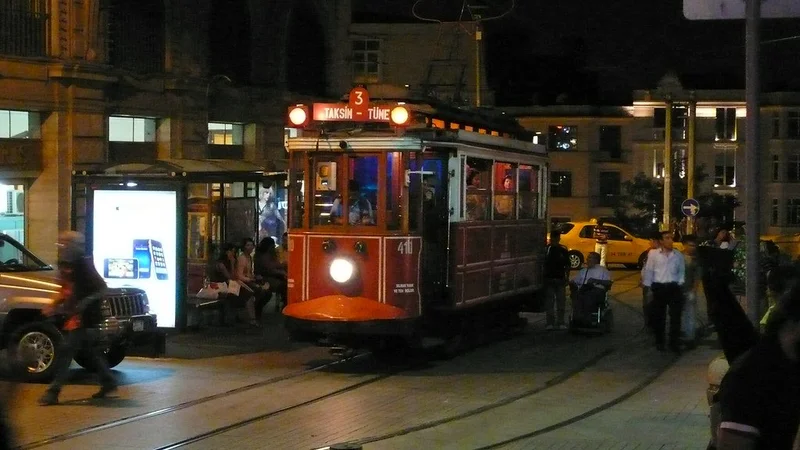
Where to Eat in Taksim 2027: Istiklal Street, Side Streets and What to Order, with Prices
Where to eat in Taksim: grill houses, meyhane streets, lokanta lunches and street food, with what to order and dinner costs of 1,200 to 3,000 TL.
Read More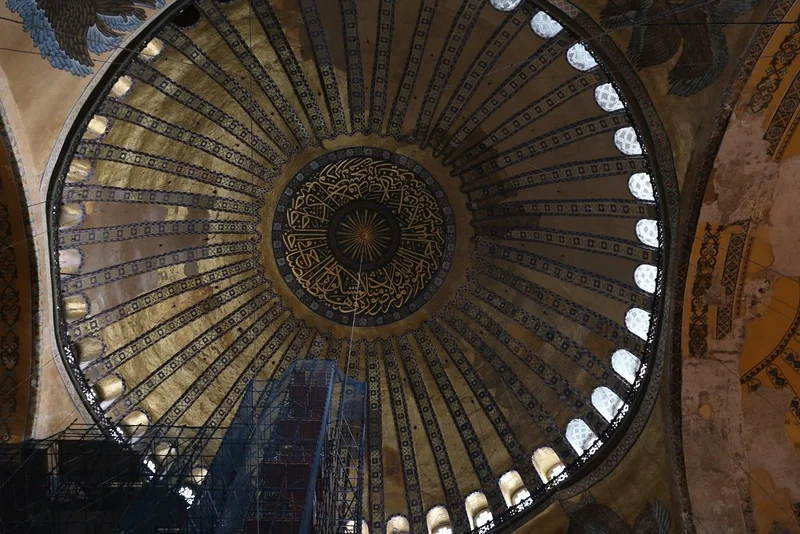 Itineraries
Istanbul 8 Day Itinerary 2027: Day by Day with Bosphorus, Islands, Bursa and Costs
Istanbul 8 day itinerary: Old City, Topkapi, Bosphorus, Princes' Islands and a Bursa day trip, with entrance fees and our 8-day private package from $1,499.
Read More Istanbul
Where to Eat in Beyoğlu 2027: Istiklal, Galata and Cihangir – Dishes, Prices, Streets
Where to eat in Beyoğlu by street and hour: Cihangir breakfast, Karaköy lunch and baklava, Nevizade meyhane dinner, with reported 2026 prices and a food tour from $90.
Read More