Travel TipsIstanbul12 November 202615 min read
Is Turkey Safe to Visit in 2027? Current Travel Advisories, Areas to Avoid and Tourist Tips
Turkey is Level 2 for the US and the UK warns only against the 10 km Syrian border zone. What the advisories say, scams in Istanbul and tips for a safe trip.
In this article
- What the US State Department says about Türkiye
- What the UK FCDO says
- Which areas to avoid, and which are fine
- Is Istanbul safe for tourists? What actually goes wrong
- Methanol, spiked drinks and other warnings from the Foreign Office
- Earthquakes: what a tourist should know
- Women travellers, solo travellers and families
- Demonstrations and public order
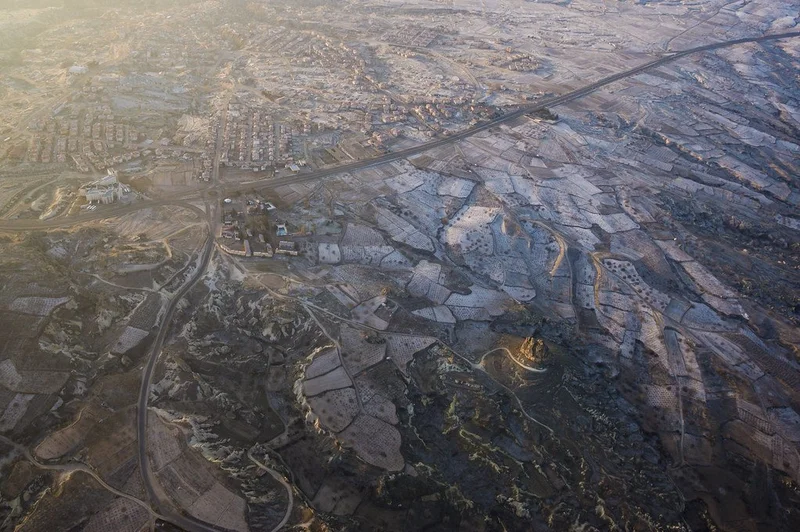
- Is Cappadocia safe? And the coast?
- 14 practical tips for a safe trip
- How a private guided tour reduces the risks
- Frequently asked questions
Yes, Turkey is open and Istanbul, Cappadocia and the Aegean and Mediterranean coast see millions of visitors a year, but the answer depends on where you go. The US State Department lists Türkiye at Level 2, "exercise increased caution", and tells travellers not to go to the border region with Syria and Iraq. The UK Foreign Office (FCDO) advises against all travel within 10 km of the Syrian border and nothing else. The tourist routes, Istanbul, Cappadocia, Pamukkale, Ephesus and Antalya, sit far from both zones. Below: what each government actually says, what goes wrong for tourists in practice, and how we run our own private guided tours in Istanbul day to day.
| Quick facts (checked 12 November 2026) | |
|---|---|
| US State Department | Level 2, exercise increased caution (terrorism, armed conflict, arbitrary detentions); Level 4 only for the border region with Syria and Iraq |
| UK FCDO | Advises against all travel within 10 km of the Syrian border; page updated 27 October 2026 |
| Istanbul foreign visitors, 2025 | About 18.97 million, reported from Istanbul tourism directorate figures |
| Emergency number | 112 (police, ambulance, fire, wildfire) |
| Most common problems for tourists | Taxi overcharging, pickpocketing, bar bills, fake guides, counterfeit banknotes |
| Our private day tours | From $180 to $200 for a full day in Istanbul; Cappadocia package from $750 per person |
What the US State Department says about Türkiye
The advisory on travel.state.gov carries Level 2 for the country as a whole, with the stated reasons terrorism, armed conflict and arbitrary detentions. The page lists a separate Level 4, "do not travel", for the border region with Syria and Iraq. The most recent update we could find was dated 9 June 2026.
Two points that the headlines tend to blur. First, some news stories this year described a "Do Not Travel" warning for Turkey. That wording applies to the border zone in the south-east, not to the country, and not to any city on a normal tourist itinerary. Second, Level 2 is the second-lowest of the four levels. It is a prompt to pay attention, not a recommendation to stay away.
The "arbitrary detentions" line is worth a practical note. The advisory points at cases where foreigners were held over social media posts or political activity. Tourists doing normal tourism are not the people in those cases, but the sensible habit is simple: do not post or share political material about Turkish politics or the military while you are in the country, and keep a photo or photocopy of your passport page on your phone.
We could not open the State Department page directly when we wrote this, so the level, the date and the reasons above come from its published summary as relayed by the embassy and travel-industry sources. The page can change at short notice, and you should read the current text before you book. Our page on travel requirements for US citizens covers entry rules, and the Istanbul safety page for Americans goes through the same material for US travellers.
What the UK FCDO says
The Foreign Office's Turkey page, updated on 27 October 2026, advises against all travel only to the area within 10 km of the border with Syria, citing fighting and a heightened risk of terrorism. It also notes that the Middle East situation is unpredictable and that flight disruption is possible. For the rest of the country the FCDO describes general risks rather than no-go zones.
Its safety section is blunt and useful. It says terrorists are likely to try to carry out attacks in Turkey, that most past attacks were in the south-east, Ankara and Istanbul, and that targets can include public buildings, places of worship, airports and large gatherings. It lists a shooting near the Israeli consulate in Istanbul in April 2026 as a recent example. It also says street robbery and pickpocketing are common in the main Istanbul tourist areas, that counterfeit US$50 and US$100 notes are in circulation, and that demonstrations happen regularly in Istanbul and other cities and can turn violent, with tear gas and water cannon used in the past.
One more FCDO point matters for the cost side. Travelling against official advice can invalidate your travel insurance, which is why the 10 km border line matters even if you never plan to go near it. We cover cover and policies in do I need travel insurance for Turkey, and British readers have a dedicated UK travel advice page. Canadians can read the Canadian version.
Which areas to avoid, and which are fine
The line that governments draw is narrow, and it is in the south-east, more than 1,000 km from Istanbul. The practical map looks like this:
| Area | Official position | Tourist reality |
|---|---|---|
| Border zone with Syria (FCDO: within 10 km) and the Syria and Iraq border region (State Dept: Level 4) | Do not travel | No standard tourist routes; skip |
| Istanbul | Included in the general warnings on terrorism, protests, petty crime | Roughly 19 million foreign visitors in 2025; the risks are theft, taxis, scams |
| Cappadocia (Göreme, Ürgüp, Avanos) | General guidance only | Central Anatolia, far from the border zones; balloons, valleys, cave hotels |
| Pamukkale, Ephesus, Kuşadası, Antalya | General guidance only | Aegean and Mediterranean coast, the main package tourism zone |
| Large demonstrations, anywhere | Avoid, leave if one starts | Usually announced; they cluster around Taksim and Saraçhane |
Two lessons from this table. The word "Turkey" on a map covers a country about 1,600 km wide, so a warning about the Syrian border says almost nothing about a hotel in Sultanahmet. And the FCDO and the State Department agree on the shape of the risk even though they word it differently, which is more reassuring than the occasional dramatic headline.
Is Istanbul safe for tourists? What actually goes wrong
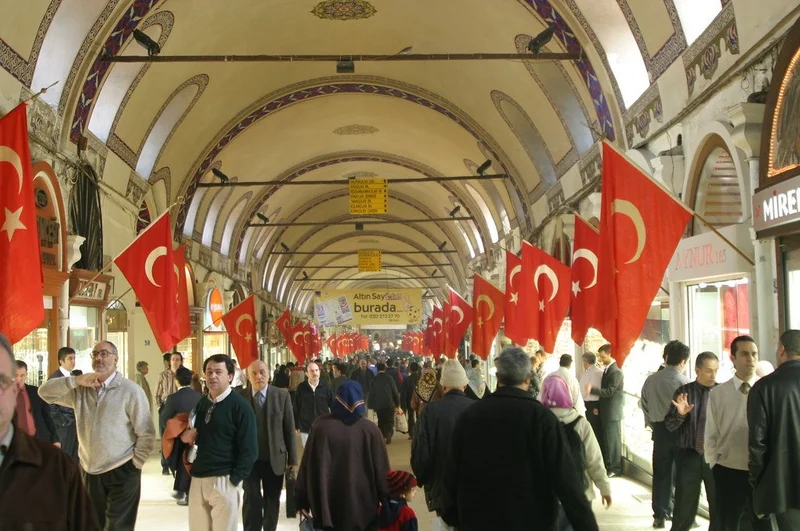
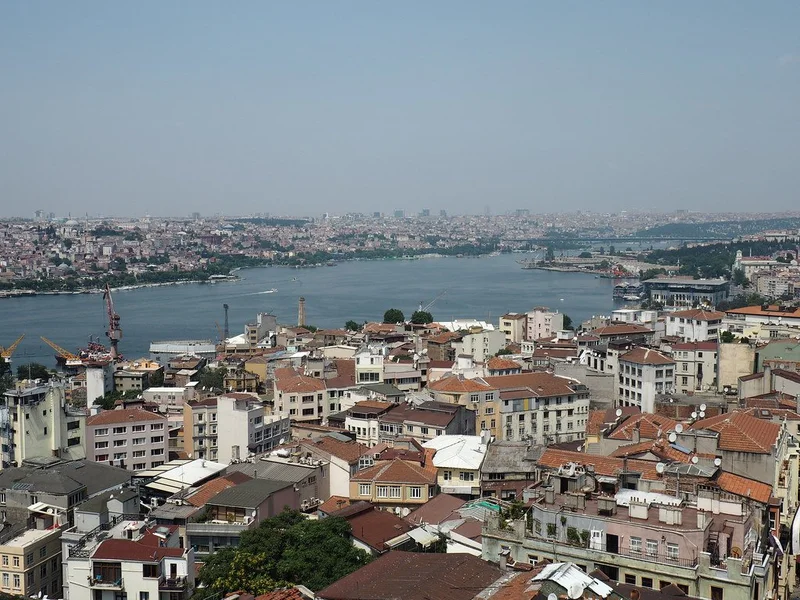
Istanbul welcomed about 18.97 million foreign visitors in 2025, according to figures attributed to the city's culture and tourism directorate, about 52,000 a day. Serious crime against tourists is rare. What visitors write to us about, again and again, is smaller and more annoying:
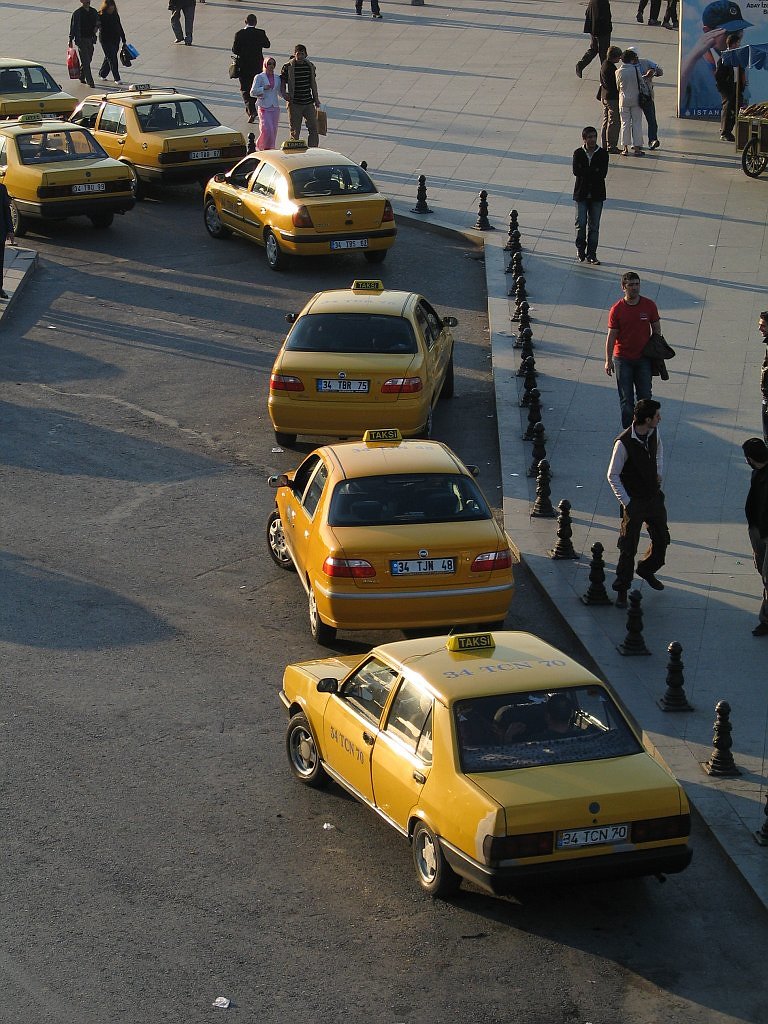
- Taxis. The usual complaints are a rigged meter, a night tariff used in the daytime, a very long route and "the card machine is broken". The FCDO warns against unofficial taxis and tells visitors to use a registered yellow taxi, note the plate and make sure the meter is on. BiTaksi or Uber remove most of the argument; see our Istanbul taxi apps and fares guide.
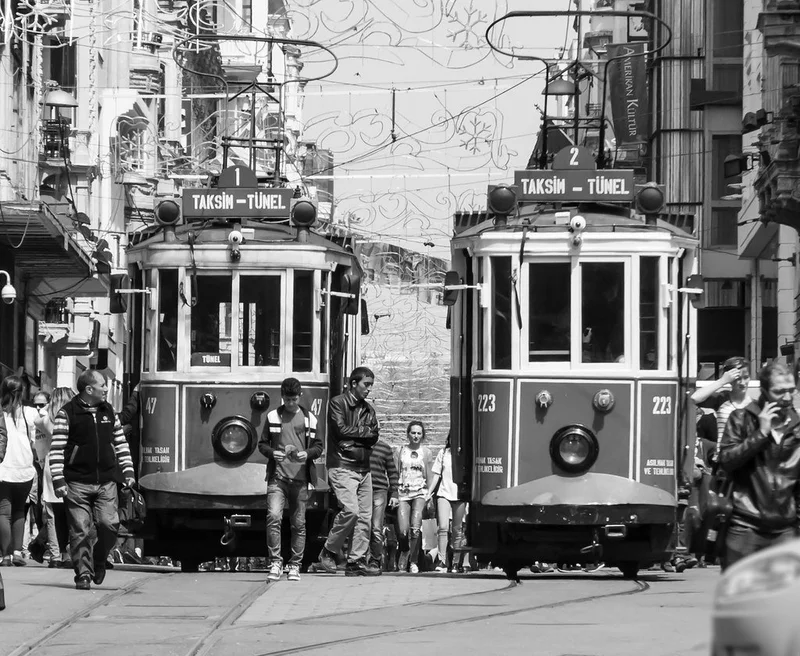
- Pickpockets. Concentrated at Eminönü, the Galata Bridge, Taksim and Istiklal Avenue, the Grand Bazaar and the Spice Bazaar, and on the T1 tram at rush hour. A front pocket and a zipped bag solve nearly all of it.
- Bar and restaurant bills in Beyoğlu. A friendly stranger invites you to a bar, the drinks come with a bill for several hundred euros. Never follow an invitation to a venue you did not choose, and read prices before ordering.
- Shoe-shine brush. A man drops his brush near Sultanahmet, you pick it up, he insists on a "free" shine and then asks for money. Walk on.
- Carpet and "student" touts. Anyone who says the Blue Mosque is closed and offers a tea at his cousin's shop is selling something.
- Money. Exchange offices without a licence sign, fake US$50 and US$100 notes (the FCDO mentions them), and card terminals that charge in euros. We explain safer options in how to exchange money in Istanbul.
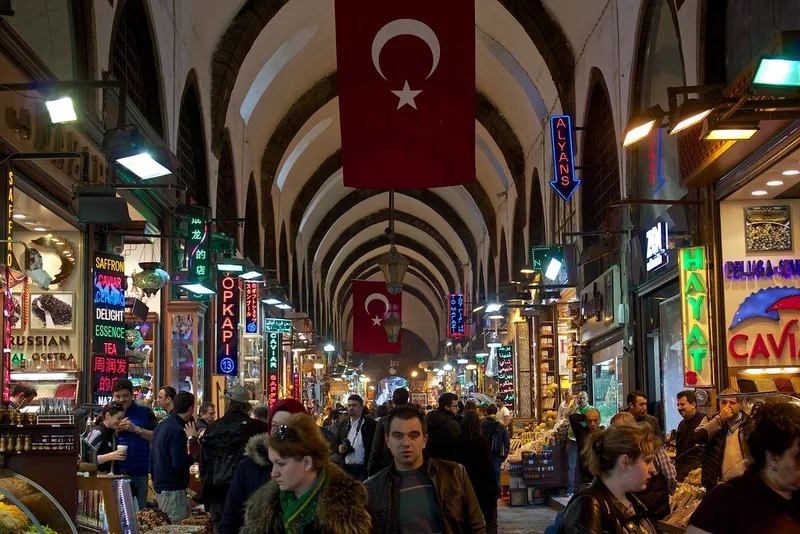
The longer list, with what each scam looks like and what to say, is in Istanbul scams to avoid. For late evenings, our guide to Istanbul at night, areas to avoid and late transport names the streets.
Methanol, spiked drinks and other warnings from the Foreign Office
Two warnings in the FCDO text deserve more attention than they get. The first is illegally produced and counterfeit spirits: the FCDO says methanol-contaminated alcohol has killed and seriously harmed people in Turkey, including in Istanbul and Ankara, and that you cannot detect it by taste or smell. Order sealed bottles or drinks at licensed venues, and seek urgent medical help for anyone who becomes ill after drinking. The second is drink and food spiking by strangers who invite you to a restaurant or club; buy your own drinks and keep them in sight.
Tap water is a separate question, covered in our tap water guide, and the short answer is to drink bottled water. In summer, wildfires affect forested coast and hills; do not light fires or throw cigarettes there, because fines and prison are possible, and follow evacuation orders from the local authorities.
Earthquakes: what a tourist should know
Turkey sits on active fault lines. The FCDO notes that earthquakes, some of high magnitude, occur regularly in many parts of the country, and that a 6.2-magnitude quake in the Sea of Marmara in April 2025 was strongly felt in Istanbul, with aftershocks. Nobody can predict one, but the useful habits are cheap. When you check in, look at the fire exits and the stairwell rather than the lift. If shaking starts indoors, move away from windows and drop under a sturdy table; do not run out onto the street where glass and facades fall. Afterwards, follow local authorities and check the national disaster agency AFAD for updates. A newer building is a reasonable pick if the question worries you, and a good hotel will tell you its build year if you ask.
Women travellers, solo travellers and families
Most women who visit Istanbul have no problem beyond stares and persistent sellers, and the city is easy to walk in daytime. The FCDO is also frank about a pattern in coastal resorts. It reports 29 cases of sexual assault, including rape, reported to British consular staff in 2025 among about 4.27 million British visitors, mostly in resorts in the tourist season and often involving someone met during the day, such as hotel or spa staff. Its advice is straightforward: use reputable providers, limit the personal details you share, do not leave children alone with hotel or excursion staff, and report incidents to the hotel, the police or gendarmerie and a British consulate.
For solo travellers, our solo travel guide for Istanbul covers where to stay and which tours to join. Many women prefer a female guide, and we can arrange one; see female tour guides in Istanbul and our page on Turkey tours for women. Families will find child-specific tips in the school trip guide.
Demonstrations and public order
Demonstrations happen regularly in Istanbul, Ankara and other cities. The FCDO says they can turn violent and that the police have used tear gas and water cannon. Public transport and roads near Taksim, Saraçhane and Beşiktaş can close without much notice. The rule is the same as in any large city: if a crowd with banners or a heavy police presence appears, leave the area, do not photograph the police, and use the ferry or metro away from the closure. Sultanahmet, the Old City, is policed heavily and is normally calm.
Is Cappadocia safe? And the coast?
Cappadocia has its own risk list, and it is mostly about physical activity. Balloons fly only when the weather allows, and when the pilots decide it does not, the flight is cancelled and rebooked. Our page on balloon safety in Cappadocia explains the rules and the track record. Walking in the valleys is safe in daylight; in winter, paths can be icy, and in summer you need water and a hat. The Cappadocia tours we run use licensed local guides, and the sister site getturkiyetours.com lists Cappadocia routes for travellers starting from other Turkish cities.
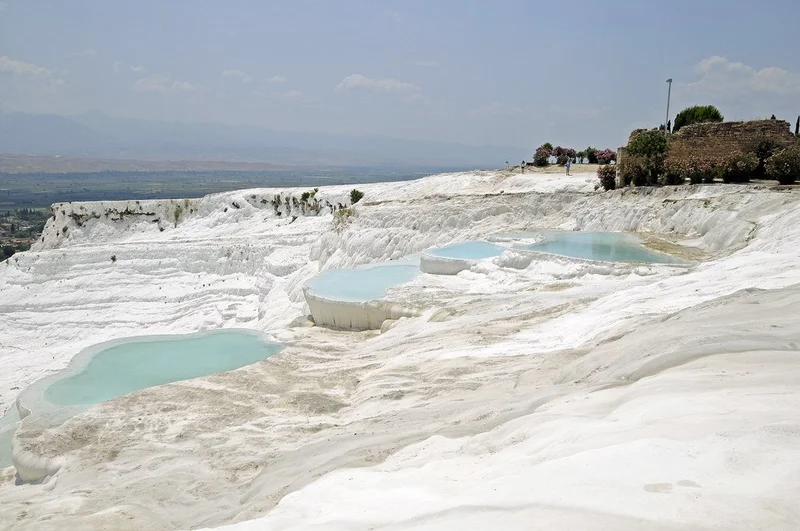
At Pamukkale, the main hazards are slippery travertine and the midday sun; walkers go barefoot on the white terraces, and rules on where you may walk change from season to season. In Ephesus, summer heat is the issue. On the coast, sea conditions and unsupervised beaches matter more than crime. None of these is a reason to cancel, and all of them are easier to handle with a local guide who knows the day's conditions.
14 practical tips for a safe trip
- Check the live advisories from your government a week before departure and again on the day. Sign up for FCDO email alerts if you are British.
- Buy travel insurance that covers medical care, evacuation and trip interruption, and check that it does not exclude the areas you will visit.
- Keep your passport safe: hotel safe for the original, a photo or photocopy on you.
- Use licensed taxis or an app, and agree the route on the screen before you set off.
- Wear your bag in front on trams, ferries and in the bazaars.
- Decline strangers who invite you to bars, shops or tea. If a place is good, you will find it on your own.
- Pay by card where you can, and when the machine asks whether to charge in lira or euros, choose lira.
- Drink bottled water, and order sealed bottles of alcohol or drinks at licensed places only.
- Learn the number 112 and save your hotel's address in Turkish on your phone.
- Avoid demonstrations and move away if one starts.
- Book guides through a licensed agency: a real guide carries a Ministry of Culture and Tourism ID card; ask to see it.
- Carry some lira in small notes for ferries, toilets and tips, and withdraw cash from bank ATMs, not freestanding ones in tourist streets.
- Dress sensibly at mosques: covered shoulders and knees, scarf for women; the details are in our mosque etiquette guide for the Blue Mosque.
- Read the advice twice, then go. The great majority of visitors leave with nothing worse than a sore pair of feet.
For the full first-time checklist, see Turkey travel tips for first-timers.
How a private guided tour reduces the risks
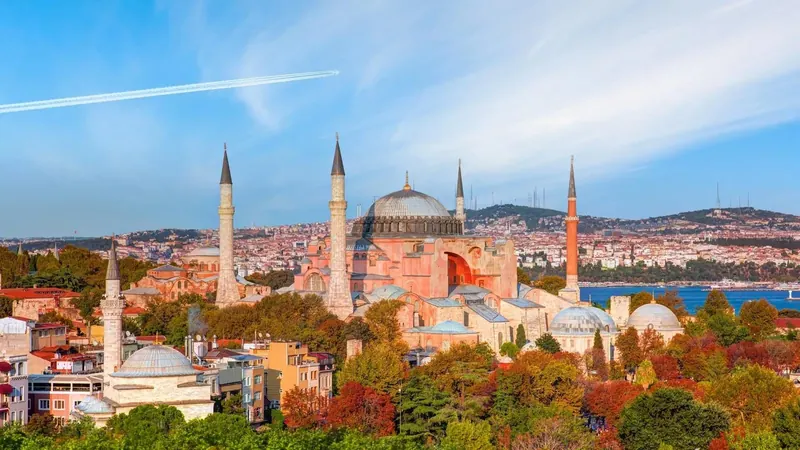
A lot of tourist trouble comes from the minutes in which you do not know where you are: the taxi from the airport, the first evening in an unfamiliar street, the line at a ticket office with touts nearby. A licensed TÜRSAB agency (ours is A-15751) removes most of those minutes. Your driver meets you at the airport or hotel, the guide walks the Old City with you, and the plan is fixed in advance. We organise everything on the ground, including transfers, entry tickets and lunch stops, and our guides know which gates are closed that day and which queues to avoid.
Prices from our current listings:
| Tour | Price | What it is |
|---|---|---|
| Classic Istanbul Full-Day Private Tour | from $200 per person | Byzantine and Ottoman highlights, 6 to 8 hours |
| Istanbul Full-Day Private Tour with Licensed Guide | from $180 per person | Old City, 8 hours |
| Best of Istanbul Private Tour, 1 to 3 days | from $199 per day, per group | Eight hours a day, plan built with you |
| Private Cappadocia Tour Package, 4 days | from $750 per person | 4 days, 3 nights |
An English-speaking private guide is $199 per day; other languages run $199 to $250 per day depending on language and season. Prices change with season and group size, so ask us for the figure for your dates. More itineraries, including Cappadocia and the Aegean, are on our packages page.

Frequently asked questions
Is Turkey safe to visit right now?
Yes for the main tourist areas: the US State Department rates Türkiye Level 2 (exercise increased caution) and reserves "do not travel" for the border region with Syria and Iraq, while the UK FCDO advises against travel only within 10 km of the Syrian border. Istanbul, Cappadocia and the coast are outside both zones. Check the live pages before you travel, as advisories can change.
Is Istanbul safe for tourists?
Yes, with normal big-city care. Violent crime against tourists is rare; the real problems are pickpocketing, taxi overcharging, bar bills and fake guides. Use app taxis, keep your bag in front, and avoid invitations from strangers. About 18.97 million foreign visitors came in 2025 according to Istanbul tourism figures.
Which parts of Turkey should tourists avoid?
Avoid the border region with Syria and Iraq in the south-east: the State Department puts it at Level 4 and the FCDO advises against all travel within 10 km of the Syrian border. No standard tourist itinerary goes there. Also avoid large demonstrations in any city and leave if one starts.
Is Turkey safe for American tourists?
Yes, with the same precautions as other visitors. Americans should read the Level 2 advisory, enrol in the State Department's Smart Traveler programme, avoid demonstrations and political posts, and carry a copy of the passport. We cover US-specific questions on our Istanbul safety page for Americans.
Is Turkey safe for solo female travellers?
Mostly yes. Daytime sightseeing in Istanbul is easy, and a female guide or a small group removes much of the hassle. The FCDO warns about assaults in coastal resorts, often by someone met during the day, so use reputable providers, limit personal details and do not leave drinks unattended.
Is it safe to travel to Turkey near the Syrian border?
No. The FCDO advises against all travel within 10 km of the Syrian border because of fighting and a heightened risk of terrorism, and the State Department lists the border region with Syria and Iraq at Level 4. Travelling against official advice can also void your insurance.
Is the tap water in Istanbul safe to drink?
Drink bottled water. Tap water is treated, but pipes and tanks vary by building, and most visitors prefer sealed bottles, which are cheap. See our tap water guide for current bottled-water prices.
What is the emergency number in Turkey?
Call 112 for police, ambulance and fire, and to report a wildfire. Operators may have limited English, so keep your hotel's address and name in Turkish on your phone.
Are there earthquakes in Istanbul?
Turkey has frequent earthquakes and a 6.2-magnitude quake in the Sea of Marmara in April 2025 was strongly felt in Istanbul, according to the FCDO. Know the exit route in your hotel, follow local authorities after a quake and check AFAD for updates.
Is Turkey safe at night?
The main tourist streets are busy late and mostly calm, but pickpocketing and bar scams peak at night in Beyoğlu and around Taksim. Use an app taxi or a pre-booked transfer after dark, and read our guide to Istanbul at night.
Sources: US State Department Turkey travel advisory (travel.state.gov, update dated 9 June 2026 as listed); UK FCDO Turkey travel advice, warnings and insurance page (gov.uk, updated 27 October 2026) and safety and security page; Istanbul foreign visitor figures from the Istanbul Provincial Directorate of Culture and Tourism as reported in 2026. Checked 12 November 2026.
Written by the Get Istanbul Tours team: licensed local guides and trip planners based in Istanbul.
Leave a Comment
Private tours in Istanbul
Classic Istanbul Full-Day Private Tour: Byzantine & Ottoman
Istanbul's great Byzantine and Ottoman landmarks in one private day, from Topkapi Palace and Hagia Sophia to the Grand Bazaar.
Best of Istanbul Private Tour, 1-3 Days with Professional Guide
A licensed private guide for 1, 2 or 3 days in Istanbul: the Old City, the Bosphorus and the Golden Horn, planned around your interests.
Related articles
 Travel Tips
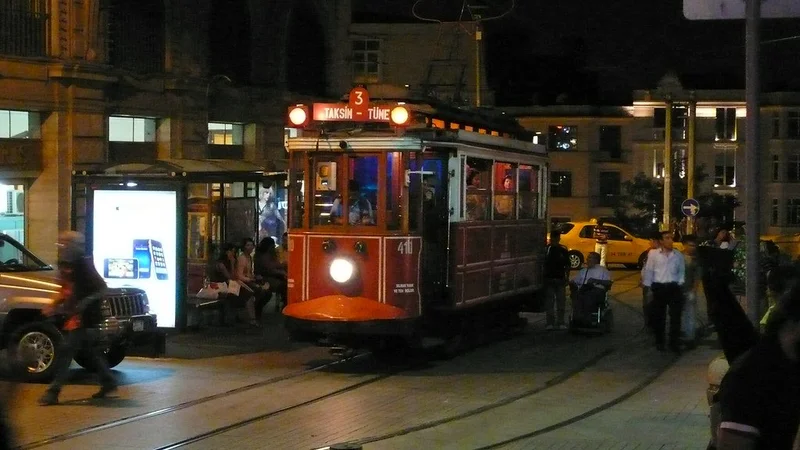
Where to Eat in Taksim 2027: Istiklal Street, Side Streets and What to Order, with Prices
Where to eat in Taksim: grill houses, meyhane streets, lokanta lunches and street food, with what to order and dinner costs of 1,200 to 3,000 TL.
Read More Itineraries
Istanbul 8 Day Itinerary 2027: Day by Day with Bosphorus, Islands, Bursa and Costs
Istanbul 8 day itinerary: Old City, Topkapi, Bosphorus, Princes' Islands and a Bursa day trip, with entrance fees and our 8-day private package from $1,499.
Read More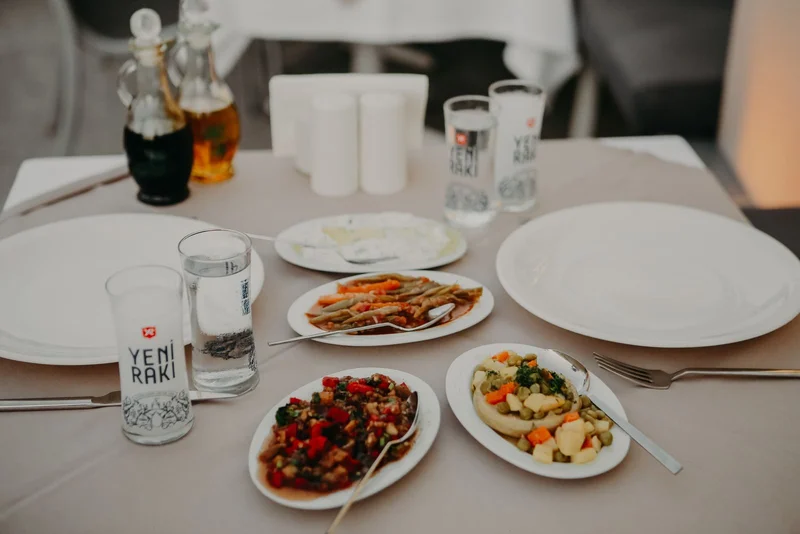 Istanbul
Where to Eat in Beyoğlu 2027: Istiklal, Galata and Cihangir – Dishes, Prices, Streets
Where to eat in Beyoğlu by street and hour: Cihangir breakfast, Karaköy lunch and baklava, Nevizade meyhane dinner, with reported 2026 prices and a food tour from $90.
Read More