 Travel Safety
Is Turkey Safe for Canadians? 2027 Advisory and Practical Tips
Canada advises a high degree of caution in Türkiye (updated 29 September 2026); its stricter warnings cover only the far southeast, not Istanbul, Cappadocia or the coast.
Browse our tours
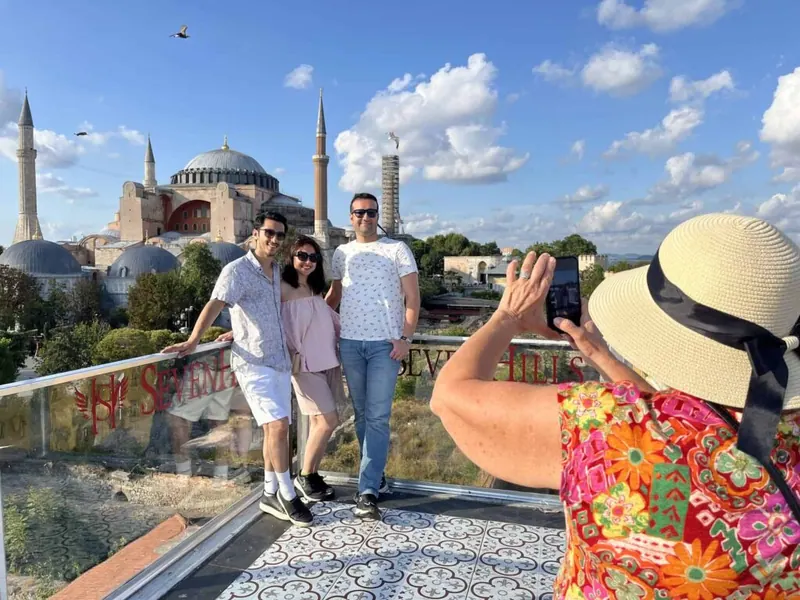
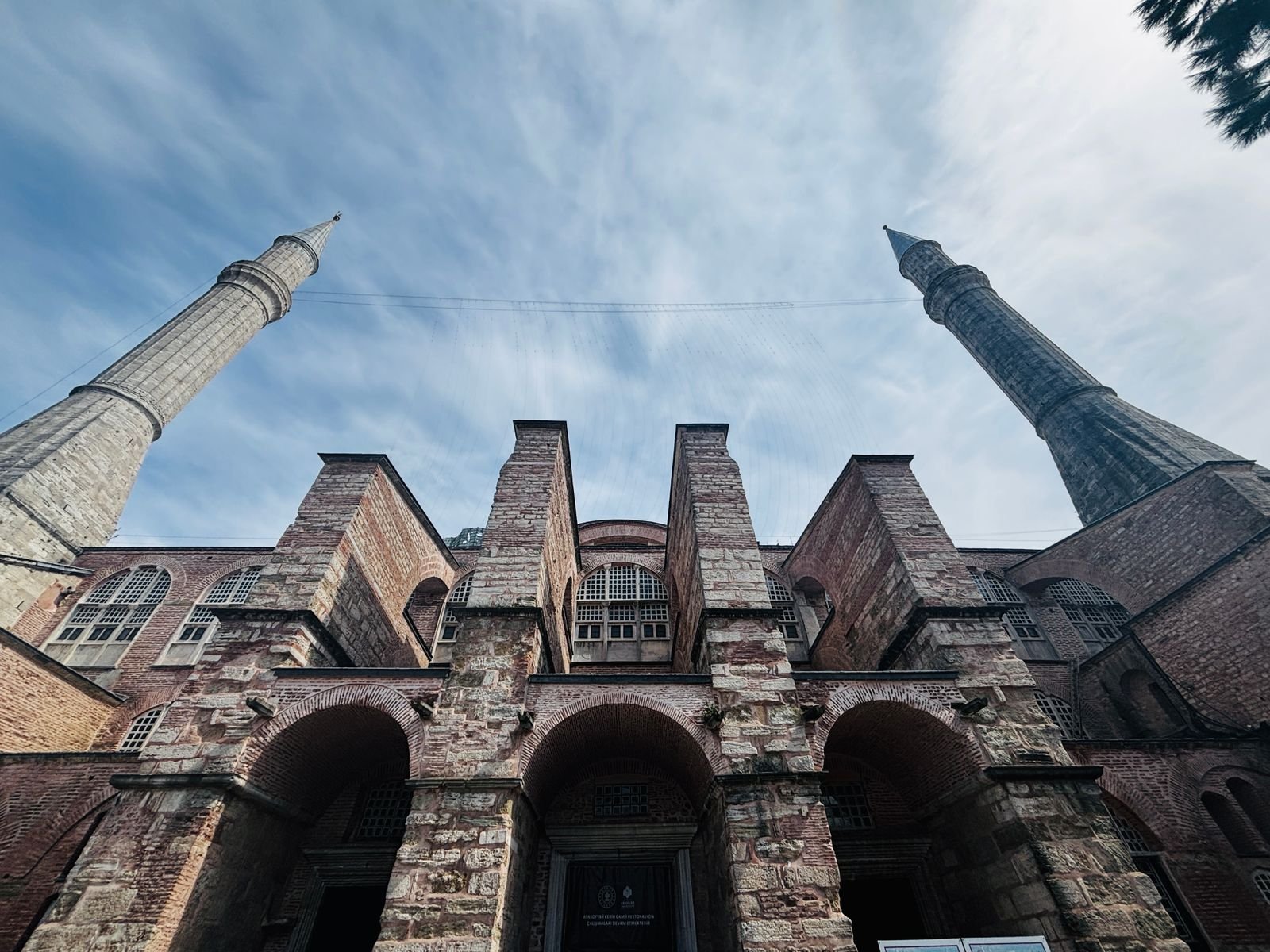
The Government of Canada's advice for Türkiye is to "Exercise a high degree of caution (with regional advisories)", in the version last updated on 29 September 2026 at 16:00 ET. That is the second of Canada's four risk levels. The reasons it gives are "the threat of terrorism and the possibility of large-scale demonstrations throughout the country". The regional advisories are stricter, but they cover only the far southeast: avoid all travel within 10 km of the borders with Iraq and Syria, and avoid non-essential travel to some southeastern provinces. Istanbul, Cappadocia, Ephesus, Pamukkale and the Antalya coast are not in those zones.
We are a licensed Istanbul travel agency (TÜRSAB A-group, licence no. 15751), not a government office. Below we quote travel.gc.ca rather than rate Türkiye ourselves, then turn its advice into practical steps for a normal holiday. The page can change at any time, so read the current version on travel.gc.ca before you leave.
What Canada's travel advisory for Türkiye says
Canada uses four levels. The two lower ones are advice; the two upper ones are formal travel advisories. Here is how they apply to Türkiye on the 29 September 2026 page:
| Canada's risk level | What it means, in Canada's words | Applies in Türkiye to |
|---|---|---|
| Take normal security precautions | "Take similar precautions to those you would take in Canada" | – |
| Exercise a high degree of caution | "Be very cautious at all times, monitor local media and follow the instructions of local authorities" | The country as a whole |
| Avoid non-essential travel | "Think about your need to travel" | Some southeastern provinces |
| Avoid all travel | "You should not travel to this country, territory or region" | Within 10 km of the Iraq and Syria borders |
The page also carries a notice titled "Ongoing hostilities in the Middle East", which warns of possible flight cancellations and airspace closures in the region. Its advice is to keep travel documents up to date, follow local media and sign up with the Registration of Canadians Abroad service, so that the government can contact you if the situation changes. That costs nothing and takes a few minutes.
Where the regional advisories apply, and where Canadians usually go
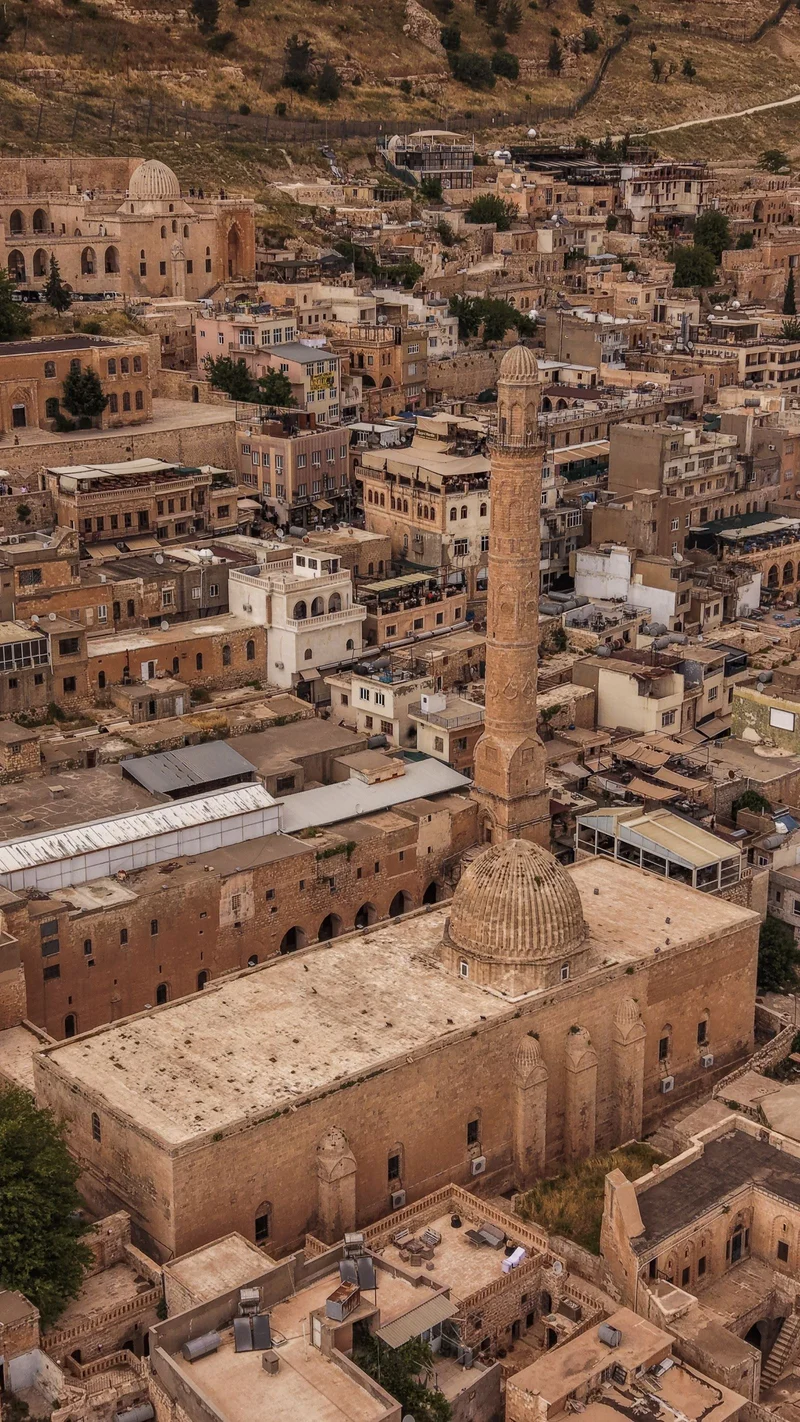
The "avoid all travel" zone is a 10 km strip along the borders with Iraq and Syria. travel.gc.ca mentions the threat of terrorism and kidnapping there, and notes that some highways run within 10 km of the border, which may affect a travel insurance claim after an accident. The "avoid non-essential travel" level covers southeastern provinces; the page names Şırnak and Hakkari, where it also says a permit from the Governor's Office is needed for areas near the Iraqi and Iranian borders.
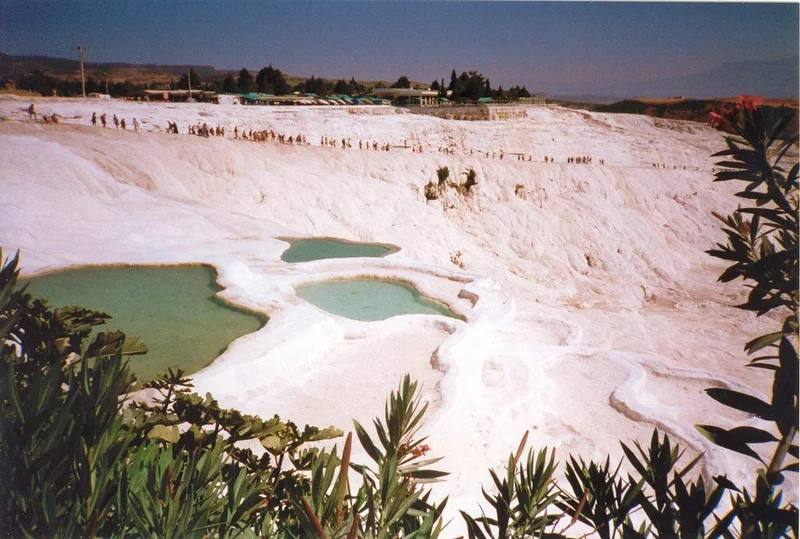
The standard first trip to Türkiye stays well away from all of that. Istanbul is in the northwest, Cappadocia in central Anatolia, and Ephesus and Pamukkale in the west. Our multi-city Turkey packages follow that route in 8 to 15 days, from $700 per person for 8 days in Istanbul and Ephesus; prices vary by season, hotel and what the package includes, so ask us for today's price. If you plan to go further east, for example to Göbeklitepe near Şanlıurfa or to Mardin, read the regional section of travel.gc.ca before you book, and check that your travel insurance covers the region. Our 3-day Mardin and Midyat tour from Istanbul, the Mount Nemrut, Göbeklitepe and Karahantepe private tour and the 9-day Southeastern Turkey ancient civilizations tour all go to this region, so the same check applies to them.
Terrorism and demonstrations: what it means in Istanbul
travel.gc.ca is direct: "There have been armed attacks in major cities, such as Ankara and Istanbul. Additional attacks could occur at any time." Its list of possible targets includes places of worship, airports, tourist attractions, restaurants, shopping centres, markets and hotels, which describes most of a sightseeing day. It asks for particular vigilance during sporting events, concerts, religious holidays, public celebrations and political rallies.
In practice you will see the response to this: bag scanners at the airport, museums and malls, police patrols, and routine identity checks. Canada's advice is to cooperate with checks and carry your passport. Large demonstrations can bring road closures and, according to the page, police have used tear gas and water cannons in the past. Stay away from any gathering, and do not photograph demonstrations, police officers or security forces.
Crime, scams and spiked drinks
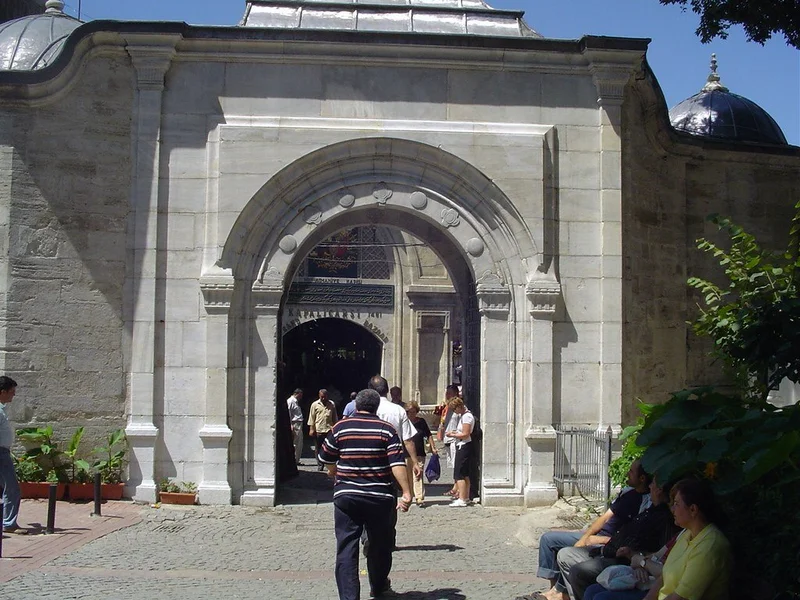
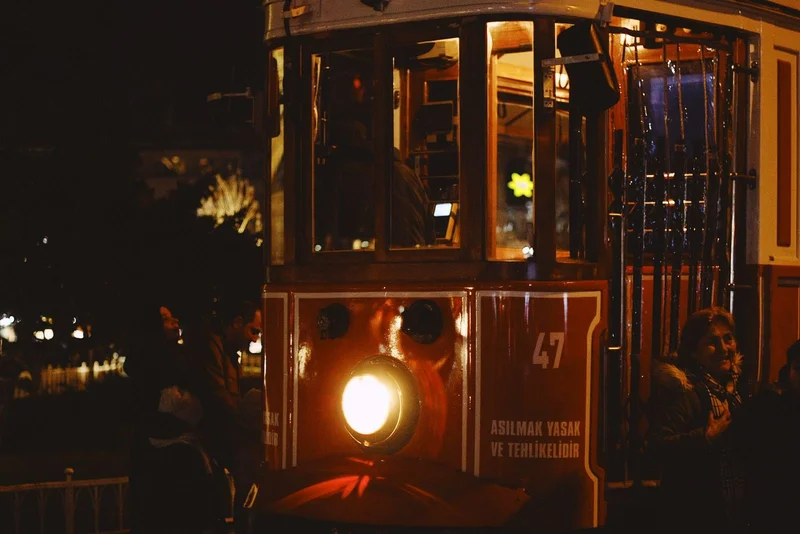
Pickpocketing and bag snatching "can occur throughout Türkiye", and muggings and assaults also occur. The busiest places in Istanbul, such as the Grand Bazaar, the Spice Bazaar, the Old City tram and Istiklal Avenue, are where you need to watch your bag and phone. travel.gc.ca suggests using ATMs inside banks or shopping centres rather than on the street, and covering the keypad, since card and ATM fraud also happens.
Four warnings on the Canadian page are specific to Türkiye and worth reading twice:
- The bar bill scam. "A particularly common scam in Istanbul involves locals inviting tourists to bars for food and drinks and then forcing them to pay a steep bill." Do not let a stranger choose the bar.
- Spiked food and drinks. Do not accept snacks, drinks, gum or cigarettes from new acquaintances, and never leave a drink unattended.
- Adulterated alcohol. People have died after drinking alcohol containing methanol. Buy drinks from reputable places and see a doctor if you feel unwell.
- Pesticide poisoning. There have been poisoning cases linked to pesticides used in tourist accommodation in Istanbul. Leave the room and tell reception if you notice an unusual smell.
Taxis, transfers and getting around
Canada's advice on taxis is short: licensed taxis are metered, "many taxis don't have functioning seatbelts", use only officially marked taxis, and confirm the driver's identity and licence plate before getting in. It also says women should not accept offers of transportation from strangers.
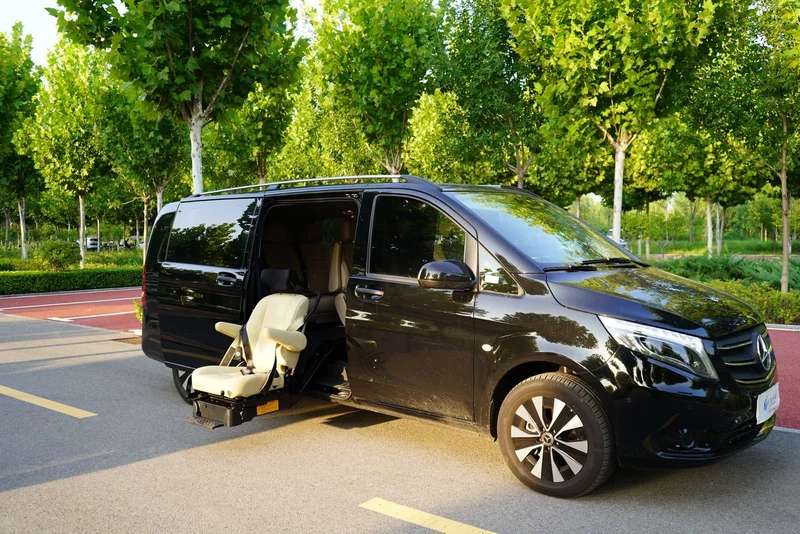
The simplest way to avoid the taxi queue on arrival is a booked transfer. Our Istanbul transfers include a private airport pick-up in a Mercedes Vito, priced for the whole vehicle, up to 6 passengers, with a driver holding your name at arrivals, flight tracking and tolls. For a day of sightseeing by car, we also run a private car with driver for 8 hours.
For the sights themselves, our Istanbul tours range from a small-group Old City tour with Hagia Sophia tickets included to a private full day with a licensed guide. A guide does not make anyone safe, but it removes the moments when visitors are easiest to approach: buying tickets, looking for a restaurant, or asking a stranger for directions.
Hot air balloons, beaches and outdoor activities
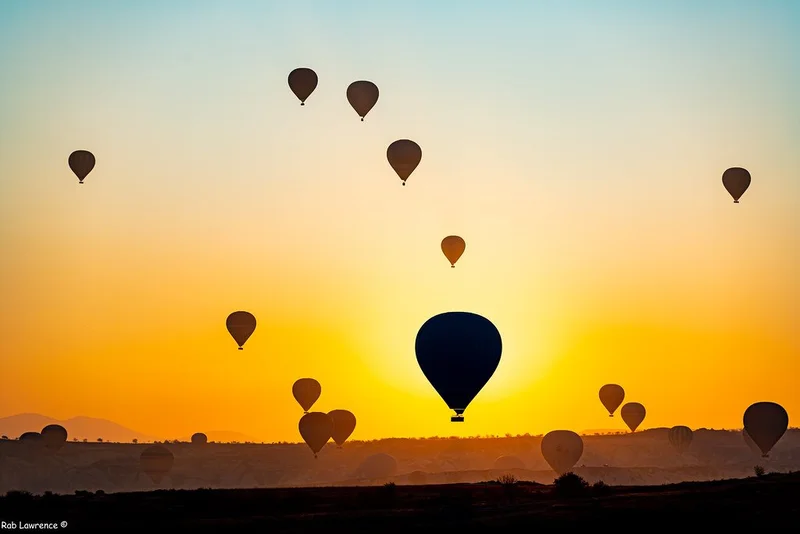
travel.gc.ca notes that "there have been accidents, sometimes fatal, involving hot air balloon flights in Cappadocia". Its advice is to check the weather before departure and verify the operator's credentials and insurance. Flights are cancelled on mornings with unsuitable wind, so plan two mornings in Cappadocia if the balloon matters to you.
On the coast, Canada warns of strong currents and says "several drownings occur every year"; respect the warning flags. It also mentions that wildfires often occur in summer in Mediterranean and Aegean provinces near tourist centres, and that stray dogs, which are common, can travel in packs: do not feed or pet them, and get medical help after any bite, because rabies is present in Türkiye.
Turkish laws Canadians should know
The Laws and culture section of travel.gc.ca lists the rules visitors most often trip over:
- Carry the original passport. Authorities may ask for ID at any time, and Canada specifies the original, "not only photocopies or digital versions". Failing to show it can lead to fines, detention or deportation.
- Insulting the state. It is illegal to insult Atatürk, the president, the flag and national anthem, the currency, state institutions, or the police and military.
- Social media. People have been detained over posts criticising the government, and the page says this can include posts, shares and likes made in the past and outside Türkiye.
- Photography. Do not photograph military or official installations.
- Antiquities. Exporting items of historical value requires a receipt and an official museum export certificate.
- Drugs. Penalties for drugs, including cannabis, are severe, even in transit.
- Phones. Foreign phones must be registered within 120 days, and some e-SIM services are restricted.
In places of worship, women cover their hair and all visitors cover arms and legs. Ramadan in 2027 is expected to begin on or around 7 February; during the day, be discreet about eating, drinking and smoking in public.
Women and 2SLGBTQI+ travellers
Canada's page says women travelling alone "may be subject to some forms of harassment or verbal abuse" and that sexual assaults may occur. Its advice: stay vigilant, avoid dark alleys and isolated areas, and do not accept transport from strangers. If you are harassed or assaulted, report it to the police or gendarmerie by dialling 112 or at the nearest police station.
For 2SLGBTQI+ travellers, the page says Turkish law does not criminalise same-sex sexual acts, but homosexuality "is not widely socially accepted", events may be banned, and activists have been arrested. Canada asks 2SLGBTQI+ travellers to "carefully consider the risks" of travelling to Türkiye.
Emergency numbers and the Canadian consulate in Istanbul
Save these before you fly, as published on travel.gc.ca:
| Who | Contact |
|---|---|
| Emergency services in Türkiye | 112 |
| Consulate General of Canada, Istanbul | Büyükdere Caddesi No: 209, Tekfen Tower, 4. Levent, Istanbul; +90 212 385 9700; [email protected] |
| Embassy of Canada, Ankara | Cinnah Caddesi No. 58, Çankaya, Ankara; +90 312 409 2700 |
| Emergency Watch and Response Centre, Ottawa (24/7) | Toll-free from Türkiye: 00800-14-220-0149 |
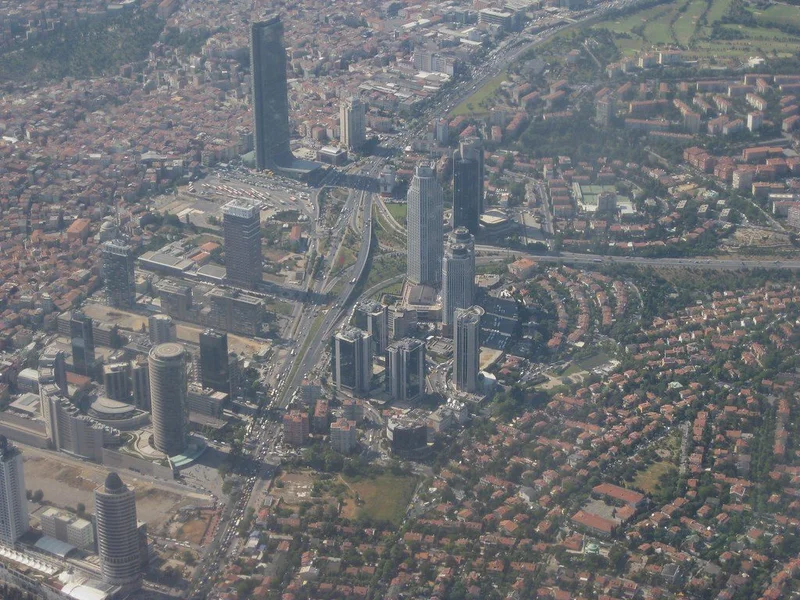
The consulate is in Levent, the business district north of the centre, not in the Old City; book an appointment online for routine services. For flights from Toronto, Montreal and Vancouver, entry rules and packages, see our Turkey tour packages from Canada. Passport validity, the e-Visa question and what to carry at the border are covered in our Turkey travel requirements for Canadians.
If you would rather have the arrival, guiding and transfers arranged before you land, the multi-city packages include airport transfers and domestic flights, and single days can be added from Istanbul tours or Istanbul transfers. Cancellation is free up to 7 days before, and you can book now and pay later.
Frequently Asked Questions
Is Turkey safe for Canadians right now?
The Government of Canada advises Canadians to "exercise a high degree of caution" in Türkiye, the second of its four levels, in the version updated on 29 September 2026. The stricter regional advisories apply only near the Iraq and Syria borders and to some southeastern provinces, not to Istanbul, Cappadocia or the coast. Check travel.gc.ca before you travel.
What is Canada's travel advisory level for Istanbul?
Istanbul falls under the country-wide level, "Exercise a high degree of caution". travel.gc.ca notes that armed attacks have occurred in Istanbul and Ankara and asks for vigilance in crowded places, at events and during demonstrations.
Where is the Canadian consulate in Istanbul?
The Consulate General of Canada is at Büyükdere Caddesi No: 209, Tekfen Tower, 4. Levent, Istanbul. Its phone number is +90 212 385 9700. Outside office hours, Canadians can call the Emergency Watch and Response Centre toll-free at 00800-14-220-0149.
What number do I call in an emergency in Turkey?
Dial 112 for police, ambulance or fire. Canada's page also lists 112 for reporting harassment or assault to the police or gendarmerie.
What are the most common scams for Canadian tourists in Istanbul?
travel.gc.ca describes the bar scam, where a friendly local invites tourists for drinks and then forces them to pay a steep bill, as particularly common. It also warns about card and ATM fraud and about people met online who ask for money.
Do Canadians need to carry their passport in Turkey?
Yes. Canada advises carrying the original passport at all times, because photocopies or digital copies may not be accepted at an identity check. Keep a digital copy as a backup in case the original is lost.
Private tours in Turkiye
Mardin & Midyat 3-Day Tour from Istanbul with Flights
Fly from Istanbul to Mardin for three days of monasteries, madrasas, Assyrian villages and the stone streets of Mardin's Old City.
Mount Nemrut, Gobeklitepe & Karahantepe 3-Day Private Tour
Three private days with flights: the giant statues of Mount Nemrut, Gobeklitepe, Karahantepe and Harran.
Related guides
- Is Turkey Safe to Visit from the UK? FCDO Travel Advice 2027
- Istanbul and Beach Holiday: Istanbul Tours, Then Days on the Antalya Coast
- Istanbul and Cappadocia Holiday Packages from Australia 2027: 6, 8 and 10 Days with Prices in A$
- Istanbul Cappadocia Antalya Tour Package 2027: 9-Day Route, Flights and Prices
- Istanbul to Izmir Private Transfer 2027: Drive Time, Flight, Bus and Train Compared
- Istanbul Tour Package from USA 2027: 4 to 10 Days, Prices and Day-by-Day Plans
- Istanbul Tour Packages from Canada: 4 to 10 Days with Transfers and Guide
- Italian-Speaking Guide in Turkey 2027: Prices, 3 Routes and the New ID Card Rule
- Japanese-Speaking Guide in Turkey 2027: Private Tours Across Istanbul, Cappadocia and Ephesus with Prices
- July 2027 Winter Holidays from South America to Turkey: Istanbul and Cappadocia
- JW Bible Tours Turkey 2027: Ephesus, the Seven Congregations and Paul's Route
- Konya Whirling Dervish Festival 2027: Şeb-i Arus Tour from Istanbul or Cappadocia