 Rumi festival 2027
Konya Whirling Dervish Festival 2027: Şeb-i Arus Tour from Istanbul or Cappadocia
Konya's Şeb-i Arus festival runs 7–17 December 2027, with a sema ceremony every evening. Reach it from Istanbul by air or train, or from Cappadocia by road.
Browse our tours

The Şeb-i Arus festival in Konya runs every year from 7 to 17 December, ending on the anniversary of Rumi's death on 17 December 1273; in 2027 it marks the 754th anniversary. Each evening the whirling dervish sema ceremony is performed at the Mevlana Cultural Center, with the largest crowds on the final night. From Istanbul you reach Konya in about 1 hour 15 minutes by air or around 4.5–5 hours by high-speed train, and from Cappadocia in about 3 hours by road. Our Cappadocia packages start from $750 per person for 4 days, and we add Konya and festival tickets on request.
This page is for travellers planning December 2027 around the ceremony: dates, tickets, how to get there and how to combine Konya with Istanbul and Cappadocia. Information was checked on 24 October 2026. The 2027 programme and ticket sale dates are announced by the Ministry of Culture and Tourism and Konya Metropolitan Municipality in the autumn; for the 2026 festival, sales opened in early October.
Şeb-i Arus 2027 at a glance
| Topic | What to know |
|---|---|
| Dates | 7–17 December 2027, every year on the same dates |
| Anniversary | 754th year since Rumi's death on 17 December 1273 |
| Venue | Mevlana Cultural Center, Konya, a few minutes from Rumi's tomb |
| Ceremony | Sema performed every evening; the 17 December night is the main one |
| Tickets | Sold online, usually from October; the last nights sell out first |
| Getting there | Flight from Istanbul about 1 h 15 min; high-speed train about 4.5–5 h; road from Cappadocia about 3 h |
| Weather | Cold: around 5–7 °C by day, below freezing at night |
| Our prices | Cappadocia 4-day package from $750 pp; whirling dervish show in Cappadocia or Istanbul from $60 |
"Şeb-i Arus" means "wedding night". Rumi's followers do not mourn his death; they celebrate it as the night he was reunited with God, his "beloved". That is why the festival is a celebration rather than a memorial, and why the ceremony is given in a spirit of devotion. It is not a show, and audiences are asked not to clap between parts.
What the sema ceremony is
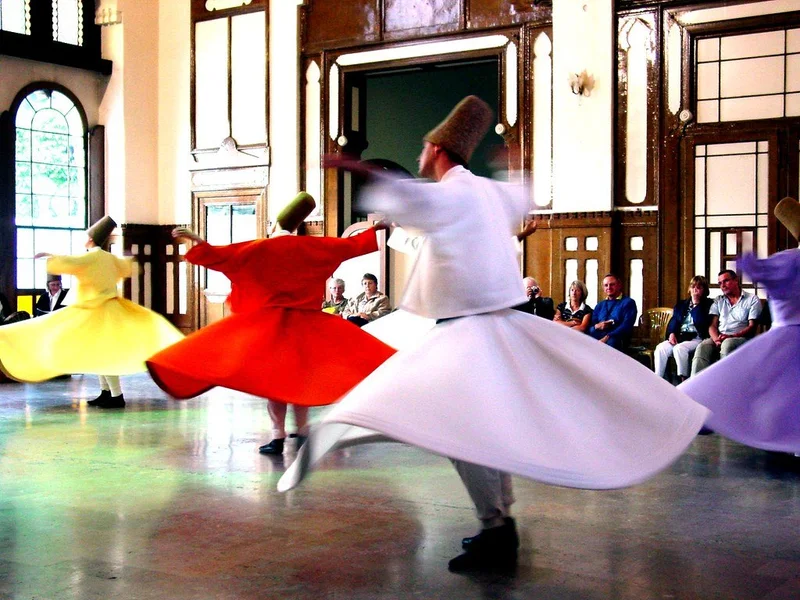
The sema is the ritual of the Mevlevi order, founded after Rumi's death by his son Sultan Veled. The semazens wear a tall camel-hair hat (the sikke), standing for a tombstone, and a black cloak, standing for the grave, over a white robe, the shroud. When they drop the cloak and begin to turn, right palm up to receive and left palm down to pass on, the ritual represents a journey from the self to truth and back to service.
The ceremony follows a fixed order: a eulogy to the Prophet, a drum strike, the reed flute (ney), the slow walk of Sultan Veled, and four selams, the turning sections, accompanied by a classical Turkish ensemble. A full ceremony lasts about an hour. UNESCO inscribed the Mevlevi sema on its list of the Intangible Cultural Heritage of Humanity in 2008.
In Konya during Şeb-i Arus you see it at its largest: dozens of semazens on the circular floor of the Mevlana Cultural Center, with a full ensemble. Outside the festival, the centre usually holds a sema on Saturday evenings through the year.
Tickets and the programme
Tickets for the evening ceremonies at the Mevlana Cultural Center are sold online through the platform named by the Ministry and the municipality; for 2026 that was biletinial. Sales usually open in October, and the last three nights, 15 to 17 December, go first. If you want 17 December, book the day sales open. Prices are set each year and are modest compared with commercial dervish shows.
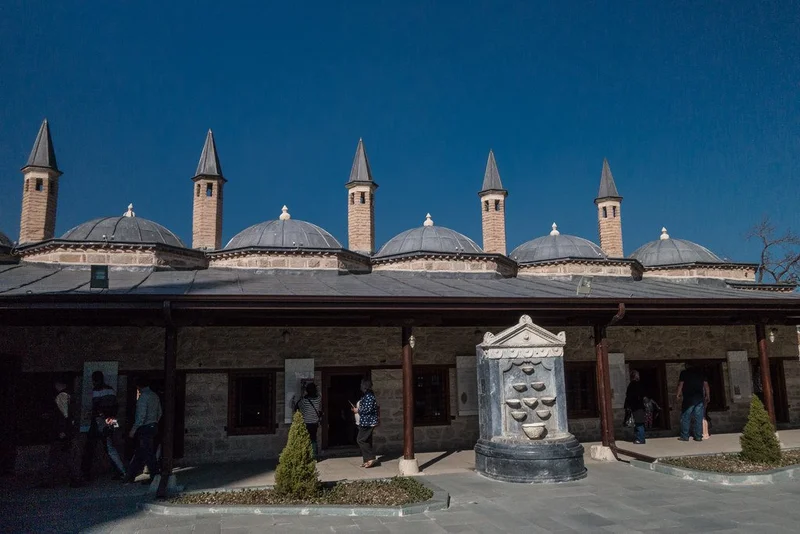
Alongside the ceremonies, the programme includes concerts of Sufi music, talks, exhibitions and calligraphy and marbling workshops around the city, and on 17 December many visitors walk to Rumi's tomb in the Mevlana Museum. Expect queues at the museum through the festival, especially at weekends.
We buy ceremony tickets for our guests as part of a package once sales open, so you do not need a Turkish phone number or a local account. Tell us which night you want when you enquire.
How to get to Konya
From Istanbul by air. Turkish Airlines flies to Konya from Istanbul Airport and AJet from Sabiha Gökçen, a flight of about 1 hour 15 minutes, and Turkish Airlines has offered special festival fares in past years. Konya airport is about 20 minutes from the centre.
From Istanbul by train. The YHT high-speed train runs from Istanbul to Konya in roughly 4.5 to 5 hours, depending on the service and station. It is comfortable and avoids airport transfers, but tickets for festival dates sell out, so buy as soon as sales open on the TCDD site.
From Cappadocia by road. Konya is about 230 km west of Göreme, around three hours by car. The road passes the Sultanhanı caravanserai, one of the largest Seljuk inns in Anatolia, which makes a good stop. This is the route we use most: Cappadocia first, then Konya for the ceremony, then a flight back to Istanbul.
Konya beyond the ceremony
Konya was the capital of the Seljuk Sultanate of Rum, and the city has some of the finest 13th-century buildings in Turkey. Give it at least one full day.
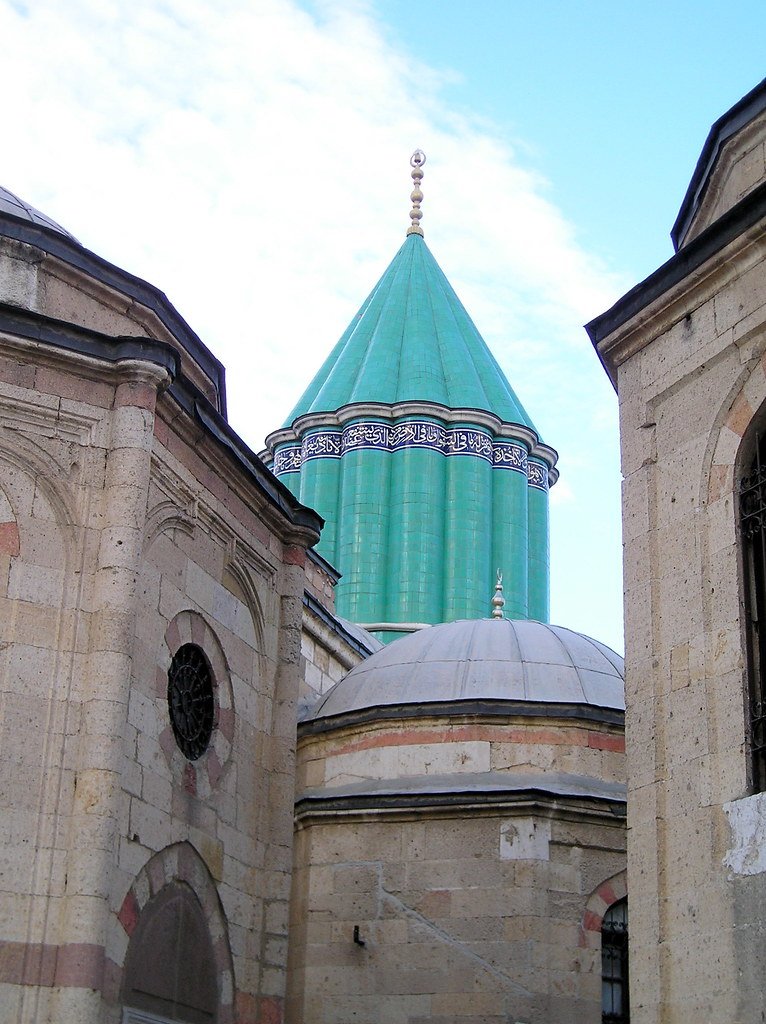
- Mevlana Museum: Rumi's tomb under the green dome, the dervish lodge, its kitchens and cells, and manuscripts of the Masnavi.
- Karatay Madrasa: a 13th-century school, now a museum of tiles, with a dome of turquoise and black tilework.
- İnce Minareli Madrasa: famous for its carved stone portal, now a museum of stone and wood carving.
- Alaeddin Mosque: the Seljuk sultans' mosque on the hill in the centre of the city.
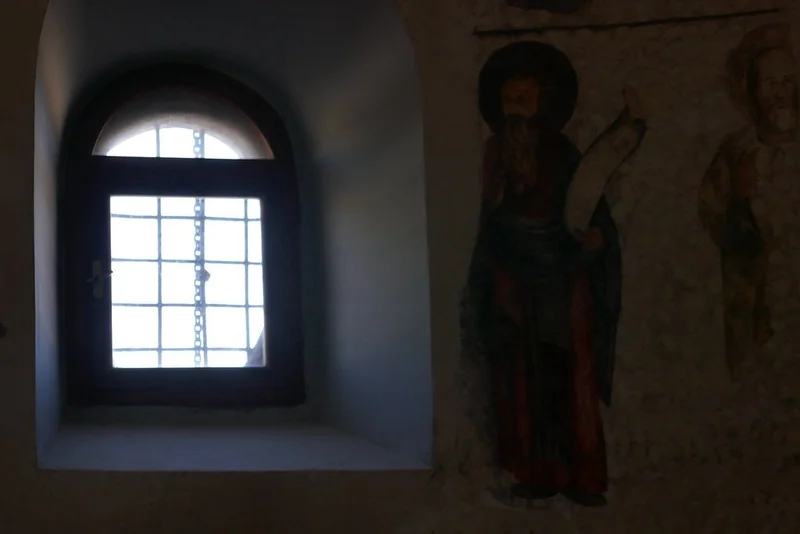
- Sille: a village 8 km away with the Byzantine church of Aya Eleni and old stone houses, a calm half day.
For food, try etli ekmek, Konya's long flatbread with minced meat, and fırın kebabı, slow-roasted lamb. The city is conservative: alcohol is hard to find in the centre, and modest dress is expected, especially around the museum and mosques.
Combining Konya with Cappadocia and Istanbul
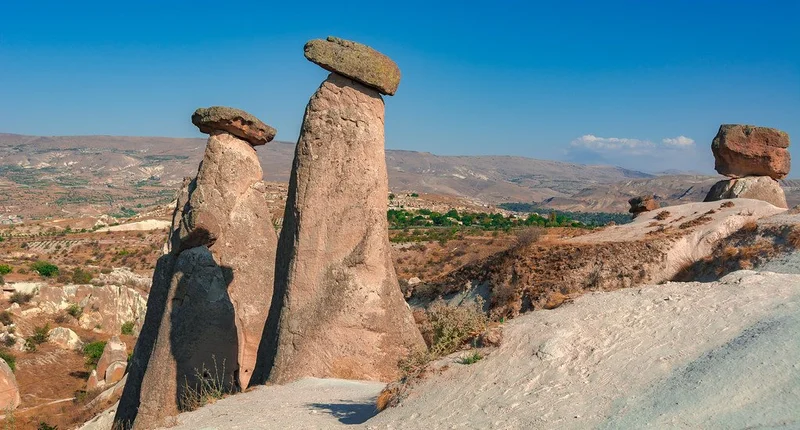
Most travellers come for the festival as part of a wider December trip. Here is the plan we suggest:
| Day | Plan |
|---|---|
| 1–3 | Istanbul: Old City, Bosphorus, Grand Bazaar |
| 4 | Fly to Cappadocia (Kayseri or Nevşehir) |
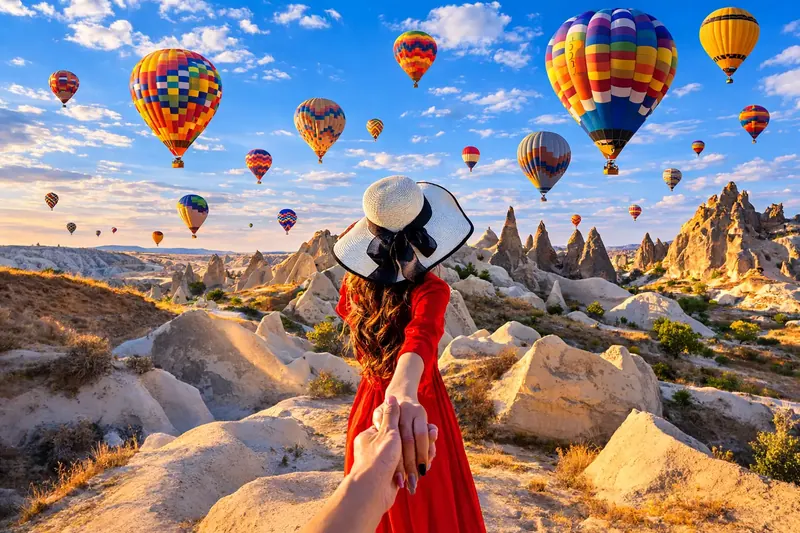
| 5–6 | Cappadocia: valleys, underground city, a balloon if the weather allows |
| 7 | Drive to Konya via Sultanhanı, evening sema ceremony |
| 8 | Konya: Mevlana Museum, Karatay Madrasa, Sille |
| 9 | Fly or take the train back to Istanbul |
Time it so your Konya night falls between 7 and 17 December; for the final ceremony, Konya on day 7 should be 17 December. Our Cappadocia packages are the base for this: the 4-day package starts from $750 per person and the 6-day premium package from $1,250, and we add the Konya leg, ceremony tickets and the return to Istanbul. For a longer route with Ephesus and Pamukkale, start from our multi-city packages.
Prices vary by season, hotel and what's included, so ask us for today's price. December is low season in Cappadocia, apart from Christmas and New Year, so hotels are easier to find than in spring.
December weather and what to wear
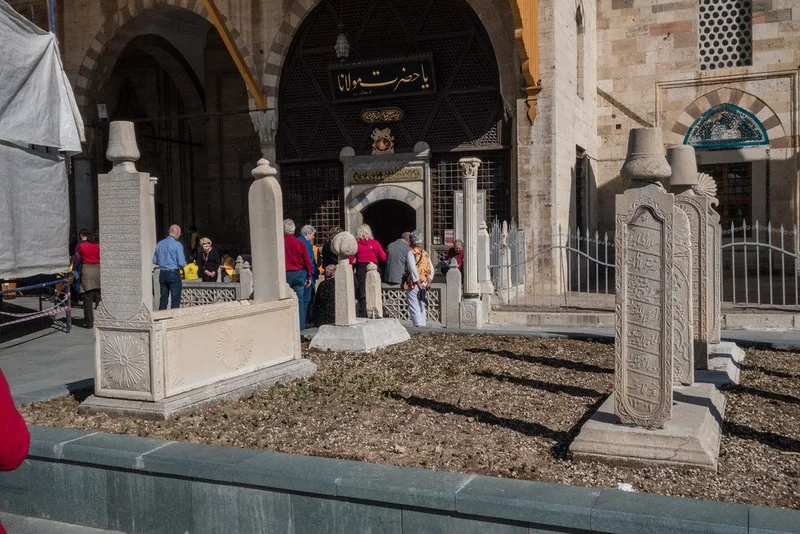
Konya sits on the Anatolian plateau at about 1,000 metres. In December, days are around 5–7 °C and nights often below freezing; fog and snow are possible. Cappadocia is similar, with a good chance of snow on the fairy chimneys, which is beautiful but can cancel balloon flights. Istanbul is milder, around 9–12 °C by day, with frequent rain.
Bring a warm coat, hat, gloves and waterproof shoes. Inside the Mevlana Cultural Center it is heated. Women should carry a scarf for the museum and mosques; everyone needs covered shoulders and knees. If you are visiting Istanbul first, our page on things to do in Istanbul in December covers the city in winter.
If you cannot make Konya in December
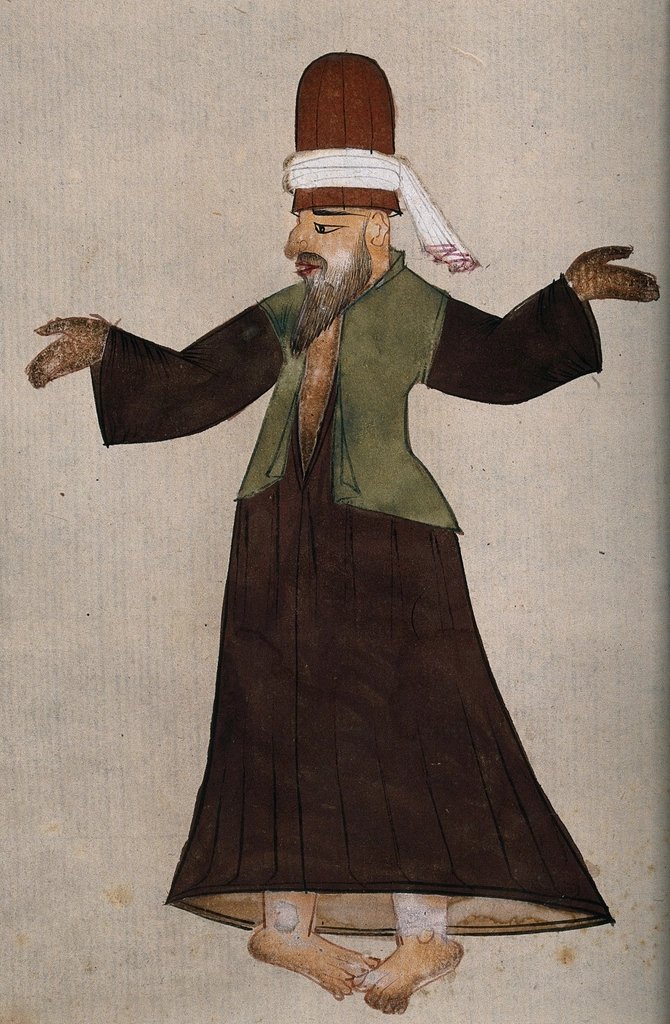
You can see a sema ceremony all year without going to Konya. In Cappadocia, our whirling dervish ceremony in a historic cave or caravanserai hall costs from $60, and it is easy to add to any of our Cappadocia tours. In Istanbul, our ceremony in the centre of the city with reserved seats is also from $60; our blog on where to see whirling dervishes in Istanbul compares the venues.
For Konya outside the festival, a day trip from Istanbul by train or plane is possible, and our article on a Konya day trip from Istanbul explains how. We are a licensed agency (TÜRSAB A-group, no. 15751) and have planned private trips since 2010; booking is Book Now, Pay Later. Send us your December dates and we reply with a plan and a written price. Browse the Cappadocia packages and multi-city packages for the full programmes, and the Cappadocia tours for single days.
Frequently Asked Questions
How to see whirling dervishes in konya?
To see whirling dervishes in Konya, attend the sema ceremony at the Mevlana Cultural Center, held every evening during the Şeb-i Arus festival from 7 to 17 December and usually on Saturday evenings through the year. Buy festival tickets online when sales open in autumn; the final nights sell out first.
How hot is istanbul in december?
Istanbul is not hot in December: daytime temperatures are usually around 9–12 °C and nights around 4–6 °C, with frequent rain and wind off the Bosphorus. Snow is rare but possible late in the month. Pack a warm waterproof coat and shoes with grip for wet marble and cobbles.
How is istanbul in december?
Istanbul in December is cool, damp and much quieter than in summer, with short queues at Hagia Sophia and Topkapı and lower hotel prices until the Christmas and New Year week. Days are short, with sunset around 16:40. Museums, bazaars and Bosphorus ferries all run normally.
Is december a good time to visit istanbul?
December is a good time to visit Istanbul if you prefer fewer crowds and lower prices to warm weather. The main sights are largely indoors, so rain costs little, and the Şeb-i Arus festival in Konya and snowy Cappadocia are within an hour's flight. Expect cool, wet days of 9–12 °C.
Is istanbul busy in december?
Istanbul is not busy in December for most of the month; it is low season, and queues at the main museums are short. It gets busy in the last week, from Christmas to New Year, when European and Middle Eastern visitors arrive and hotels in Sultanahmet, Taksim and along the Bosphorus raise their prices.
What season is it in istanbul in december?
December is winter in Istanbul. The city has a mild, wet winter, with daytime temperatures around 9–12 °C, frequent rain and occasional cold spells with snow, especially from January. It is the low season for tourism, except for the Christmas and New Year holidays at the end of the month.
Private tours in Turkiye
Cappadocia Whirling Dervish Ceremony with Hotel Transfer
An evening at the Mevlevi Sema ceremony in a historic cave or caravanserai hall, with live Sufi music and hotel transfers.
Bursa Full-Day Private Tour from Istanbul
A private day trip to Bursa, the first Ottoman capital, with its great mosques, royal tombs, old bazaars and views from Uludag.
Related guides
- Luxury Turkey Tours 2027: Private Guides, Cave Suites, Yachts and Helicopter
- Marmaris Holidays 2027 with Istanbul: Splitting a Week Between City and Coast
- May Holidays 2027 in Istanbul from Russia: Dates, Easter, Cappadocia and Prices
- Muslim Turkey Tour Package from Singapore: Halal and Prayer Stops
- Muslim-Friendly Turkey Tours: Halal Food, Prayer Stops and Privacy
- New Year Holidays 2027 in Istanbul from Russia: 1–8 January Plans
- Planning a Trip to Turkey from the US 2027: Step by Step, with Real Costs
- Private Driver in Trabzon 2027: Tour Prices, Distances and a Family Car
- Private Tour Guide Turkey: Licensed Guides in Istanbul and Beyond
- Private Turkey Circuit with a French-Speaking Guide 2027
- Private Turkey Round Trip with a German-Speaking Guide 2027
- Private Turkey Tour Packages 2027: 5 to 21 Days, Guides and Flights