

 From Georgia
Tao-Klarjeti Tour from Georgia 2027: Monastery Route
Private 2 to 4 day Tao-Klarjeti tour from Georgia: Oshki, Ishkhani, Khakhuli and the Klarjeti valleys, with a licensed guide and driver.
Browse our tours
A Tao-Klarjeti tour from Georgia takes two to four days by private vehicle: cross at Sarpi, drive up the Çoruh valley to Artvin and Yusufeli, then visit Oshki, Ishkhani, Khakhuli and the Klarjeti ruins. We plan it with a licensed guide and driver, and the price depends on days, group size and vehicle, so we quote it on request through WhatsApp. For groups that want to add Black Sea monasteries, the Trabzon Sumela Monastery Tour starts from $120, and longer Turkey routes are listed under Turkey tour packages.
კეთილი იყოს თქვენი მობრძანება. ტაო-კლარჯეთის ტური ჩვენთან მოეწყობა კერძო ავტომობილით, ლიცენზირებული გიდითა და მძღოლით, ხოლო ქართულენოვან გიდს მოთხოვნისამებრ მოგიძებნით.
Information checked on 6 November 2026. Church conditions, restoration work and border hours change, so we confirm each leg before your date.
| Topic | In short |
|---|---|
| Region | Historic Tao-Klarjeti, now Artvin, Erzurum and Ardahan provinces, north-east Turkey |
| Main churches | Oshki, Ishkhani, Khakhuli, Parkhali (Barhal) |
| Klarjeti sites | Tbeti, Doliskana, Otkhta Eklesia, Opiza (mostly ruins) |
| Length | 2 to 4 days; 3 is the comfortable minimum for all four main churches |
| Transport | Private vehicle with driver and licensed guide |
| Price | On request via WhatsApp, no fixed list price |
| Best season | Late May to early October; snow can close high roads in winter |
Tao-Klarjeti tour from Georgia: the route in brief
Tao-Klarjeti is the name Georgians use for the medieval Georgian lands that now lie inside Turkey. The monasteries were built mostly between the 9th and 11th centuries, and they sit in three provinces. The Klarjeti valleys and Ishkhani are in Artvin, Oshki and Khakhuli are in Erzurum, and Ardahan holds the inland border road via Kartsakhi.
The usual line runs from the Black Sea inland. Sarpi to Hopa is a short hop, Hopa to Artvin follows the Çoruh river upstream, and from Artvin the road continues to Yusufeli. Beyond Yusufeli the valleys branch, and every church needs its own side road. Oshki is reached from the Uzundere side towards Erzurum, Khakhuli sits in a neighbouring valley, and Ishkhani and the Barhal area lie back in Artvin province. That geography is why one day is never enough.
A short trip of two days covers Oshki, Khakhuli and Ishkhani with a night in Yusufeli. With three or four days you add Barhal and the ruins in the Klarjeti valleys without racing.
Oshki, Ishkhani and Khakhuli: the three great churches
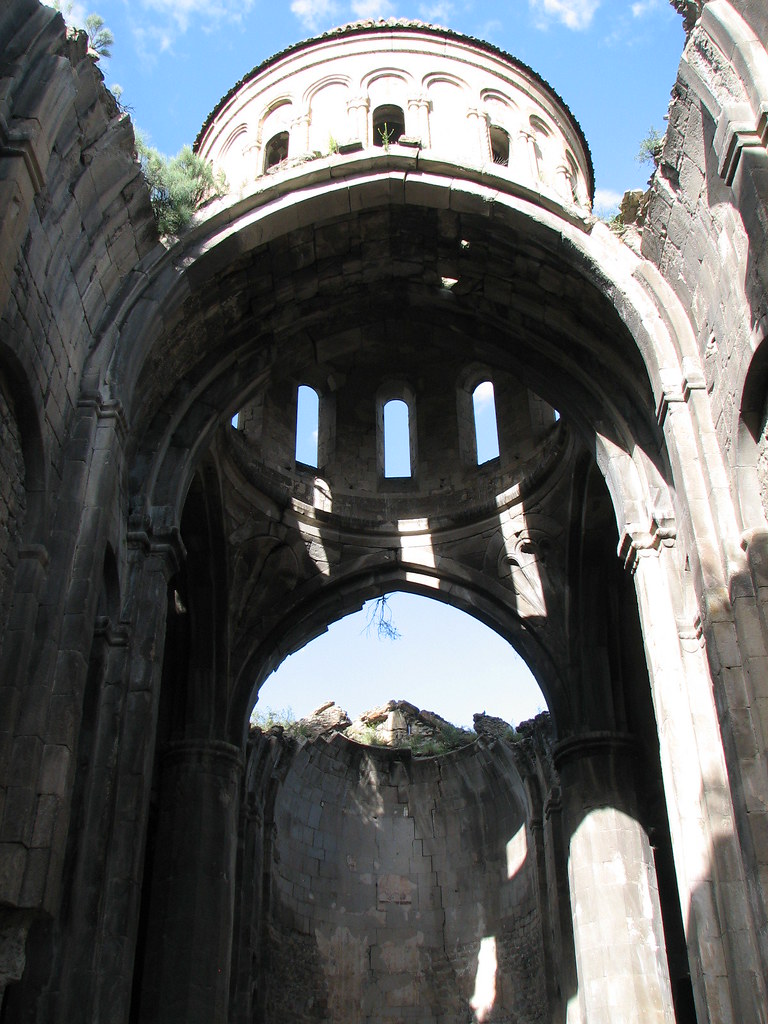
Oshki (Öşk Vank, near Çamlıyamaç village in Uzundere district, Erzurum) is the largest of the group, a domed cathedral from the 10th century. For years it stood open to the sky and in poor shape. A Georgian heritage overview we checked describes restoration as in progress, and Turkish researchers published a mortar study for its walls in 2023. We treat Oshki as a working monument: you can see the church, but scaffolding or fenced areas are possible, and we check the latest situation before each trip.

Oshki Monastery, Erzurum province. Photo: bansheezm, CC BY 2.0, via Openverse
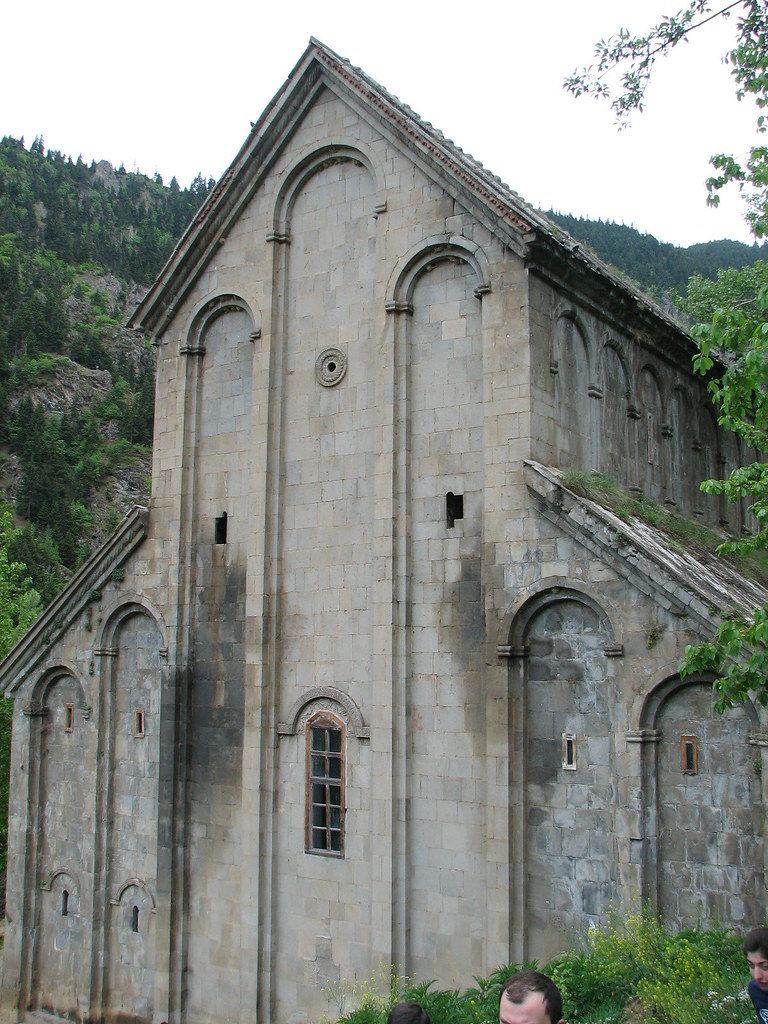
Ishkhani (İşhan, Yusufeli district, Artvin) is a cathedral with a 7th-century core, rebuilt in the 11th. The same Georgian overview lists its restoration as completed, together with archaeological work. Much of the original fabric is gone, but the carved arcading of the eastern apse is the reason people come.
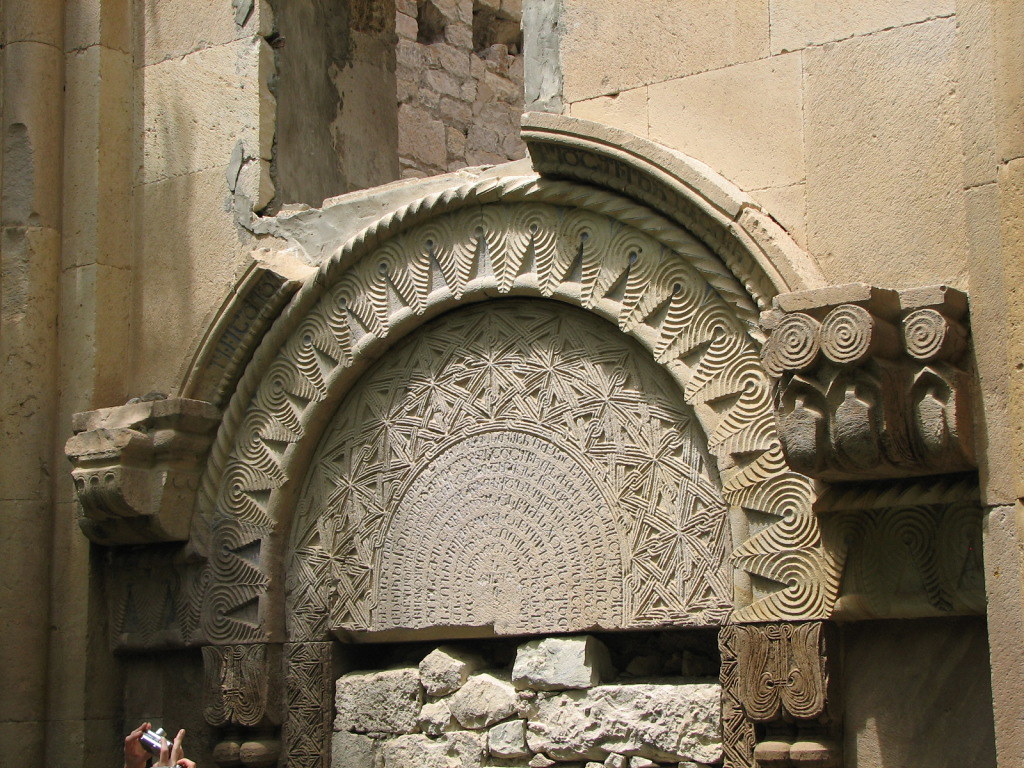
Khakhuli (Haho, now Bağbaşı village, Erzurum province) was a major 10th-century monastic centre, and its carved details are among the finest in the region. The church is now used as a mosque. See the etiquette section below before you plan the visit.
Klarjeti valleys: Parkhali, Tbeti, Dolisqana, Otkhta Eklesia and Opiza
Klarjeti is the western part, deep in the Artvin valleys. Parkhali (Barhal, also Altıparmak or Yaylalar) is the best preserved. Its restoration is listed as completed, and the village works as a hiking base, so a night there is practical.

Parkhali (Barhal) Church, Artvin province. Photo: bansheezm, CC BY 2.0, via Openverse
The others are mostly ruins or abandoned buildings. Tbeti (Cevizli) is in ruins, with archaeological work only partly done. Dolisqana (Hamamlı) is abandoned, Otkhta Eklesia (Dörtkilise) is an abandoned church still worth the drive for its setting, and Opiza, near Bağcılar village, is a ruin. These stops suit travellers who care about the history more than the architecture. Access runs on village roads, some unpaved, so vehicle choice matters.
One practical note. The Yusufeli area changed with the Yusufeli Dam, which flooded the old valley bottom and moved the town. Some road connections are new, and we check the current route when we price your trip.
Which border to use: Sarpi, Vale–Türkgözü or Kartsakhi–Aktaş
For almost everyone coming from Batumi, Sarpi is the answer. It is the Black Sea crossing, close to Batumi, and travel references list it as open round the clock. From there the Artvin road is direct.
The inland posts are Vale (Türkgözü on the Turkish side) and Kartsakhi (Aktaş), both in Ardahan province. They suit groups coming from Akhaltsikhe or Tbilisi through Samtskhe-Javakheti, and they put you on the Kars and Ardahan side. We could not confirm current passenger hours for them from official pages. Türkgözü was closed to passengers during the pandemic and a later renovation, and one Georgian review from 2024 describes Aktaş as mostly a truck crossing. Check the current status with the Georgian Revenue Service before you choose them, and ask us if you want a route through Kars and Ani.
| Crossing | Best for | Hours note |
|---|---|---|
| Sarpi (Sarp) | Batumi, Adjara, Artvin and Yusufeli route | Listed as 24 hours; confirm before travel |
| Vale (Türkgözü) | Akhaltsikhe, Ardahan, Kars | Passenger status has varied; confirm |
| Kartsakhi (Aktaş) | Ninotsminda, Çıldır, Kars | Mostly freight in reports; confirm |
Sample itineraries: 2, 3 and 4 days
Drive times below are rough estimates, not guarantees, because mountain roads and checkpoints vary.
Two days. Day 1: Sarpi, Artvin and Yusufeli, about four to five hours without stops; overnight in Yusufeli. Day 2: Ishkhani, Oshki and Khakhuli, then back towards the border, a long day. Two days is a fast pass and we suggest it only for groups that already know the area.
Three days. Day 1: Sarpi to Artvin and Yusufeli, with stops at the Çoruh viewpoints; overnight in Yusufeli. Day 2: Barhal and the Klarjeti ruins in the morning, Ishkhani in the afternoon; overnight in Yusufeli. Day 3: Oshki and Khakhuli on the Uzundere and Tortum side, then back to Sarpi. This is the version most church groups choose.
Four days. Add a night at Uzundere or Tortum so Oshki and Khakhuli get the early light, plus a half day at Tortum Waterfall. Alternatively finish in Erzurum for a flight or bus connection.

Ishkhani (İşhan) Church, Artvin province. Photo: bansheezm, CC BY 2.0, via Openverse
Churches today: mosques, ruins, restorations and visiting etiquette
Most of these churches sit under Turkish state heritage protection, which explains why their conditions differ so much. Oshki is under restoration, Ishkhani and Parkhali are described as restored, Khakhuli is used as a mosque, and the rest are ruins. Ownership and restoration policy were the subject of a Turkey–Georgia heritage agreement in 2017 and of public disagreement in Georgia afterwards, so you will hear different views from different people. Our guides keep to what is on the ground.

Khakhuli (Haho) Monastery, Erzurum province. Photo: bansheezm, CC BY 2.0, via Openverse
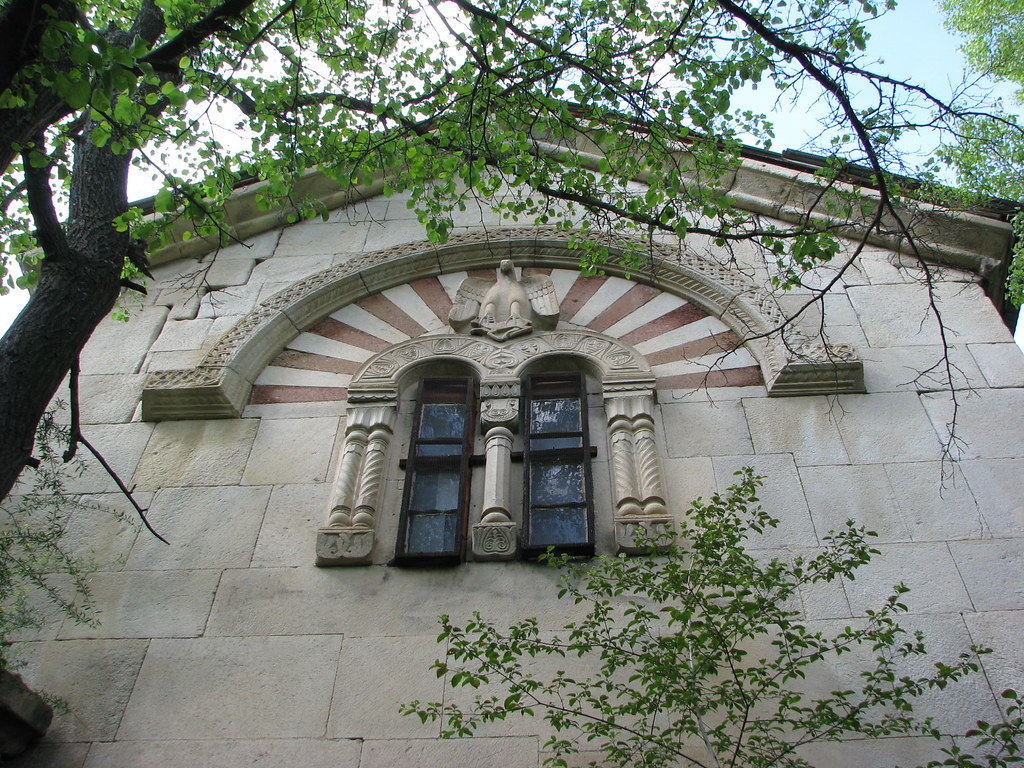
At Khakhuli you are entering a working mosque. A 2023 visitor report says access is limited to prayer times, so we phone ahead and plan around the call to prayer. Dress modestly, with covered shoulders and knees, and women should carry a scarf. Shoes come off at the door. Photography inside is a matter for the caretaker, so ask first. In the quiet churches you are free to take photos, but please do not climb on walls or carve names. Groups that want to hold a short prayer should tell us in advance, and we ask the local caretaker.
Groups, guides and vehicles: how we organise it
We operate private tours daily and organise Tao-Klarjeti as a private vehicle with driver and a licensed guide. Guides are available in English, Russian and Turkish, and a Georgian-speaking guide can be arranged on request, with the date confirmed in advance. For church groups and families we use a minibus or van sized to the party, and we plan stops so that the day does not turn into one continuous drive.
There is no fixed list price for this route, since days, overnights and group size change the cost. Send the dates and the number of people on WhatsApp and we return a quote.
Combine it with Trabzon, Sumela or Kars and Ani
Many groups attach Tao-Klarjeti to the Black Sea. The Trabzon Sumela Monastery Tour is from $120, the Private Uzungöl Day Trip from Trabzon is from $80, and the Rize, Ayder Highland and Storm Valley tour is from $85. Our sibling page on a Trabzon day trip from Batumi covers the coast.

Trabzon Sumela Monastery Tour, from $120
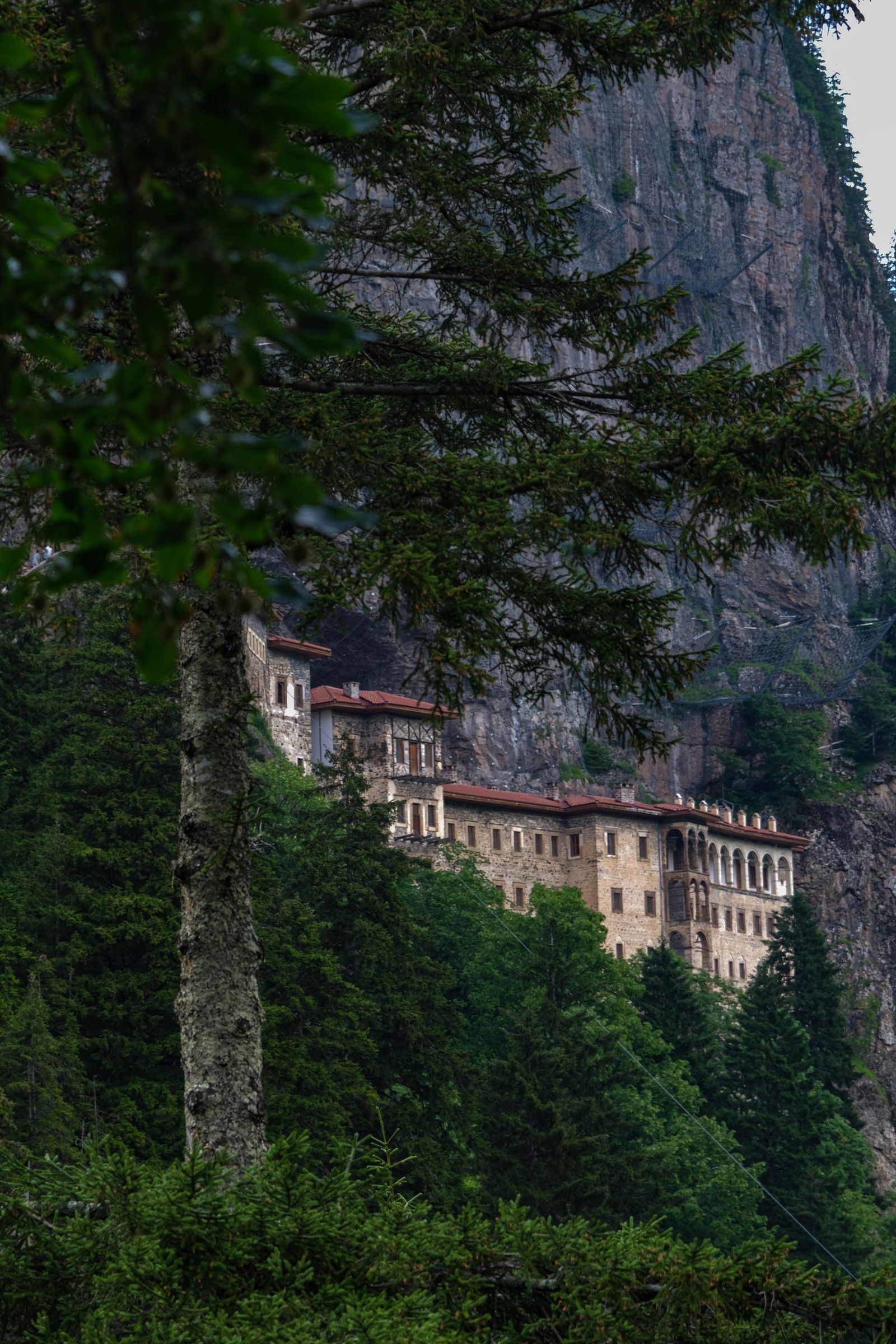

Private Uzungöl Day Trip from Trabzon, from $80
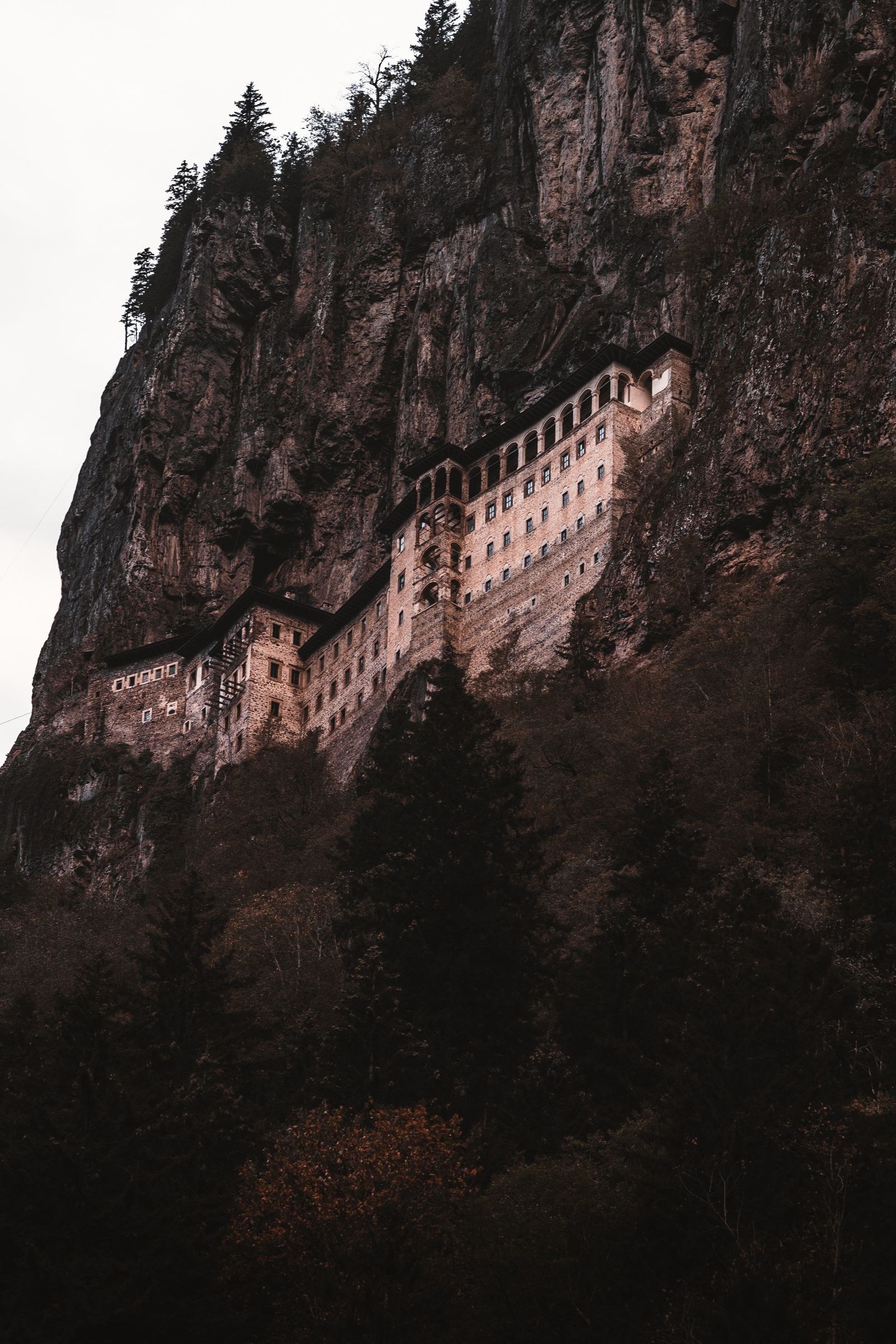
If you prefer the inland side, the Private Ani Ruins and Kars Tour is price on request, and it fits after Ardahan. Groups going on to Istanbul often add the Istanbul Active Churches Tour with Private Guide, from $180, which suits visits connected with the Ecumenical Patriarchate. For a single-booking route, see the Istanbul and Trabzon package and the Batumi to Istanbul page, or browse all Turkey tour packages.
Practical: ID card, money, food, roads and season
Documents. The Turkish foreign ministry lists Georgian passport holders as visa-free for up to 90 days. Georgian citizens have also been able to cross with a national ID card since a 2011 arrangement, but we could not find this on the English visa page we read, so carry your passport anyway.
Money. Turkey uses the lira. Cards work in the larger towns such as Artvin and Yusufeli, but small villages and caretakers are cash-only more often than not, so carry some lira.
Food. Eastern Black Sea and Artvin cooking is built on cheese, cornmeal dishes, trout and local honey. Tell us about fasting days and we plan meals accordingly.
Roads and season. Late May to early October is dependable. Snow can close the high roads between about November and April, and the villages around Barhal and Ishkhani are among the first to be cut off. September gives good light and moderate temperatures.
To plan your Tao-Klarjeti dates, message us on WhatsApp with the number of people and the days you have.
Frequently Asked Questions
Can Georgian citizens enter Turkey with an ID card?
Georgian citizens have crossed into Turkey on a national ID card since a 2011 arrangement, and Georgian passport holders are visa-free for up to 90 days. The Turkish foreign ministry page we read did not mention the ID-card rule, so carry your passport as well.
How many days do you need for Tao-Klarjeti?
Three days is the comfortable minimum for Oshki, Ishkhani, Khakhuli and Barhal by road. Two days works for the three great churches only, and four days lets you add the Klarjeti ruins and a night at Tortum. Mountain drive times decide the plan.
Which Georgian monasteries are in Turkey?
The main ones are Oshki, Ishkhani, Khakhuli and Parkhali, with ruins at Tbeti, Doliskana, Otkhta Eklesia, Opiza, Bana and Khandzta. They lie in Artvin, Erzurum, Ardahan and Kars provinces and date mostly from the 9th to 11th centuries.
Can you visit Oshki Monastery?
Yes, Oshki is visited by travellers at Çamlıyamaç village near Uzundere in Erzurum province. Restoration is described as in progress, so some areas may be fenced. We check the current state before each trip.
Is Khakhuli Monastery a mosque now?
Yes, the church at Khakhuli (Bağbaşı) is used as a mosque, and access is tied to prayer times according to a 2023 visitor report. Dress modestly and remove your shoes. We phone ahead to confirm.
What is the best time to visit Tao-Klarjeti?
Late May to early October is the best window, with September the most comfortable. Snow can close high roads from about November to April, so we do not plan winter trips. Rain is possible on the Artvin side in any month.
How do you get from Batumi to Ishkhani?
Cross at Sarpi, drive to Hopa, then follow the Çoruh river to Artvin and on to Yusufeli, from where the Ishkhani road branches. Allow roughly a full day with stops. A private vehicle with a driver is the practical choice, because public transport does not reach the villages.
Private tours in Black Sea Turkey
Sumela Monastery Full-Day Tour from Trabzon
A full day from Trabzon to the cliffside Sumela Monastery, the Zigana Pass, Hamsikoy village and Karaca Cave.
Uzungol Full-Day Private Tour from Trabzon
A private day from Trabzon to Uzungol lake and the highland villages of Karester and Lustra.
Related guides
- Trabzon Day Trip from Batumi 2027: Sumela, Uzungöl, Prices
- Trabzon Trip from Riyadh and Jeddah 2027: Flights and Family Plan
- Turkey DMC for Gulf Travel Agents: Arabic Guides, Halal Food and Family Trips
- Turkey DMC for Indian Travel Agents: Vegetarian Food, Groups and Weddings
- White-Label Turkey Tours for Resellers: Your Brand, Our Operation
- DMC Turkey: Destination Management for Travel Agents and Tour Operators
- Incentive Travel in Turkey: Reward Trips to Istanbul and Cappadocia
- Incoming Travel Agency in Turkey: Your Local Partner on the Ground
- Istanbul Black Sea Day Trip: A Beach and Pool Day in Şile
- Istanbul and Trabzon Trip: Our Istanbul Package plus Uzungöl, Sumela and Ayder Tours