

Whirling Dervish Ceremony in Cappadocia: Price, Venues, Is It Worth It
A sema ceremony in Cappadocia costs about $35 entry only or $60 with transfers and lasts about an hour. Venues, rules and how it compares with a Turkish night.

A whirling dervish ceremony in Cappadocia costs from about $35 for an entrance-only seat to around $60 with hotel transfers, and our own evening with pickup from Göreme, Ürgüp or Uçhisar is $60. The ceremony itself lasts about 50 minutes to an hour, and the classic venue is the Sarıhan, a Seljuk caravanserai from 1249 a few kilometres outside Avanos.
The sema is not a dance show. It is the prayer ceremony of the Mevlevi order, the Sufi brotherhood founded by followers of the poet Jalal al-Din Rumi, and UNESCO lists it as intangible cultural heritage. In Cappadocia it is usually performed in the evening, in candlelit stone halls, with live music and complete silence from the audience. That is exactly why some visitors call it the most memorable hour of their trip, and why others, expecting entertainment, are bored after twenty minutes. Below are the prices, venues and rules, and an honest comparison with the Turkish night show.
| At a glance | |
|---|---|
| Price | About $35 entrance only; about $60 with hotel transfers |
| Our tour | From $60 with hotel pickup and drop-off, about 3 hours door to door |
| Ceremony length | About 50–60 minutes |
| Main venues | Sarıhan caravanserai near Avanos; cave halls in Avanos and Göreme |
| Photos | Not during the ritual; a short pose often follows |
| Children | Fine for calm older children; long for under-8s |
| Dress | Normal clothes; no dress code |

How much a whirling dervish ceremony in Cappadocia costs
Prices this autumn fall into three bands. Booking platforms list an entrance-only seat at the Sarıhan for about $35 per adult, with no transfer, so you need your own car or a taxi there and back. With hotel pickup, the same ceremony is around $60 on the big platforms, sometimes a little more for the car-and-van option. Smaller cave venues in Avanos run their own ceremonies and are often cheaper, with listings from about $20.
Our Cappadocia whirling dervish ceremony with hotel transfer is $60 per person and takes about three hours from pickup to drop-off. A traditional Turkish drink is included, and so is a local assistant who rides with you and explains the stages of the ceremony before it starts, since nobody speaks during it.
The transfer is worth paying for. The Sarıhan stands alone on the Kayseri road east of Avanos, the ceremony ends after dark, and there is no bus. A taxi from Göreme there and back with waiting time will cost you more than the difference.
Where the ceremony takes place: Sarıhan and the cave halls
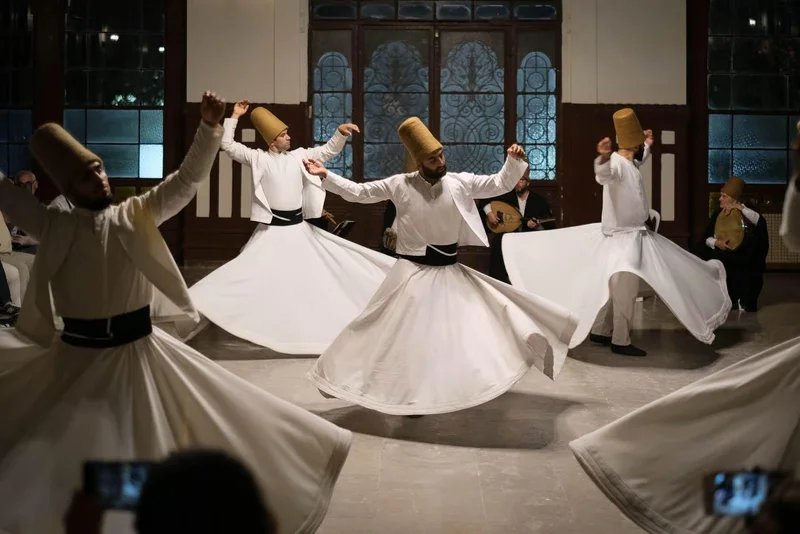
Sarıhan (the "Yellow Caravanserai"). Built in 1249 under the Seljuk sultan İzzeddin Keykavus II and restored in 1991, the Sarıhan sits about 5 km southeast of Avanos and takes its name from the colour of its stone. Merchants on the old caravan routes once slept here with their camels. Today the vaulted hall is used for the sema, and it is the setting most people picture: bare stone walls, low light, the musicians on one side and the semazens turning on a wooden floor.
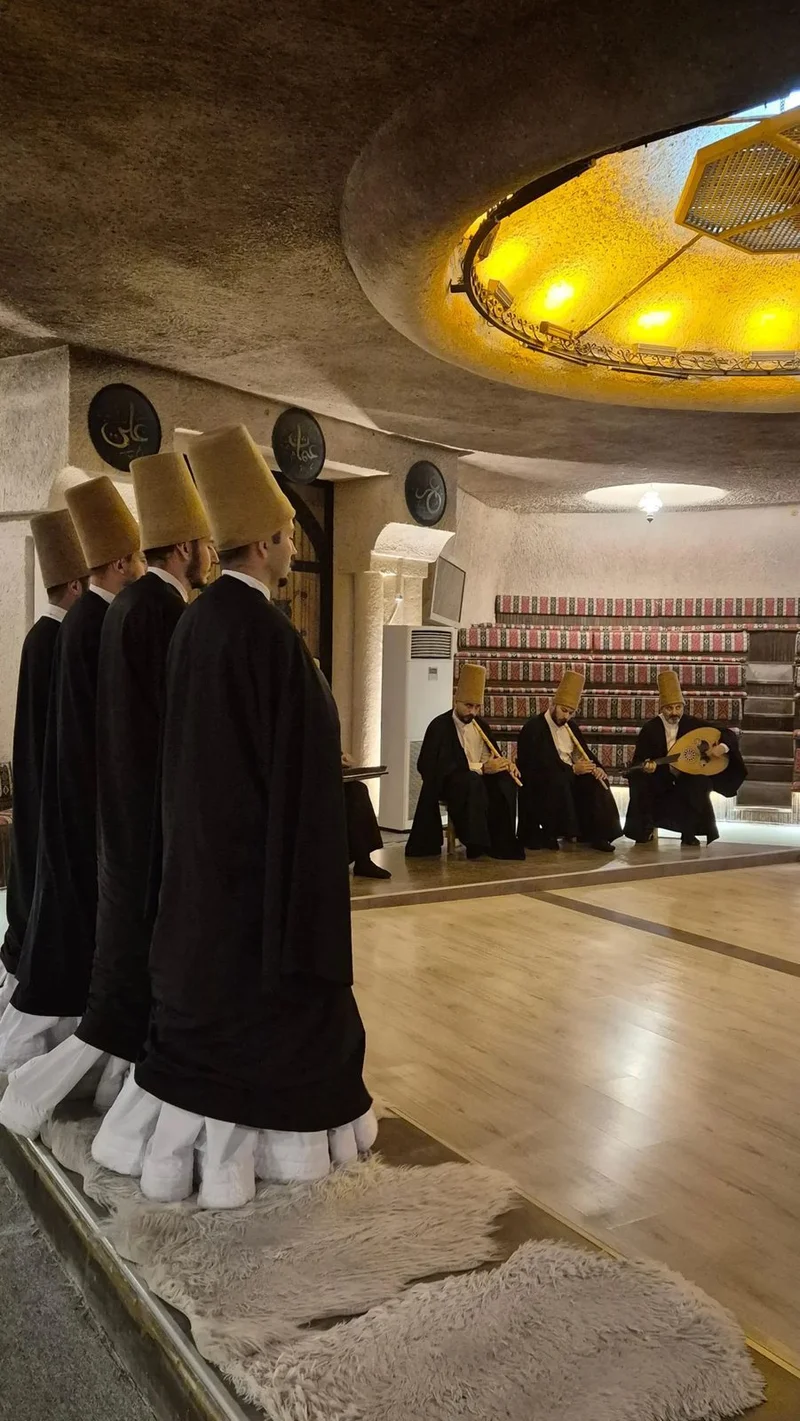
Cave halls in Avanos and Göreme. Several cultural centres carved into the soft rock host ceremonies too. They are closer to the hotels, the acoustics are warm, and the walls are often decorated with reliefs of dervishes. Our tour uses a historic cave or caravanserai hall depending on the night, and we tell you which one when we confirm.

Start times shift with the season, earlier in winter and later in summer. Ask your hotel or us on the day before. If you also plan a balloon at sunrise, an evening sema is the best way to end the day before the 04:30 or 05:00 balloon pickup, because you are back at the hotel by about 21:00 or 22:00.
What happens during the sema
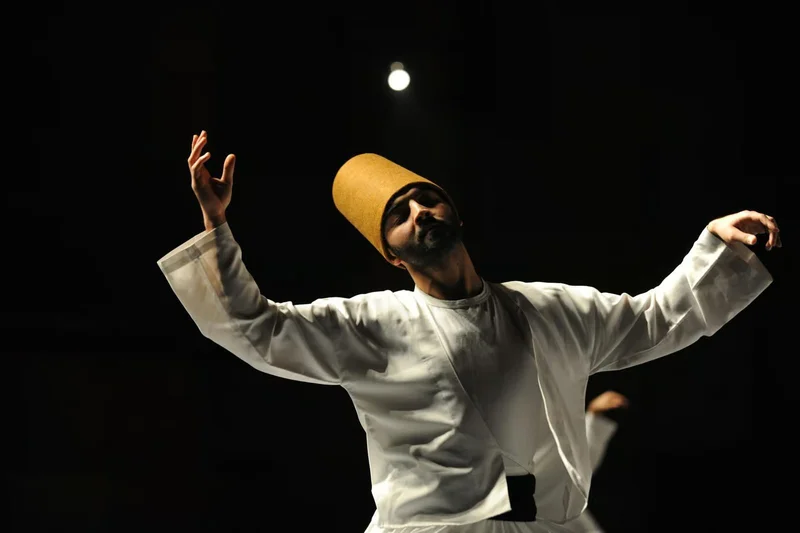
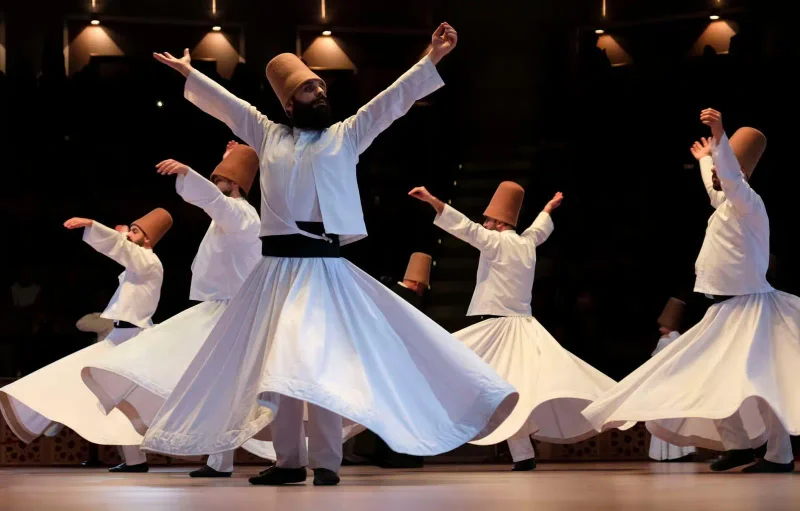
The ceremony follows a fixed order. The musicians begin, usually with the ney, the reed flute that Mevlevi tradition treats as the voice of longing, and the kudüm drums. The semazens enter wearing tall felt hats called sikke and black cloaks, which they drop to reveal white skirts. The hat is often read as a tombstone for the ego and the white skirt as its shroud.
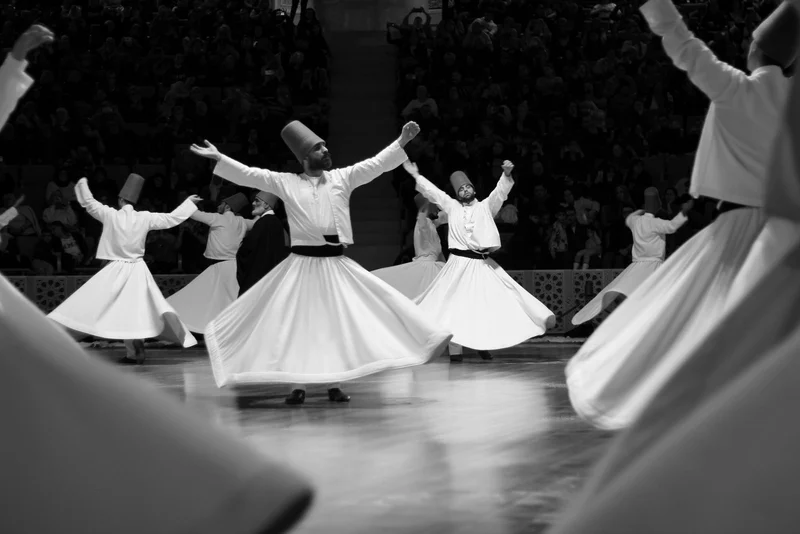
They then turn in four stages, called selams, with the right palm open to the sky and the left facing the floor. The usual explanation is that what is received from God passes through the dancer to the earth. A senior dervish, the şeyh, stands at the post on a red sheepskin and walks among them at the end. The ceremony closes with a recitation from the Quran and a prayer.
There is no applause between parts, and venues ask the audience not to clap at the end either. You will notice how quiet a hall of a hundred people can be.
Sema or Turkish night show: which to book
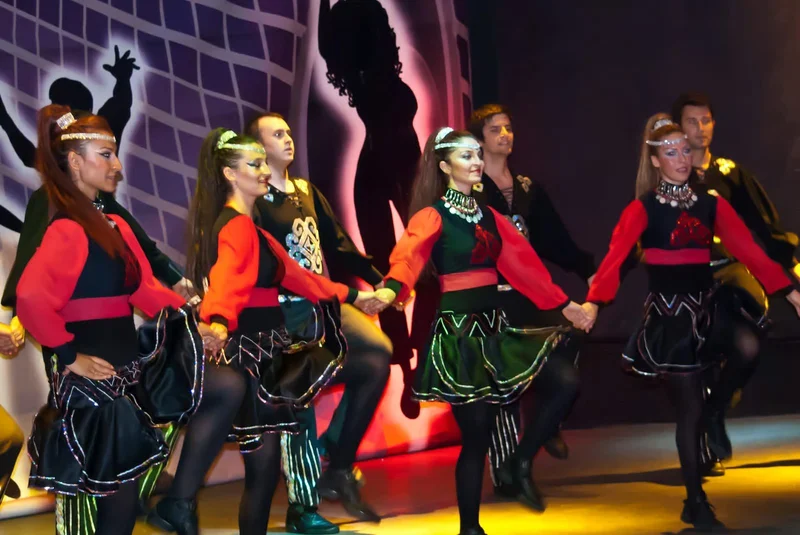
Visitors to Cappadocia often have two free evenings and ask us which one to book. They are completely different nights.
| Whirling dervish ceremony | Turkish night show | |
|---|---|---|
| What it is | A religious ceremony with live Sufi music | Dinner with folk dances, live music and a belly dance show |
| Mood | Silent, meditative | Loud, social, audience joins in |
| Length with transfer | About 3 hours | About 6 hours |
| Food and drink | A traditional drink | Dinner and unlimited soft drinks |
| Our price | From $60 | From $80 |
| Best for | Couples, culture lovers, older children | Groups, families, a party night |
If you have only one evening and want the region's culture, choose the sema. If you want dinner and fun, book the Turkish night show in a cave restaurant, which we reviewed in detail in our report on Cappadocia's Turkish night show.
Rules: photos, children and what to wear
Photos and video. Not allowed while the ritual is under way. Phones should be silent. At many venues the semazens turn again briefly after the ceremony so guests can take pictures. Wait for the staff to announce it.
Children. The ceremony asks for an hour of stillness. Children of about eight and over who can sit quietly usually find it impressive, but toddlers struggle. Families with small children are better off at the Turkish night.
Clothing. There is no dress code. Bring a layer in the colder months. Stone halls are cool and Cappadocia evenings drop close to freezing from November.
Arrive on time. Doors close when the ceremony begins.
Is it worth it, and what about Konya?
For most visitors, yes, as long as they know what they are booking. You are not watching a performance staged for tourists. You are watching a prayer in a place built nearly 800 years ago, for about the price of a dinner. People who come for the photos alone tend to be disappointed, and the ones who come for the atmosphere tend to stay silent for a while on the drive back.
Konya, the home of Rumi's tomb and the Mevlana Museum, is about three hours by road from Cappadocia, and every December it holds the Şeb-i Arus commemoration, a week of ceremonies leading up to 17 December, the night of Rumi's death in 1273. If your dates fit, it is the most important sema of the year. Our page on the Konya whirling dervish festival tour covers that week. In Istanbul, the Galata Mevlevi Lodge and other venues hold regular ceremonies. See our guide to where to see the whirling dervishes in Istanbul.
What this means for your trip
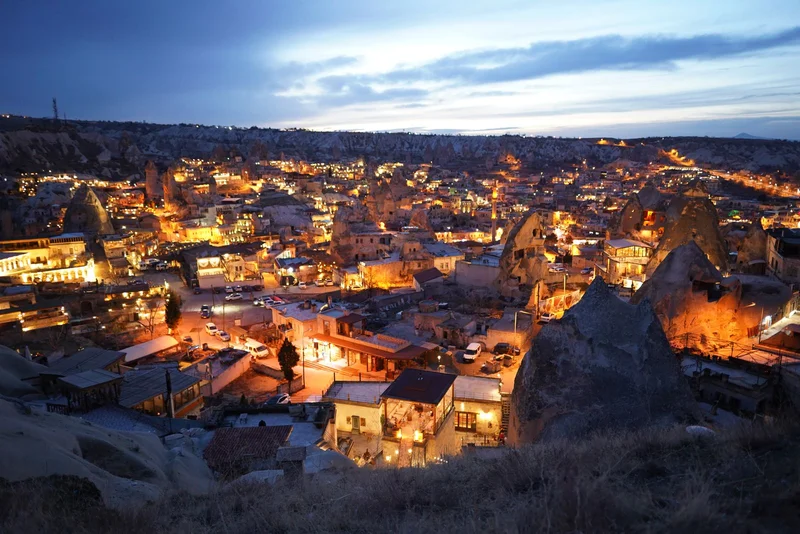
Plan the ceremony for your first or second evening in Cappadocia, not the night before a long drive. A good two-day rhythm is a balloon at sunrise, the Red Tour through Paşabağ, Zelve and Avanos in the day, and the sema in the evening, all from the same hotel. If balloons are cancelled for wind, the ceremony still runs, so it is a good fallback evening. For what else to do around the village, see our guide to things to do in Göreme, and for choosing between day tours read our comparison of the Red Tour and Green Tour.
Questions travellers are asking
How much is the whirling dervish show in Cappadocia?
A whirling dervish ceremony in Cappadocia costs about $35 for an entrance-only ticket at the Sarıhan caravanserai and about $60 with return hotel transfers from Göreme, Ürgüp, Uçhisar or Avanos, while smaller cave venues in Avanos can start from around $20 per person. Our transfer-included evening is $60 with a traditional drink.
Where can I see the whirling dervishes in Cappadocia?
The best-known venue is the Sarıhan, a Seljuk caravanserai built in 1249 about 5 km southeast of Avanos, and several cave cultural centres in Avanos and Göreme also hold regular evening ceremonies with live Sufi music in halls carved into the rock. Transfers are recommended because the Sarıhan has no public transport.
How long is the whirling dervish ceremony?
The sema itself lasts about 50 minutes to an hour, from the opening music to the final prayer, and a tour with hotel pickup and drop-off takes around three hours in total, depending on where your hotel is and which venue is used that evening. You are usually back in time for an early balloon pickup the next morning.
Can you take photos at the whirling dervish ceremony?
No, photos and video are not allowed during the ceremony because it is a religious ritual rather than a show, but at many Cappadocia venues the semazens turn again for a few minutes after the prayer ends so the audience can take pictures. Phones should stay silent throughout.
Is the whirling dervish ceremony suitable for children?
It suits children of roughly eight and older who can sit quietly for an hour, because the ceremony is slow, silent and repetitive, while toddlers and young children usually find it hard and families with small kids often enjoy a Turkish night show far more. There is no age limit at most venues.
Is the whirling dervish ceremony worth it in Cappadocia?
It is worth it if you want to see a living Sufi ritual in a historic setting such as the 13th-century Sarıhan caravanserai, but it is not entertainment, so travellers expecting dancing, food and audience participation should book a Turkish night show instead. Many guests call it the calmest hour of their trip.
What is the difference between the sema and a Turkish night?
The sema is a silent Mevlevi prayer ceremony with live Sufi music lasting about an hour, while a Turkish night is a six-hour dinner evening with folk dances, belly dancing and soft drinks, and the two cost from $60 and from $80 respectively on our tours. Many visitors do both on different nights.
Plan it with us
Book the Cappadocia whirling dervish ceremony with hotel transfer from $60, or pair it with a sunrise hot air balloon flight from $199 and the Red Tour with lunch from $60. Coming from Istanbul, our Cappadocia 2-day flight package starts from $599 with flights and a cave hotel, and we can add the ceremony on your first evening.
Message us on WhatsApp +90 545 307 67 88 with your hotel and dates, and we will confirm the venue and pickup time.
Sources: UNESCO, Mevlevi Sema Ceremony (Representative List, 2008); Turkish Archaeological News, Sarı Han Caravanserai; booking platform listings checked in October 2026.
Tours for this trip
Cappadocia Whirling Dervish Ceremony with Hotel Transfer
An evening at the Mevlevi Sema ceremony in a historic cave or caravanserai hall, with live Sufi music and hotel transfers.
Cappadocia Turkish Night Show in a Cave, Dinner Included
An evening in a Cappadocia cave restaurant with a Turkish dinner, folk dances, live music, a belly dance show and soft drinks.
More news
CappadociaCappadocia Red Tour vs Green Tour vs Blue Tour: Which to Book
CappadociaAvanos Pottery Workshop in Cappadocia: Price, Studios and How to Book
CappadociaCappadocia Weather and Balloon Forecast: 2027 Guide for Chinese Visitors
CappadociaCappadocia Itinerary 2 or 3 Days: What to Do and 2027 Prices
CappadociaCappadocia Balloon Flight Status Today: How to Check Flags and Wind
CappadociaIstanbul and Cappadocia Tour 2027: 5 to 8 Days, Costs, Best Time