

CappadociaCappadocia17 November 20268 min read
What to Buy in Cappadocia 2027: Avanos Pottery, Carpets, Onyx, Wine and Fair Prices
What to buy in Cappadocia: Avanos pottery, kilims, onyx, Emir wine and small gifts, with price ranges, bargaining tips and export rules.
In this article
What to buy in Cappadocia comes down to five things: Avanos pottery, a handmade kilim or carpet, a polished stone piece sold as onyx, a bottle of Emir white wine from Ürgüp, and small items such as evil-eye charms and dried fruit. Budget roughly $20 to $60 for a good piece of pottery, from about $80 for a small kilim, $15 to $20 for a bottle of local Emir, and expect real hand-knotted carpets to start in the hundreds of dollars. All of those are ranges from sources that disagree with one another, so treat them as a starting point for bargaining, not a price list.
The easiest way to see most of the shopping in one day is our Cappadocia Red Tour at $80 per person, because its Avanos stop includes a working pottery workshop, with Paşabağ, Zelve and lunch around it. The rest of this guide covers what each category costs, how to tell the real thing from the tourist version, and what you can and cannot carry home.
What to buy in Cappadocia: the short list
| Item | Where it comes from | Rough price range | Watch out for |
|---|---|---|---|
| Pottery | Avanos, on the Kızılırmak | About $20 to $500+ depending on size and glaze | Machine-moulded pieces sold as hand-thrown |
| Kilim | Göreme, Ürgüp, Avanos co-ops | From about $80 for small ones | Synthetic dyes, wool-cotton mixes sold as all wool |
| Hand-knotted carpet | Ürgüp, Avanos, Uçhisar shops | Hundreds of dollars; silk blends $2,000+ | Old carpets and export rules |
| Onyx and stone | Roadside workshops | Varies by size and colour | Banded calcite sold as onyx |
| Emir wine | Ürgüp wineries | About $15 to $20 per bottle (one guide) | Bottles that need to go in the hold |
| Evil-eye charms, dried fruit, pekmez | Any bazaar | Small change | Over-packaged gift sets |
Avanos pottery
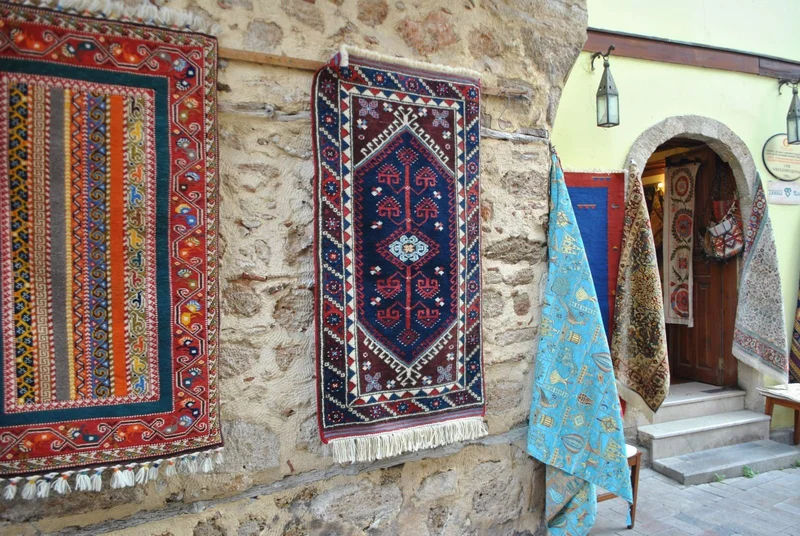
Avanos pottery is the answer most locals give. The town sits on the Kızılırmak, Turkey's longest river, and guides tie its red-clay tradition back to the Hittite period. Workshops still turn pieces on a kick wheel, and a good one lets you watch a pot go from lump to jug in about two minutes before you see the showroom.
How to tell hand-thrown from moulded: look at the base. A thrown pot has a slightly uneven foot ring and faint spiral lines inside; a moulded one is perfectly regular and the glaze runs unnaturally evenly. Ask the potter which pieces came off the wheel that week, and if the answer is vague, the showroom is mostly stock. Wine decanters, a local speciality, take months to make because the body is built from several parts, so a cheap one is suspect.
Fully glazed pieces are food-safe, but unglazed bisque is not. Some studios will ship overseas and insure the parcel; delivery can take several weeks, according to one 2026 guide. We went through the workshop options, the paid two-hour classes and the Güray Ceramics Museum, where the full ticket was 300 TL when we checked on 2 November 2026, in our post on the Avanos pottery workshop, price and how to book.
Kilims and carpets
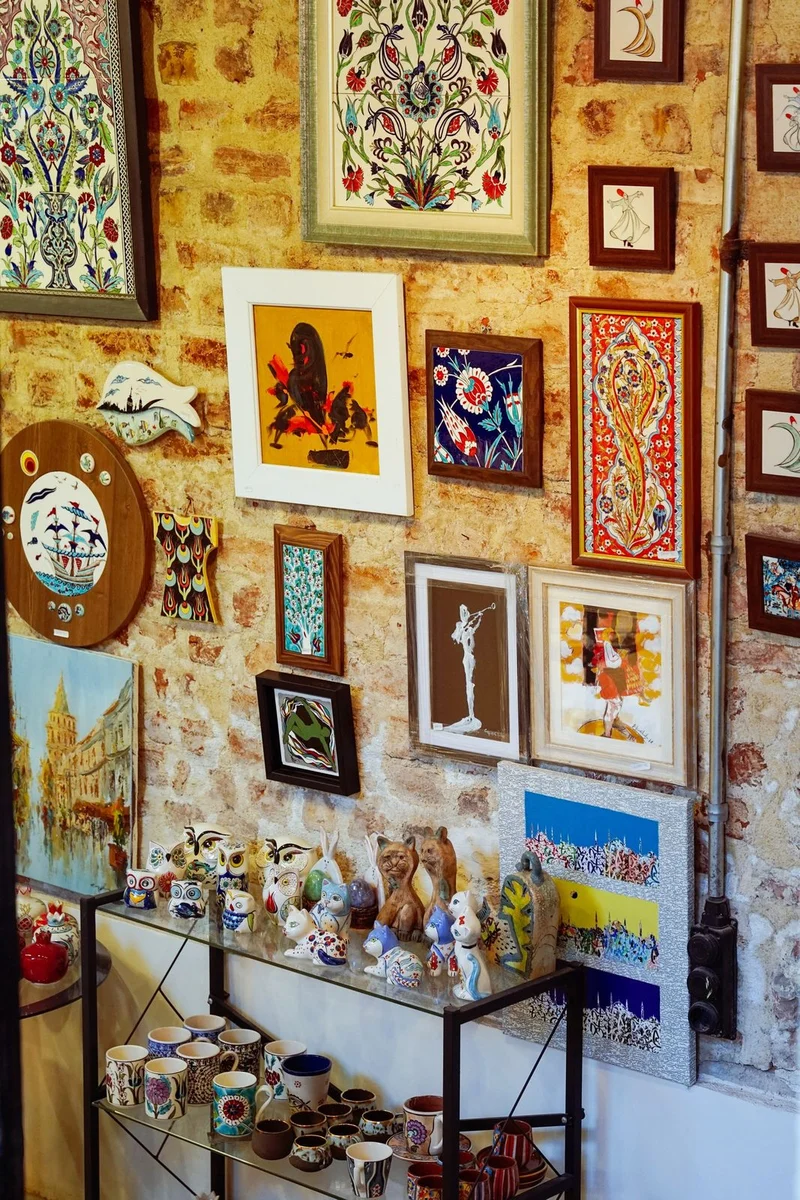
Rugs are the single biggest purchase most visitors make, and the most common regret. Three points save money.
Know the material. Price ranks, from cheapest to most expensive, roughly wool on wool, cotton on wool, cotton on cotton, cotton on silk and silk on silk. A shop that says "all wool" for a price that is a quarter of its neighbour's usually means wool and cotton.
Know the difference between kilim and carpet. A kilim is flat-woven and light, so it folds into a suitcase. A carpet is knotted, heavier and much more expensive. For most luggage-limited tourists, a kilim of 1 by 1.5 metres is the realistic purchase.
Check the export rules for old pieces. Turkey restricts the export of antiquities and cultural property under Law 2863, and sources describe a museum certificate as the usual proof for old carpets. A new carpet needs the shop's invoice. If a dealer says a carpet is more than a hundred years old, ask for the paperwork before you pay, because customs can open the parcel and a certificate does not guarantee clearance. We could not confirm the exact permit process from an official source, so check with the ministry or the shop before you buy.
Haggling is normal, but it works best when you have the answer to "what is it made of" before you start. Co-operatives such as the women's rug workshops in Avanos tell you the material and the story without pressure, which is worth more than the first 10% off.
Onyx and polished stone
Cappadocia's roadside stone workshops sell bowls, eggs, chess sets and coasters, usually under the name onyx. Much of what is sold under that label for decorative items is banded calcite, a softer stone; true onyx is much harder on the Mohs scale. The practical advice is simple: buy it because you like it, not because someone has called it precious. Ignore claims about healing or rarity, and ask the seller to name the stone in writing on the receipt.
Heavy stone is also the easiest way to blow your baggage allowance. A single bowl can weigh a couple of kilos, so check your allowance before you buy three. Prices vary with colour and size, and one expert's rule is that a huge stone at a huge discount is usually fake.
Wine from Ürgüp
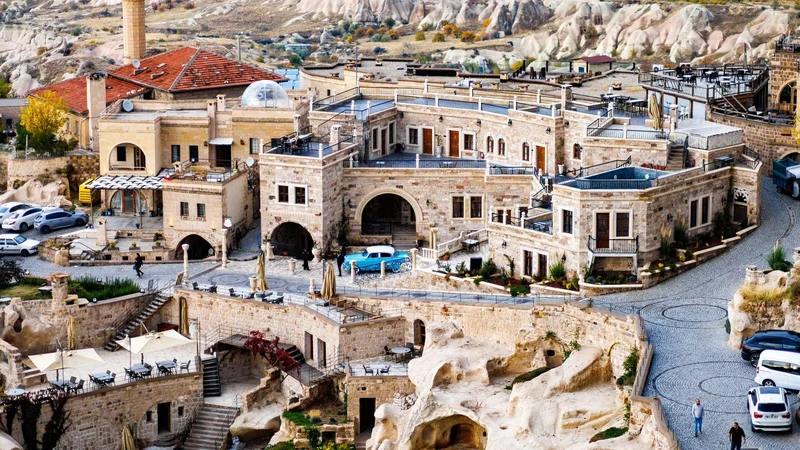
Cappadocia wine is better than most visitors expect. The region's signature white grape is Emir, which one source says is grown nowhere else in Turkey and makes up about a quarter of local grape production. Ürgüp is the centre. Turasan and Kocabağ are the two names that come up most, with tastings in rock-cut cellars.
One guide puts a retail bottle of Turasan Emir at about $15 to $20. Fodor's lists a cellar tour with four tastings at Turasan in Ürgüp at 600 TL, and booking platforms list one-hour wine tastings at roughly $29 to $52 per adult, so shop before you book. A bottle is cheaper in the winery shop than at a hotel minibar, and cheaper again than at the airport.
Rules for carrying: wine goes in checked baggage wrapped in clothes, and liquids above 100 ml cannot go through cabin security. If you plan to buy several, ask the winery to box them. For a dinner to go with the wine, see our where to eat in Cappadocia guide.
Small things that make good gifts
Evil-eye charms (nazar) run from small change up to a few dollars each, up to $50 for large handmade glass pieces. Dried apricots, figs and pekmez (grape molasses) are sold across the region, and the better ones are in the bazaars of Ürgüp and Nevşehir rather than tour-stop shops with packaging. Turkish delight is available everywhere and keeps for weeks; buy it by weight rather than in a branded gift box.
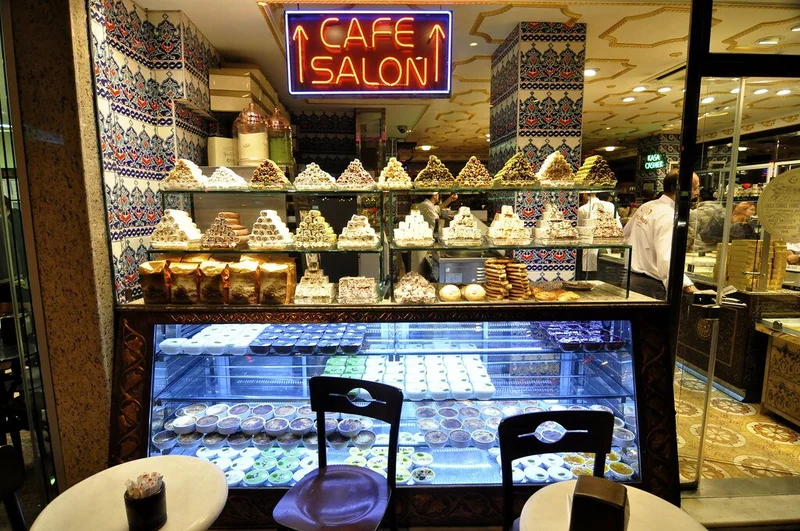
If you are also passing through Istanbul, do not double up: the Grand Bazaar sells the same carpets at higher opening prices, and we cover that city's shopping in what to buy in Istanbul.
Where to go shopping, and when
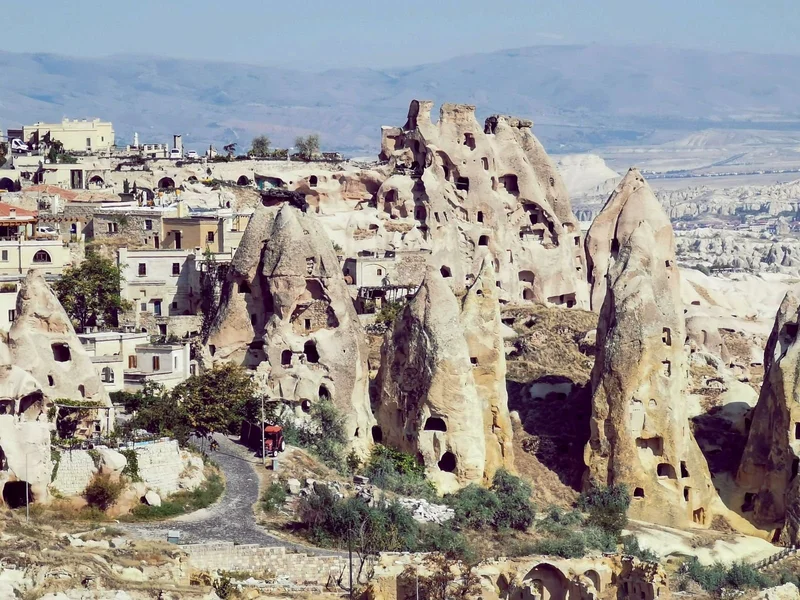
Göreme and Ürgüp have the biggest concentrations of shops, and Avanos has the potters and the rug co-ops. If you have one free afternoon, go to Avanos first, then Ürgüp for the wine; both are a short drive from Göreme. Opening hours vary by shop and season, so ask your hotel before you set out.
On many group tours the shopping stops are chosen by the operator, so ask what is on the schedule. Ours puts one pottery workshop on the Red Tour and lists it in the programme; nothing obliges you to buy. For a plan that leaves room for shopping, the Green Tour at $80 covers Ihlara, Derinkuyu and Selime, and the 4-day Cappadocia package at $750 gives a free afternoon in the middle. The 8-day Cappadocia package at $1,299 is the longer version, and the 2-day flight package at $599 is the shortest one that still includes an Avanos stop. More choices are on our Cappadocia tours page and our packages list, and our sister site Get Türkiye Tours has the wider Turkey picture. For where to stay and what else to do around Göreme, read things to do in Göreme.
What to leave alone
Skip the "antique" coins and "Hittite" artefacts sold from the back of a stall: they are almost certainly fakes, and real antiquities cannot legally leave the country. Skip carpets that arrive "specially priced just for you" at a tour stop. Skip glass lamps and ceramics that are clearly imported; Cappadocia has plenty of local products, and the cheap ones are usually made elsewhere.
Frequently Asked Questions
What should I buy in Cappadocia?
Avanos pottery and a kilim are the two best purchases, followed by Emir wine from Ürgüp. Onyx is popular but is often calcite, so buy it for the look.
Is pottery cheaper in Avanos than in Göreme?
Usually yes. Avanos has the workshops, and shops that make their own pieces tend to quote less than resellers in Göreme. Ask whether the piece was made there.
How much does a Turkish carpet cost in Cappadocia?
Small kilims start at about $80, and hand-knotted carpets run from hundreds of dollars to $2,000 or more for silk blends. Prices depend on size, material and knot count, so compare at two shops.
Can I take a carpet out of Turkey?
New carpets can leave with the shop's invoice. Old carpets may need a museum certificate under Law 2863, and customs can inspect parcels, so confirm the rules before buying anything described as antique.
Is Cappadocia wine worth buying?
Yes. Emir, the local white grape, is the one to look for, and a bottle from a Turasan or Kocabağ shop is about $15 to $20 by one guide. Check your baggage allowance before buying several.
Does the Cappadocia Red Tour include shopping?
It includes a stop at a traditional pottery workshop in Avanos, along with Paşabağ, Zelve and lunch, for $80 per person. There is no obligation to buy.
Written by the Get Istanbul Tours team: licensed local guides and trip planners based in Istanbul.
Leave a Comment
Private tours in Cappadocia
Cappadocia Red Tour: Pasabag & Zelve, Lunch Included
A full-day small-group tour of North Cappadocia: Devrent Valley, Pasabag, Avanos pottery, Zelve and Love Valley, with lunch.
Cappadocia Green Tour: Underground City, Lunch Included
A full-day guided tour of South Cappadocia: Derinkuyu Underground City, Ihlara Valley, Selime Monastery and lunch.
Related articles
 Where to Stay
 in Cappadocia for Hot Air Balloons in 2027
Göreme puts the balloons over your roof, Uçhisar gives the widest view, Ürgüp has the best dinners. Area table, pickup times and balloon flights from $199.
Read More Prices & Costs
3-Day Cappadocia Tour from Istanbul Price (2027): What $1,050 Includes
Our 3-day Cappadocia tour from Istanbul is $1,050 per person with flights, two nights, Red and Green Tours. Compared line by line with 2-day trips, buses and balloon add-ons.
Read More Itineraries
Istanbul and Cappadocia Itinerary 4 Days (2027): Hour-by-Hour Plan and Costs
Two days in Istanbul, two in Cappadocia, one flight each way: an hour-by-hour 4-day plan with three route variants, a balloon backup and our real prices.
Read More