


ItinerariesIstanbul5 October 202613 min read
Istanbul vs Budapest: City Break Costs, Baths and Sights Compared
Budapest suits 2–3 days, Istanbul 4. 2026 tickets, thermal baths vs hammams, the Danube vs the Bosphorus, costs, seasons, flights and visas compared.
In this article
- Istanbul vs Budapest at a glance
- Which is better for a short city break?
- The sights compared, with 2026 ticket prices
- Thermal baths vs Turkish hammams: not the same thing
- Is Budapest cheaper than Istanbul?
- The Danube vs the Bosphorus
- Food and nightlife
- Best time to visit Istanbul or Budapest
- Istanbul vs Budapest: which should you choose?
- Travelling from abroad: visas for Türkiye and Hungary
- Frequently Asked Questions
Budapest is a two-to-three-day city break built around thermal baths, the Danube and late nights, while Istanbul needs four days and gives you two empires, two continents and a much bigger city to cross. That is the short answer to Istanbul vs Budapest. The longer answer starts with a surprise: Budapest's oldest working bath, the Rudas, was built by an Ottoman governor in the 1560s, so the two cities have more in common than most travellers expect.
Buda was an Ottoman province for almost 150 years, from 1541 to 1686. The domes over the Rudas pool and the tomb of the dervish Gül Baba on Rose Hill, free to visit daily from 10:00 to 18:00, survive from that time. If you have already been to one city, the other will feel familiar in small ways and very different in scale.
Istanbul vs Budapest at a glance
| Istanbul | Budapest | |
|---|---|---|
| Days for a first visit | 4 | 2 to 3 |
| Population | About 15.7 million | About 1.7 million |
| River or strait | The Bosphorus, between Europe and Asia | The Danube, between Buda and Pest |
| Signature sight | Hagia Sophia, finished in 537 | The Parliament, finished in 1904 |
| Bathing | Ottoman hammams with a scrub and foam wash | Thermal spa pools fed by hot springs |
| Headline ticket (2026) | Hagia Sophia €25 | Széchenyi Baths 13,200 HUF on weekdays |
| Currency | Turkish lira | Hungarian forint (about 360 to the euro in late summer 2026) |
| Getting around | Tram, metro, ferry, funicular | Metro, trams, buses, walking |
| Best for | History in layers, food, the water | Spas, architecture, nightlife, short breaks |
The numbers in the table are what change the trip. Budapest is compact: the Parliament, the Chain Bridge, Buda Castle and the Jewish Quarter are all within a long walk of each other. Istanbul's Old City is walkable too, but Galata, the Bosphorus palaces and the Asian side are separate outings by tram, funicular or ferry.
Which is better for a short city break?
For a weekend of two nights, Budapest is the easier city. You can land on Friday, spend Saturday on Castle Hill and in a thermal pool, take a night walk along the Danube, and still have Sunday morning for the Great Market Hall. Nothing needs a long transfer, and the airport bus reaches the centre in well under an hour.
Istanbul rewards a longer stay. Two days covers only the Sultanahmet core: Hagia Sophia, the Blue Mosque, the Basilica Cistern and Topkapı Palace. A third day goes to the Bosphorus and Dolmabahçe Palace, and a fourth to Galata, Balat or the Asian side. Our article on how many days to spend in Istanbul breaks this down day by day.
So the honest rule is simple. With three nights or fewer, Budapest fits better. With four nights or more, Istanbul gives you more to do per day, and Budapest starts to repeat itself unless you add day trips to Szentendre or the Danube Bend.
The sights compared, with 2026 ticket prices
Both cities have a handful of sights almost everyone visits. Prices below are adult rates for 2026 from the official sites or the most recent published lists; check before you go.
| Sight | City | Adult price, 2026 |
|---|---|---|
| Hagia Sophia, upper gallery | Istanbul | €25 |
| Topkapı Palace with Harem | Istanbul | 2,750 TL |
| Basilica Cistern, daytime | Istanbul | 1,950 TL |
| Széchenyi Baths, Monday to Thursday | Budapest | 13,200 HUF |
| Széchenyi Baths, Friday to Sunday | Budapest | 14,800 HUF |
| Parliament guided tour, EEA citizens | Budapest | 7,000 HUF |
| Parliament guided tour, non-EEA visitors | Budapest | 14,000 HUF |
| Fisherman's Bastion, upper towers | Budapest | 1,700 HUF |
| Gül Baba's Tomb | Budapest | Free |
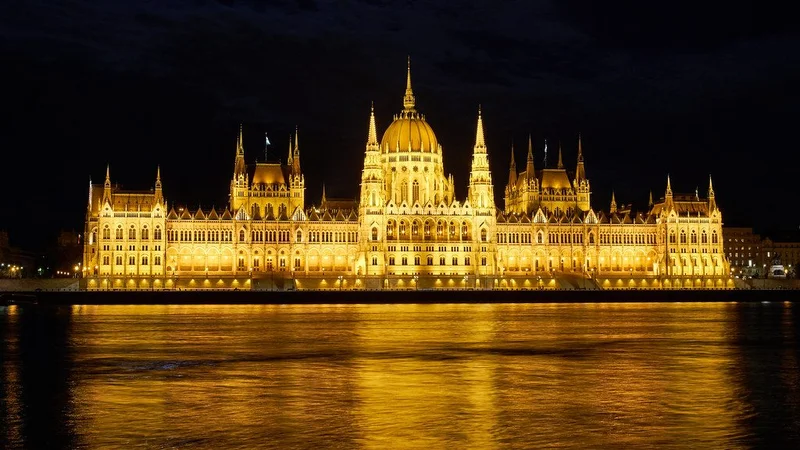
Budapest's big ticket is the Parliament, and it is the one that sells out. The 45-minute tour runs in several languages, the price depends on your passport, and you show ID at the door. The Fisherman's Bastion is free on the lower terraces at all hours; only the upper towers are charged, and only during the day.
In Istanbul the bill is higher because there are more paid sights in one small area. Hagia Sophia, Topkapı with the Harem and the Cistern together come to well over €100 per person. The queue matters as much as the price: Topkapı closes on Tuesdays, and Hagia Sophia opens to visitors only from 14:30 on Fridays. Our Hagia Sophia tickets guide explains the timing in detail.
Thermal baths vs Turkish hammams: not the same thing
This is where the Istanbul vs Budapest comparison gets interesting, because the two bathing cultures look alike from the outside and work very differently.
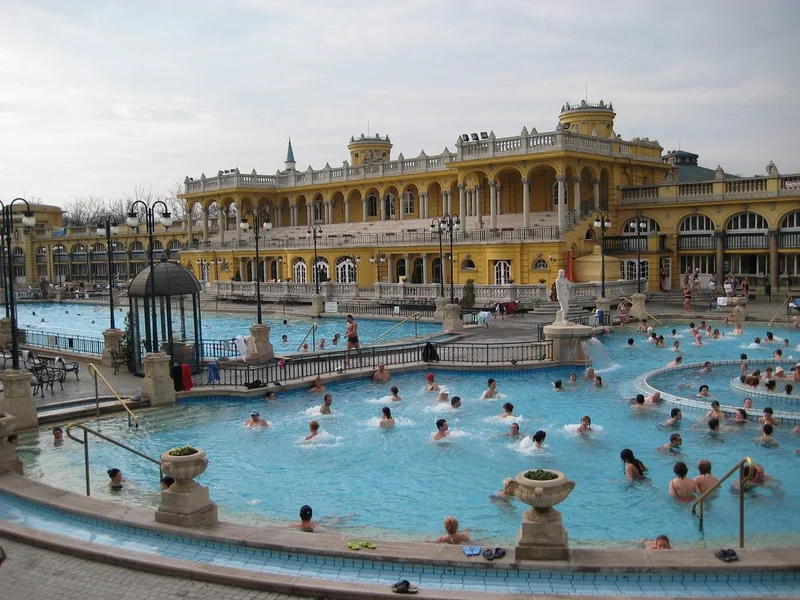
A Budapest bath is a spa. You pay for a day ticket, rent a locker, and move between thermal pools at different temperatures, saunas and, at Széchenyi, large outdoor pools that stay open in winter. Nobody washes you. You bring a swimsuit, flip-flops and a towel, because towel hire has largely stopped and buying one at the desk is expensive. People spend two or three hours, and many locals play chess on floating boards in the outdoor pool.
An Istanbul hammam is a wash. You lie on a heated marble platform under a dome, an attendant scrubs you with a rough mitt and then covers you in soap foam, and you finish in a rest room with tea. There is usually no swimming pool at all. The historic hammams near the Old City were designed by the architect Sinan: the Hürrem Sultan Hamamı opposite Hagia Sophia dates from 1556, and the Çemberlitaş Hamamı from 1584. Our guide to the Turkish bath in Istanbul covers what to wear and what happens step by step.
The Ottoman bath you can visit in Budapest
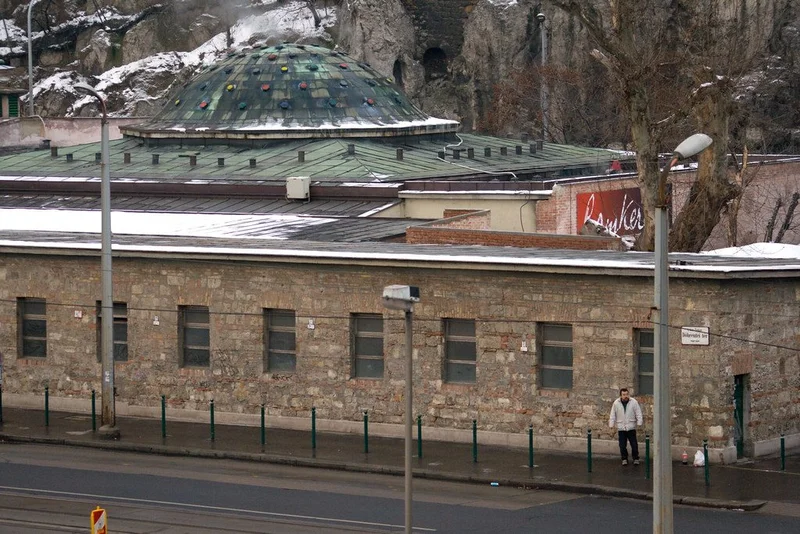
The Rudas Baths sit at the foot of Gellért Hill on the Buda bank. Sokollu Mustafa Pasha, the Ottoman governor of Buda and a nephew of the grand vizier Sokollu Mehmed Pasha, built the domed pool hall between 1566 and 1572. The octagonal pool under a 10-metre dome with small glass openings is the same type of space you see in Istanbul's hammams, and it has been in use since the sixteenth century. If you have done both a Budapest spa and an Istanbul hammam, Rudas is the place where the two traditions meet.
Is Budapest cheaper than Istanbul?
For most visitors, no: Istanbul is cheaper for daily spending, and Budapest is cheaper for paid sights. Restaurant meals, taxis and public transport cost less in Istanbul, and the range of mid-range hotels is much wider. In Budapest a few major tickets cover the trip, while in Istanbul you will pay for several museums in two days.
Some reference points:
- Public transport. An Istanbulkart ride costs 46.20 TL from 20 July 2026, and the card works on trams, metro, funicular and city ferries. In Budapest a single ticket costs 500 HUF, and a 72-hour travel card is the better buy for a short stay.
- Bathing. A Széchenyi weekday ticket is 13,200 HUF before towel and cabin extras. A full hammam session in Istanbul costs more at the historic Sinan baths and less at neighbourhood ones; prices are set by each hammam, so ask before you book.
- Alcohol. Budapest is clearly cheaper for wine and beer. In Istanbul taxes push drink prices up, especially in Sultanahmet and on dinner cruises.
- Hotels. Both cities have good-value rooms outside the main tourist streets. Istanbul's are spread over a much larger area, so check the tram line before you book.
If you want one guided day to cover the paid Istanbul sights efficiently, our Istanbul classic private tour costs from $200 for the guide and covers Hagia Sophia, Topkapı and the Grand Bazaar, with museum tickets paid separately. Prices change with the season, the hotel and what a package includes, so write to us for a current quote.
The Danube vs the Bosphorus
Both cities are defined by water, but the water does different jobs. The Danube in Budapest is a river you walk beside. The best views are free: from the Chain Bridge at dusk, from the Buda embankment towards the Parliament, and from Gellért Hill. Evening river cruises run for an hour or so between the bridges.
The Bosphorus in Istanbul is a 31-kilometre strait between two continents, busy with tankers, ferries and fishing boats. A cruise here goes past Ottoman palaces, wooden waterside mansions and two fortresses, and the public ferry across to Üsküdar or Kadıköy is part of daily life rather than a tourist product. Our Bosphorus lunch cruise takes three hours, includes hotel pick-up, a licensed guide and lunch on board, and starts at $75 per person; drinks with lunch are extra. To compare it with the ferry, a dinner boat or a private yacht, read our guide to which Bosphorus cruise to book.

Food and nightlife
Budapest food is heavy and comforting: goulash, chicken paprikash, lángos fried bread with sour cream, chimney cake and good, inexpensive Hungarian wine from Tokaj, Eger and Villány. The Great Market Hall is the place to taste several of these in one stop.
Istanbul has the larger kitchen. Breakfast alone is a spread of cheeses, olives, eggs and simit; lunch can be a lokanta with daily stews, and dinner a meyhane with meze and fish. Street food is everywhere, from grilled fish sandwiches at Eminönü to wet burgers in Taksim. Halal food is the default, which matters to many of our Gulf and South Asian guests.
Nightlife is Budapest's strong point. The ruin bars of the Jewish Quarter, in half-derelict courtyards, are open late and cheap by Western European standards. Istanbul's nights are more about long dinners, rooftop bars in Beyoğlu and Karaköy, and the Bosphorus after dark. For something cultural, the whirling dervish ceremony is an hour long; our whirling dervish show ticket costs from $60 with reserved seating.
Best time to visit Istanbul or Budapest
Spring and autumn are best in both cities: April to early June and September to October. Budapest's continental summer is hot, and its winter is colder and drier than Istanbul's, with frequent days below freezing in January.
Winter is where Budapest has a clear advantage. The Christmas markets at Vörösmarty tér and around St Stephen's Basilica usually run from mid-November to the end of December, with free entry, and an outdoor thermal pool in the snow is a very Budapest experience. Istanbul in winter is grey and wet, but most of its main sights are indoors, and the Old City is at its quietest from January to early March.
Summer is crowded in both. Istanbul gets the cruise ships at Galataport and the Bosphorus breeze; Budapest gets festivals, including Sziget on an island in the Danube in August.
Visiting both: Istanbul and Budapest in one trip
A direct flight between the two cities takes about two hours. Turkish Airlines and Wizz Air fly from Istanbul Airport, and Pegasus and AJet from Sabiha Gökçen on the Asian side, so check which airport your ticket uses before you book a hotel transfer.
A seven-night plan that works well:
- Budapest, day one: Castle Hill, Matthias Church, the Fisherman's Bastion, and the Danube at dusk.
- Budapest, day two: the Parliament tour in the morning, the Great Market Hall, and an afternoon at Széchenyi or Rudas.
- Budapest, day three (optional): Szentendre or the Danube Bend, or a slow morning and a flight.
- Istanbul, days one and two: Hagia Sophia, the Blue Mosque, the Basilica Cistern, Topkapı and the Grand Bazaar.
- Istanbul, day three: a Bosphorus cruise and Dolmabahçe Palace.
- Istanbul, day four: Galata and Karaköy, or the ferry to Kadıköy on the Asian side.
For the Istanbul half, our Istanbul city tour package of 4 days starts at $250 per person and includes airport transfers, a full-day Old City tour with entrance tickets and lunch, and a Bosphorus cruise; hotels can be added. You can see all our other day tours on the Istanbul tours page, and the Istanbul destination guide covers neighbourhoods and practical basics.
Istanbul vs Budapest: which should you choose?
Choose Budapest if:
- You have two or three nights and want a compact city you can walk.
- Thermal spas, Art Nouveau buildings and nightlife are the main reasons for the trip.
- You are travelling in December for the Christmas markets.
Choose Istanbul if:
- You have four nights or more and want history from Byzantium to the Ottomans.
- Food is a priority, including halal food.
- You want to continue to Cappadocia or the Aegean coast; our comparison of Istanbul vs Rome shows how the Byzantine half of the story plays out against the Roman one.
If Ottoman history is your interest, visit both: Topkapı Palace in Istanbul was the seat of the sultans who ruled Buda for almost 150 years.
Travelling from abroad: visas for Türkiye and Hungary
Hungary is in the Schengen area and Türkiye is not, so this trip crosses one Schengen border. We checked these rules on 4 October 2026; confirm with official sources before you book.
- United States, United Kingdom, Canada and Australia. Ordinary passport holders can visit Türkiye without a visa for up to 90 days in any 180, according to the Turkish Ministry of Foreign Affairs. Hungary allows the same passports 90 days in 180 without a visa under Schengen rules. Days in Türkiye do not count towards the Schengen limit.
- India and Pakistan. A Schengen visa is needed for Hungary and a visa for Türkiye. Indian holders of a valid Schengen, US or UK visa can usually apply for the Turkish e-Visa online, so get the Schengen visa first.
- Saudi Arabia. Saudi ordinary passport holders are visa-exempt in Türkiye for up to 90 days within six months but need a Schengen visa for Hungary.
- Schengen border registration. The EU's Entry/Exit System records non-EU visitors' fingerprints and photo at the first Schengen border, so allow extra time at Budapest airport.
Frequently Asked Questions
Is Istanbul or Budapest better for a weekend?
Budapest is better for a two-night weekend because the centre is compact and the main sights, baths and bars are close together. Istanbul needs about four days to see the Old City, the Bosphorus and one more neighbourhood without rushing.
Is Budapest cheaper than Istanbul?
Budapest is cheaper for paid sights and for alcohol, while Istanbul is cheaper for restaurant meals, taxis, public transport and the range of mid-range hotels. Over a four-day trip, most visitors spend less per day in Istanbul but pay more in museum tickets.
Does Budapest have Turkish baths?
Yes. The Rudas Baths were built by the Ottoman governor Sokollu Mustafa Pasha between 1566 and 1572 and still use the original domed pool hall. Budapest's baths work as thermal spas, though, without the scrub and foam wash of an Istanbul hammam.
How long is the flight from Istanbul to Budapest?
A direct flight takes about two hours. Turkish Airlines and Wizz Air fly from Istanbul Airport, and Pegasus and AJet from Sabiha Gökçen.
How many days do you need in Budapest and Istanbul?
Two to three days covers Budapest's main sights and a bath. Istanbul needs four days for the Old City, the Bosphorus, Galata and the Asian side. A week split three nights in Budapest and four in Istanbul works well.
Which city has more to see, Istanbul or Budapest?
Istanbul has more major sights and a far larger area, from Byzantine churches and Ottoman palaces to two continents and the Bosphorus. Budapest has fewer headline sights but more spa culture, and it is easier to see well in a short stay.
Written by the Get Istanbul Tours team: licensed local guides and trip planners based in Istanbul.
Leave a Comment
Private tours in Istanbul
Classic Istanbul Full-Day Private Tour: Byzantine & Ottoman
Istanbul's great Byzantine and Ottoman landmarks in one private day, from Topkapi Palace and Hagia Sophia to the Grand Bazaar.
Bosphorus Lunch Cruise, Lunch Included & Hotel Pick-up
A relaxed Bosphorus cruise between Europe and Asia with lunch served on board, a guide and hotel pick-up and drop-off.
Related articles
 Itineraries
Turkey Honeymoon Itinerary 7 Days: Istanbul and Cappadocia for 2027
A day-by-day 7-day Turkey honeymoon: three nights in Istanbul, three in Cappadocia, balloon with backup mornings, two variants and a budget for two.
Read More Itineraries
Istanbul and Cappadocia Itinerary 4 Days (2027): Hour-by-Hour Plan and Costs
Two days in Istanbul, two in Cappadocia, one flight each way: an hour-by-hour 4-day plan with three route variants, a balloon backup and our real prices.
Read More Where to Stay
 in Istanbul with Kids (2027): 7 Family Areas Ranked, with Tour Pickup Notes
Sultanahmet for a first family trip, Beşiktaş or Nişantaşı for longer stays: seven Istanbul areas ranked for strollers, quiet nights, parks and tour pickup.
Read More